





June: Welcoming the First Showers
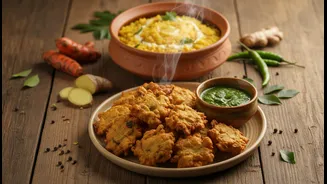
As the summer heat finally breaks, June ushers in the first delightful showers and a fresh wave of produce and cravings. This is the month when the craving for something hot and fried becomes almost irresistible. The undisputed king is the pakora, or bhajiya.
Whether it's made with onion, potato, or spinach, these gram-flour fritters are the perfect companion to a steaming cup of masala chai. Beyond this classic pairing, look for the arrival of the first corn on the cob, or bhutta. Often roasted over coals by street vendors and slathered with lemon, salt, and chilli, it's a smoky, tangy snack that defines the start of the season. Fruits like litchi and early plums also make their appearance, offering a sweet and juicy contrast to the spicy snacks.
July: The Heart of the Monsoon
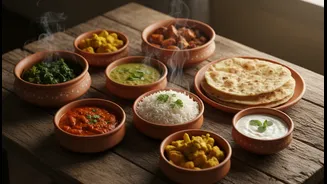
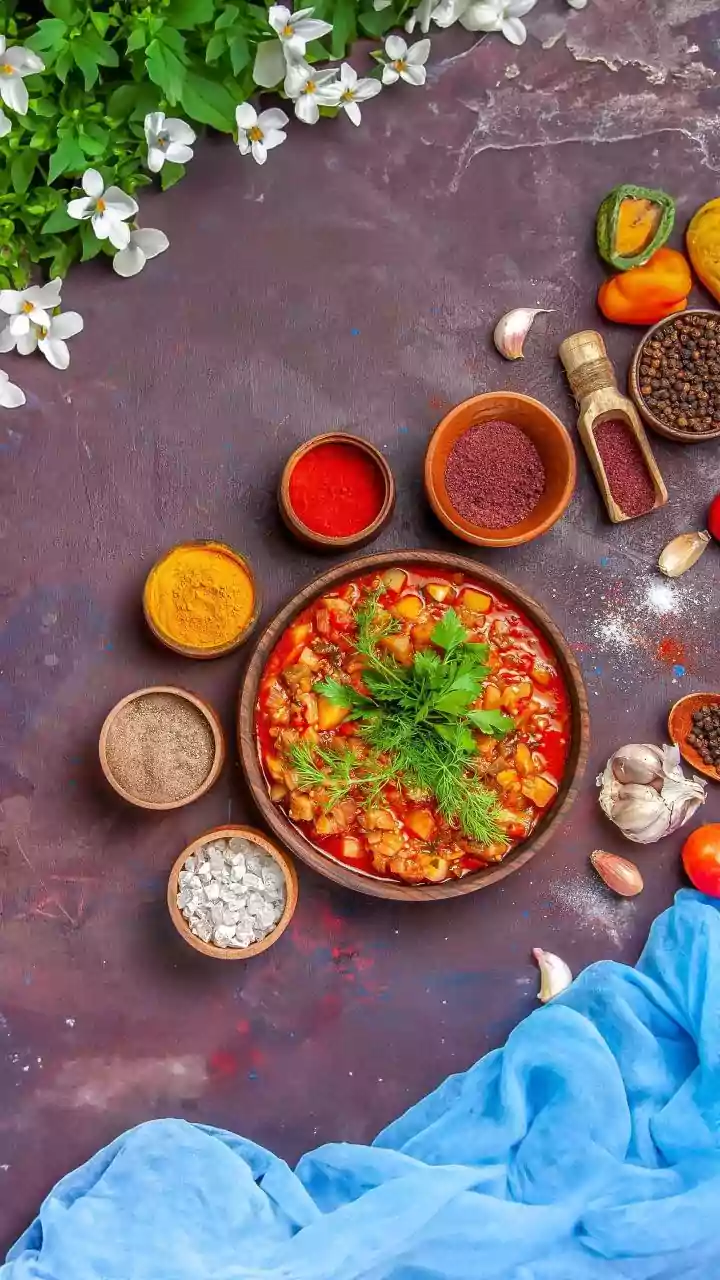
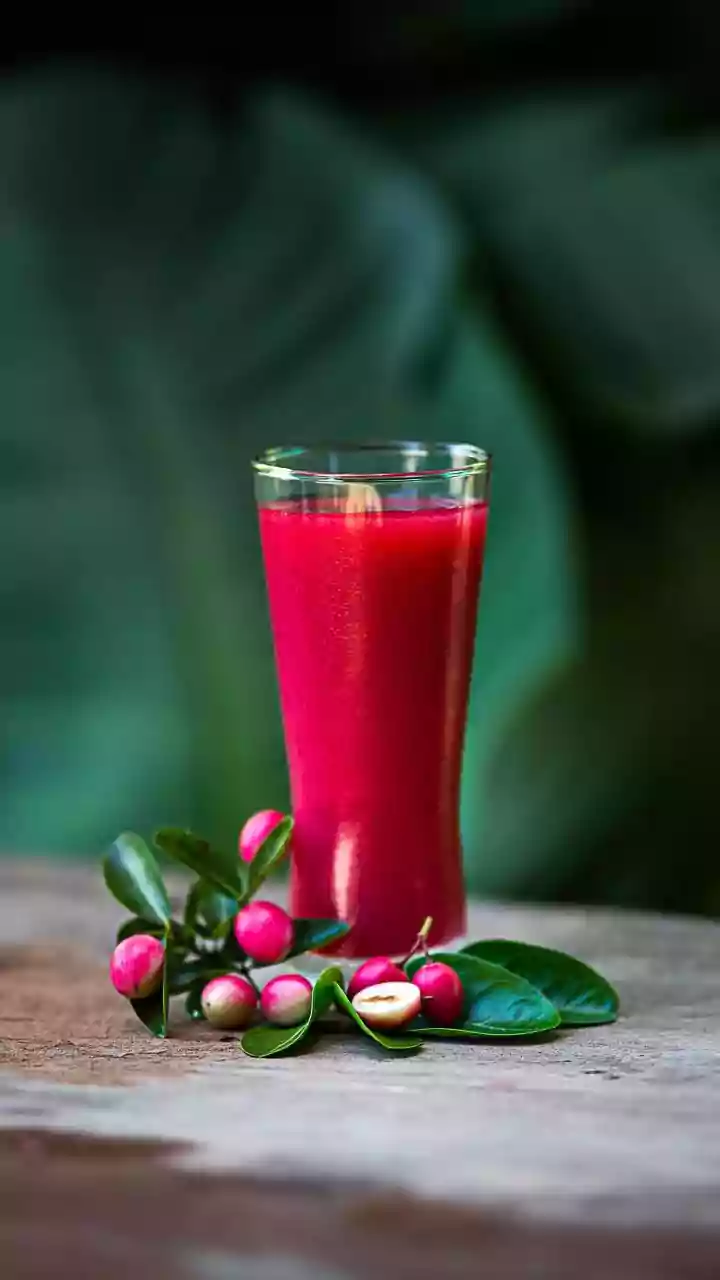
July brings heavier, more consistent rains, and our kitchens turn towards comforting, nourishing meals. This is the peak season for a variety of gourds—lauki (bottle gourd), turai (ridge gourd), and parwal (pointed gourd) are abundant and find their way into light, flavourful curries. Hot soups become a staple, not just for their warmth but also for their ability to ward off seasonal sniffles. Simple, home-cooked soups made from tomato, spinach, or mixed vegetables are both easy to digest and packed with nutrients. For a complete, one-pot meal, nothing beats khichdi. This comforting mix of rice and lentils, often tempered with ghee and simple spices, is the culinary equivalent of a warm hug. The star fruit of this month is undoubtedly the Jamun (Indian blackberry), with its unique sweet-tart flavour.
August: Peak Rains and Festive Feasts
August often sees the monsoon at its most intense, and the food follows suit with a mix of robust flavours and healthy choices. It’s a great time to enjoy steamed snacks like dhokla and idli, which are light on the stomach. For those looking for a more indulgent meal, pav bhaji is a fantastic option—a spicy mash of vegetables served with soft, buttered bread rolls. Root vegetables like beetroot and leafy greens (that have been washed thoroughly) are in good supply. In many parts of India, August also brings festivals like Raksha Bandhan and Teej, which come with their own special sweets. Ghewar, a disc-shaped Rajasthani sweet made from flour and soaked in syrup, is a seasonal delicacy particularly associated with this time.
September: A Season of Transition
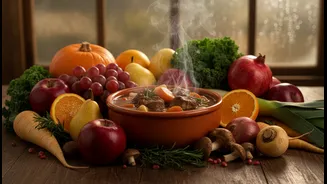
As the monsoon begins its retreat, the culinary landscape starts to shift. The air is still moist, but the intensity of the rain lessens. This is an excellent time for fruits like peaches, pears, and pomegranates. Vegetables like cucumber and tomato, which thrive in this late-monsoon period, are perfect for making light curries and warm salads. It's also a great time to enjoy corn in different forms, such as in a warm corn chaat or as corn pakoras. As we bid farewell to the heavy rains, many households prepare comforting dishes like aloo tikki chaat or moong dal chilla, a savoury pancake that is both nutritious and delicious.
The All-Season Monsoon Champions
Some foods aren't confined to a single month; they are celebrated throughout the entire rainy season. Masala chai, spiced with ginger and cardamom, is the official beverage of the monsoon, enjoyed from the first rains to the last. Samosas, with their crispy pastry and spicy potato filling, are another pan-India favourite that tastes even better when it's pouring outside. In the north, chole bhature offers a hearty, indulgent meal perfect for a lazy, rainy Sunday. And in the south, the satisfying crunch of a Medu Vada or a Parippu Vada, both lentil-based fritters, provides the perfect accompaniment to the rhythmic sound of the rain. These are the tastes and smells that truly complete the monsoon experience, reminding us of the deep connection between season, celebration, and food.