



Why the Renewed Focus on Protein?
India's push for better nutrition, spearheaded by programs like Mission Poshan 2.0, aims to tackle widespread dietary gaps. A significant concern is protein deficiency. Surveys have indicated that a large portion of the population, with some estimates
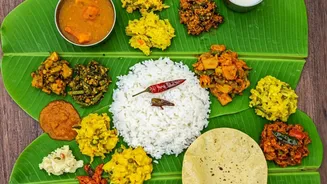
as high as 73%, may not be consuming enough protein. This is often due to diets that are heavy on carbohydrates like rice and roti, with protein sources serving as small accompaniments rather than main components. Furthermore, a lack of awareness is a major hurdle; many people don't know their daily protein requirements, leading to a silent nutritional gap that affects energy levels, muscle health, and overall immunity.
How Much Protein Do You Actually Need?
Forget complicated calculations. The Indian Council of Medical Research (ICMR) provides a straightforward guideline. For a healthy but largely sedentary adult, the recommendation is 0.83 grams of protein per kilogram of body weight daily. This means a person weighing 60 kg needs about 50 grams of protein, while a 70 kg person needs around 58 grams. This requirement can increase for those with active lifestyles, pregnant and lactating women, and older adults who need more protein to prevent age-related muscle loss. The key isn't to obsess over numbers but to understand that a small bowl of dal with a large portion of rice might not be enough to meet this daily goal.
Power-Up Your Plate: Vegetarian Protein Stars
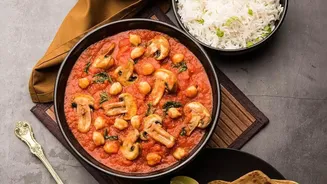
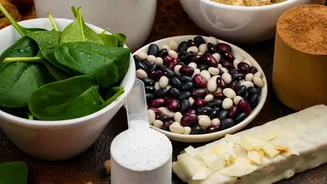
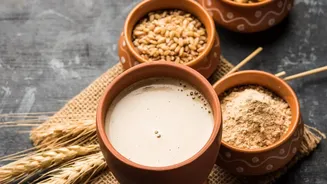
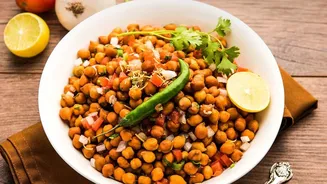
For a majority of Indians, vegetarian sources are the primary protein providers. The good news is that Indian kitchens are already stocked with affordable, protein-rich options. Lentils (dal), chickpeas (chana), and kidney beans (rajma) are staples for a reason. A simple way to boost intake is to make your dal thicker and increase the portion size relative to rice or roti. Paneer is another excellent source, providing around 18 grams of protein per 100g serving. Don't overlook soya chunks, one of the most potent plant-based proteins available, or humble sattu, which can be made into a drink or used in parathas. Curd (dahi), especially hung curd or Greek yogurt, is another easy addition to any meal, doubling the protein of regular curd.
Lean and Mean: Non-Vegetarian Choices
For those who eat non-vegetarian food, eggs are an affordable and high-quality protein source, with a single egg providing about 6 grams of protein. Chicken breast is a lean option packed with protein, offering around 25 grams per 100g portion. Fish provides not only protein but also healthy omega-3 fatty acids. The method of preparation matters; opting for grilled, baked, or lightly pan-fried options over deep-fried preparations helps keep the meal healthy and focused on delivering quality nutrients.
Simple Swaps for a Protein-Rich Day
Incorporating more protein doesn't require a complete dietary overhaul. It's about making small, intelligent swaps throughout the day. Instead of a biscuit or namkeen for a snack, try a handful of roasted chana or peanuts. At breakfast, add a side of sprouts to your poha or upma, or consider having a moong dal chila. You can also fortify your regular meals. Adding a tablespoon of pumpkin or sunflower seeds to your sabzi, salad, or even roti dough is an effortless way to increase protein content. Think of these as upgrades: you're enhancing the food you already enjoy, not replacing it with something unfamiliar.