



A New Mandate for Faster Service
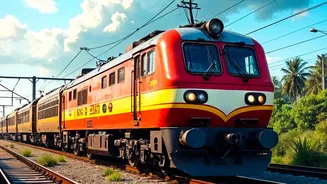
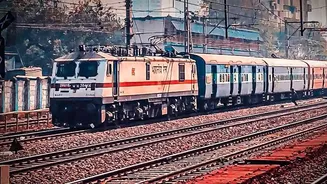
The Railway Board has officially directed all of its zonal railways to implement a system that ensures passenger grievances on moving trains are addressed and resolved within a 120-minute window. This directive is a significant move aimed at enhancing
the travel experience and holding railway staff accountable for service quality in real-time. The goal is to move away from a system where complaints are noted down for later action and instead adopt a model of immediate intervention and resolution. This applies to a wide range of issues that can disrupt a passenger's journey, making train travel smoother and more comfortable.
How the System Will Work
So, how will this work in practice? The primary tool for passengers will be the existing 'Rail Madad' portal and mobile application. When a passenger lodges a complaint through this digital channel, it will be instantly flagged and assigned to the relevant onboard staff. For most trains, this responsibility will fall to the Travelling Ticket Examiner (TTE), who will act as the primary point person. They will then be required to coordinate with the specific department responsible for the issue, whether it's the electrical team for a faulty fan or the housekeeping staff for an unclean toilet. The two-hour clock starts ticking the moment the complaint is registered, creating a clear timeline for action.
What Kind of Complaints Are Covered?
This two-hour target is specifically for onboard service-related issues that can be realistically fixed on a running train. This includes common problems such as malfunctioning air conditioning, non-functional charging sockets, lack of water in toilets, cleanliness issues in coaches and lavatories, and problems related to catering services. However, it is important for passengers to have realistic expectations. Major technical faults, such as a problem with the train's engine or a significant mechanical failure in a coach, are not expected to be resolved within this timeframe as they often require specialized equipment and personnel at a major station.
The Human Element and Special Services
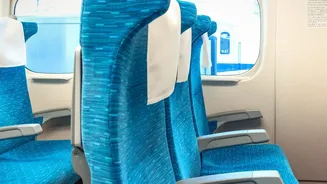
To ensure this system is effective, Indian Railways is empowering its onboard staff to be more proactive. In premium services like the Vande Bharat Express, the railway is appointing dedicated 'service captains'. These individuals will have a specific mandate to oversee passenger comfort and manage grievance redressal, acting as a single point of contact for all non-technical issues. This structure aims to streamline communication and ensure someone is directly responsible for seeing a complaint through to its resolution. This focus on a clear chain of command is crucial for meeting the ambitious two-hour deadline.
Challenges and Cautious Optimism
While the initiative has been widely welcomed by passenger associations, there is a degree of skepticism based on past experiences. Success will hinge entirely on execution. Railway officials themselves acknowledge potential hurdles, such as ensuring seamless coordination between different departments (mechanical, electrical, catering) on a fast-moving train and having the necessary tools and spare parts readily available. For instance, fixing an AC unit might require a technician who may only be available at the next major halt. Passenger groups have emphasized that for the policy to be effective, there must be clear accountability and consequences if the two-hour window is frequently missed.