






From Manual Labour to Automated Partner
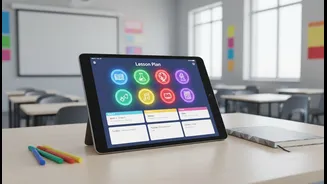
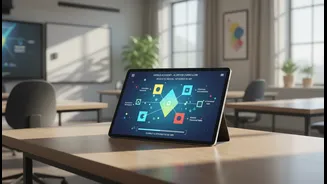
Lesson planning has long been one of the most time-consuming parts of a teacher's job, involving everything from outlining objectives to creating materials and assessments. Today, AI tools are stepping in as sophisticated assistants. Platforms like MagicSchool
AI, Canva for Education, and Lessonsquill can generate structured lesson frameworks, including objectives, activities, and evaluation ideas, in minutes. Teachers simply input the subject, grade, and topic, and receive a customizable starting point. This allows them to move from a blank page to a refined draft, focusing their expertise on adaptation rather than repetitive creation.
Reclaiming Time for What Matters Most
The most immediate benefit of AI in lesson preparation is the immense time saved. Many administrative tasks that bog teachers down, such as formatting documents, finding relevant videos or articles, and aligning lessons to curriculum standards, can now be automated. Reports suggest this automation can save educators hours each week, a significant gain in a profession where many work unpaid overtime on such tasks. This reclaimed time is not about working less; it's about shifting focus from paperwork to the human elements of teaching: direct student interaction, mentoring, and addressing individual learning needs.
A New Era of Personalised Learning
Beyond mere efficiency, AI is unlocking new possibilities for personalizing education. A major challenge for teachers in large classrooms is creating differentiated instruction for students with diverse learning styles and abilities. AI tools can analyze student data and suggest multiple pathways through the same topic, generating varied materials like interactive games, visual diagrams, or specific reading assignments. This allows educators to cater to individual needs at a scale that was previously impossible, making learning more inclusive and effective for everyone in the classroom.
Navigating the Challenges and Concerns
Despite the promise, the integration of AI is not without its hurdles. Key concerns include the risk of over-reliance on technology, which could potentially weaken teachers' pedagogical judgment and students' critical thinking skills. There are also valid questions about the accuracy and potential bias of AI-generated content, and the digital divide that may limit access for schools in underserved areas. Educators must act as critical curators, carefully reviewing and adapting AI outputs to ensure they are factually correct, culturally appropriate, and truly serve the learning objectives, rather than simply accepting them at face value.
The Road Ahead for Indian Education
In India, the push for AI in education is supported by initiatives like the National Education Policy (NEP) 2020, which emphasizes technology integration. With the CBSE set to make AI a compulsory subject for younger grades, the groundwork for a tech-infused educational ecosystem is being laid. The potential to use AI to bridge gaps in remote areas and support a shortage of qualified teachers is significant. However, success will depend on building a holistic system that includes teacher training, ethical guidelines for data privacy, and robust infrastructure to ensure equitable access across the country.