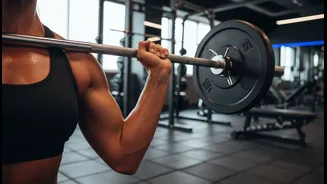


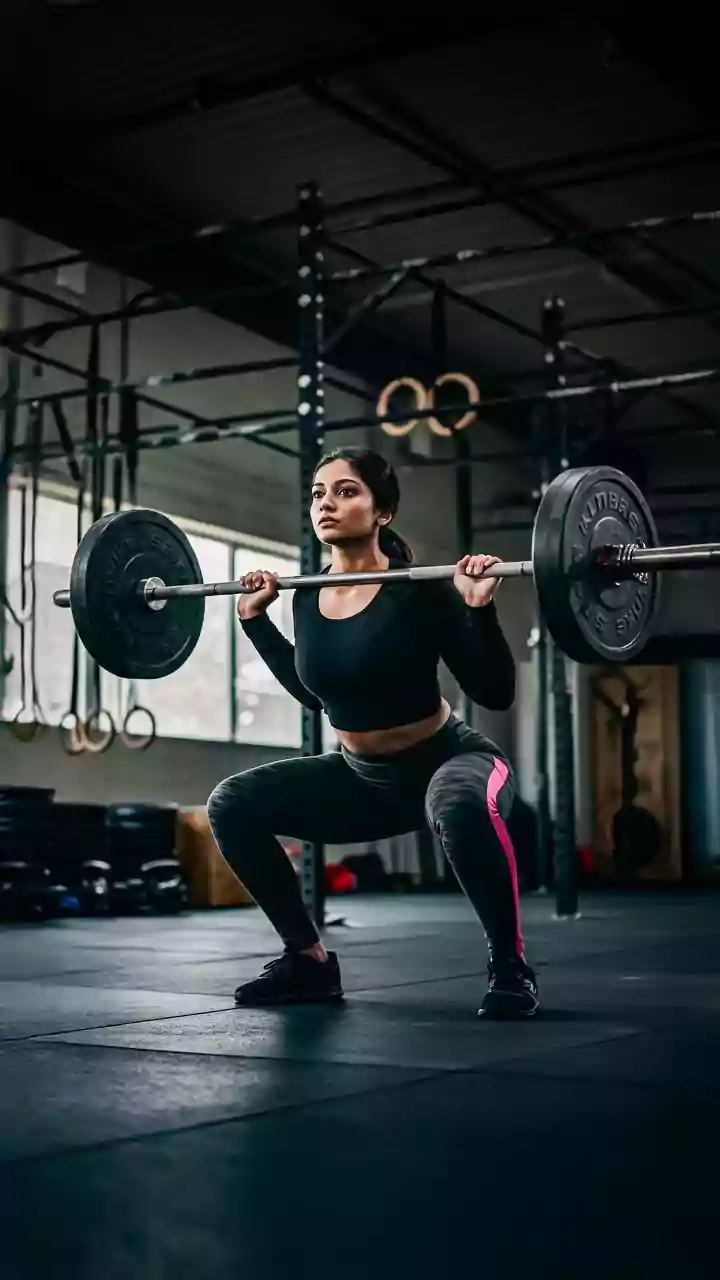





What is Functional Strength Training?
Forget isolating tiny muscles with endless curls. Functional strength training is about teaching your body to move as one cohesive unit, preparing you for tasks you perform every day. Think about lifting a heavy suitcase, carrying groceries, or getting
up from a low chair. This approach uses compound exercises—movements that engage multiple muscle groups and joints at once, like squats, lunges, and push-ups. The goal isn't just to be strong in the gym; it's to build practical strength that makes your daily life easier and safer. Instead of focusing only on how much weight you can lift, a functional coach prioritizes how well you move, correcting imbalances and improving coordination.
Why It's a Game-Changer for Squats
The squat is a fundamental human movement, but doing it incorrectly under load is a fast track to knee or lower back pain. Functional coaching tackles this by building your squat from the ground up. A coach will first assess your movement patterns to identify weaknesses, like poor ankle mobility or weak glutes, which often cause common squat mistakes. The training then focuses on strengthening these weak links. Before you even touch a heavy barbell, you'll work on drills that improve stability, mobility, and core control. This 'form first, load later' philosophy ensures your joints and muscles are prepared to handle the stress of squatting, significantly reducing your risk of injury.
Anatomy of a Safe Squat
A perfect squat isn't just about bending your knees. It's a coordinated effort. Your core must be braced to protect your spine. Your hips, not your knees, should initiate the movement as you sit back. Your knees should track in line with your feet, not cave inwards—a common mistake called knee valgus. And your weight should be distributed evenly across your feet, not tipping onto your toes. A functional coach teaches you to feel these components working together. They might use cues like "screw your feet into the ground" to activate your hips or use resistance bands to help you learn to push your knees out. This builds the muscle memory needed for a safe and effective squat.
Exercises That Build a Better Squat
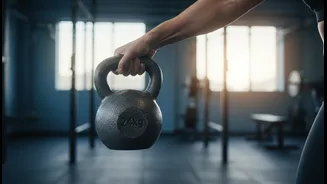
To execute a perfect squat, you need more than just strong legs. Functional training incorporates exercises that support the entire movement. Goblet squats, where you hold a light weight at your chest, are a fantastic teaching tool because the weight acts as a counterbalance, helping you keep your torso upright. Planks and bird-dogs build the core stability needed to keep your back safe. Glute bridges activate your glutes, the primary driver for standing up out of the squat. And mobility drills for your hips and ankles will help you achieve a deeper, more comfortable squat without compromising form. A coach will tailor these exercises to your specific needs, ensuring you progress at a safe pace.
Finding the Right Coach in India
As fitness culture grows in India, so does the number of coaches. When looking for a functional strength coach, prioritize qualifications over social media followers. Look for trainers with certifications from recognized bodies like the National Academy of Sports Medicine (NASM) or who have a background in kinesiology or exercise science. Many platforms now exist to find verified trainers across major Indian cities, offering both online and in-person sessions. A good coach will conduct a thorough initial assessment, ask about your goals and injury history, and be able to explain the 'why' behind their programming. They should focus on your movement quality and progress, not just on lifting heavier weights.