







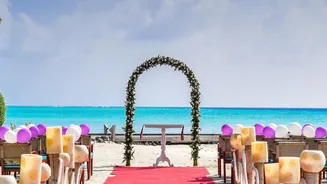
12-18 Months Out: The Big Decisions
The ideal time to start planning your destination wedding is 12 to 18 months in advance. This is the foundational stage where you make the biggest decisions that will influence everything else. Your first steps should be to set a budget, draft a preliminary
guest list, and choose your destination. Popular venues, especially for peak season dates, can book out more than a year ahead, so securing your location and wedding date is a top priority. Many experts recommend hiring a wedding planner who specializes in your chosen destination during this window. Their local knowledge can be invaluable in navigating contracts and vendor relationships from afar. Once the venue is booked, you have the cornerstone for all subsequent planning.
9-12 Months Out: Lock in Vendors and Inform Guests
With your venue secured, it's time to assemble your core team. High-demand vendors like photographers, videographers, and caterers should be booked around the 12-month mark, as the best ones are often reserved far in advance. This is also the perfect window to send out your save-the-dates. For a destination wedding, giving guests 9 to 12 months' notice is crucial. This allows them ample time to arrange time off work, save money, and make necessary travel preparations like renewing passports. Your save-the-date should include your names, the wedding date, the location, and a link to your wedding website where guests can find more detailed information as it becomes available.
6-8 Months Out: Guest Logistics and Accommodations
This period is focused on the guest experience. It's time to reserve a block of rooms at a hotel (or hotels) near your venue to offer guests a convenient and often discounted accommodation option. Once you have those details, you can send out your formal invitations. Sending these earlier than for a local wedding—around 6 months out—is recommended. Your invitations should clearly state the RSVP deadline and direct guests to your wedding website for booking information and a detailed itinerary. This helps guests understand the flow of events and plan their travel accordingly.
4-6 Months Out: The Guest Booking Window
Encouraging your guests to book their travel within this timeframe is a strategic move. For international flights, booking around six months in advance often hits a sweet spot for pricing and availability. While airlines typically only release schedules about 11 months out, waiting until 4-6 months before the wedding gives guests firm plans to act on. Communicate a 'book by' date clearly on your website, ideally about 90 days after invitations are sent. This creates a sense of urgency and helps you avoid issues with room blocks, which often have a release date 60 to 90 days before the wedding. Guests who book later risk paying higher fares and missing out on group rates.
1-3 Months Out: Finalizing the Details
As the wedding approaches, your focus will shift to finalizing every last detail. Your RSVP deadline should be set for around 4-5 months before the wedding to give you a firm headcount for your vendors. This is a crucial step for caterers and for finalizing your rooming list. Use this time to follow up with any guests who haven't responded and confirm all bookings with your vendors, from the florist to the DJ. It's also wise to send a final travel reminder to your guests with arrival logistics, welcome event details, and any last-minute information they might need.