

Beyond the 'Place for Everything' Mantra
We’ve all heard the classic organising advice: “a place for everything, and everything in its place.” While the sentiment is correct, it's incomplete. In a small home, just having a place isn't enough. If the 'place' is an oversized basket that becomes
a dumping ground or a shelf where items get lost at the back, the system fails. The real breakthrough comes from precision. This means the place must be the right size and in the right location, transforming it from a mere spot into an intentional home for your belongings. This approach stops you from playing hide-and-seek with your own things and makes tidying up an automatic, thoughtless process.
Start With a Measuring Tape, Not a Shopping Cart
The most common mistake in home organisation is buying storage containers first. This often leads to owning a collection of bins and boxes that don’t quite fit the space or the items they are meant to hold. Before you buy anything, your first tool should be a measuring tape. Measure the internal dimensions of your cupboards, the height between shelves, the depth of your drawers, and the floor space under your bed. Write these numbers down. Knowing the exact volume you have to work with—length, width, and height—is the first step to creating a system that truly maximises every square centimetre.
The Art of 'Zoning' Your Home
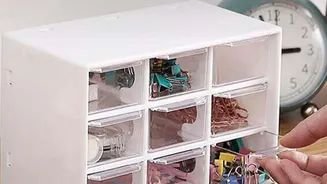
Once you have your measurements, think about how you use your space. Instead of scattering related items, create 'zones'. This means grouping all your tea and coffee supplies in one kitchen cupboard, all your electronic chargers and cables in one designated drawer, and all your cleaning supplies under one sink. This concept, often used in professional organising, makes life more efficient. When every item has a logical zone, your brain doesn't have to work hard to figure out where something goes. This makes you far more likely to put things away immediately, preventing clutter from building up on surfaces.
Choose Containers That Fit the Space, Not Just the Stuff
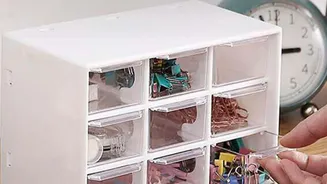
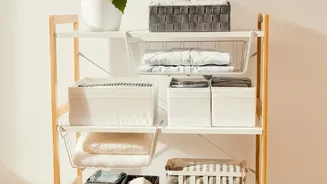
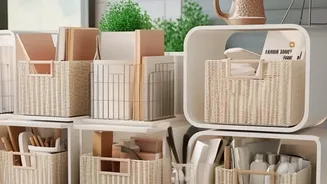
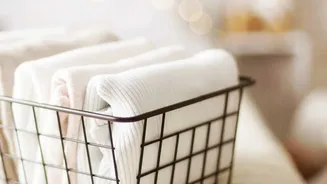
Now, with your measurements and zones in hand, you can finally shop for containers. Look for solutions that fit the space you’ve measured. Prioritise stackable, modular containers to take advantage of vertical height. Clear bins are excellent for seeing contents at a glance, while uniform, opaque boxes with clear labels can create a serene, uncluttered look. The goal is to fill the measured space efficiently, leaving minimal wasted air. For example, instead of one large, deep bin on a shelf, consider two smaller, stackable ones that allow you to access items without unstacking everything.
Think Vertically and Use Hidden Spaces
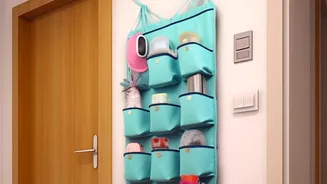
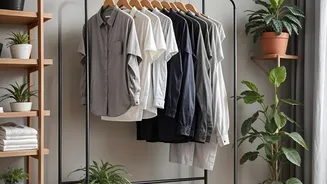
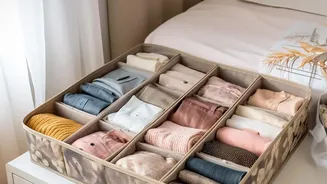
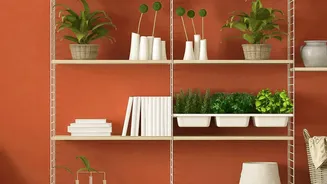
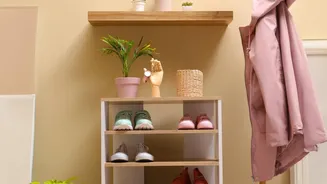
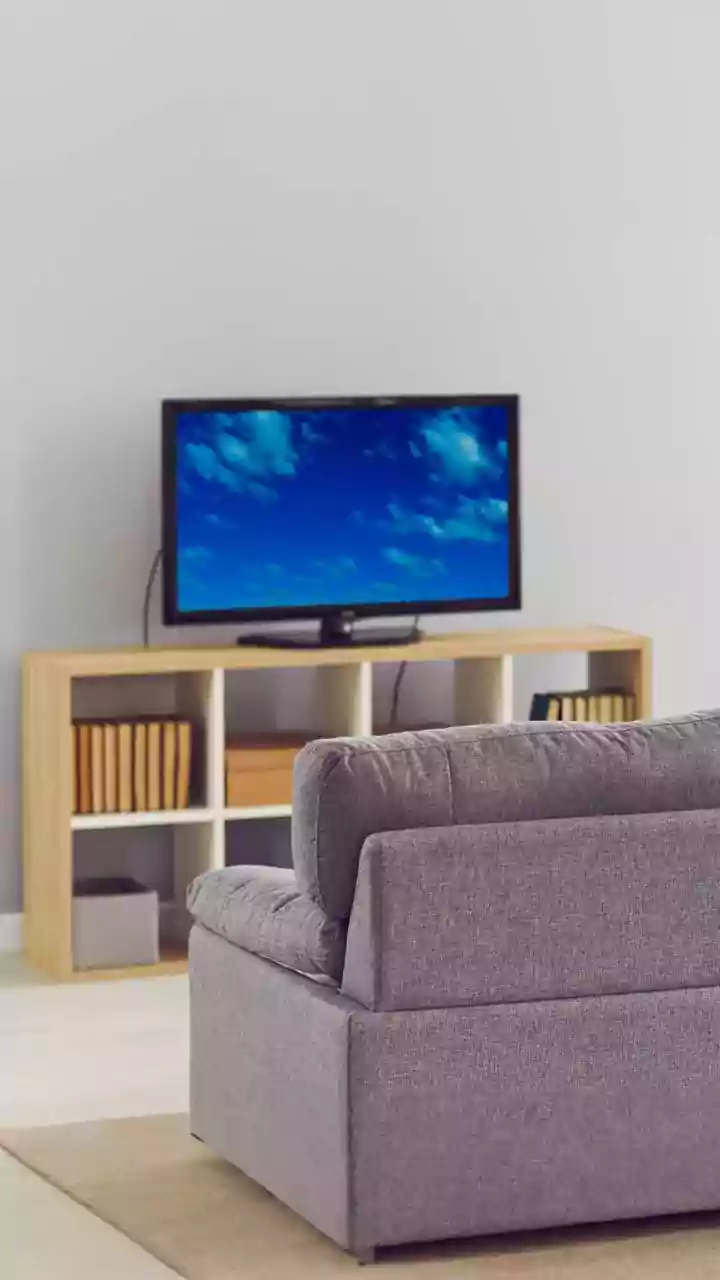
In small homes, vertical space is your most valuable and underutilised asset. Don't just think about floor space; look up. Installing floating shelves above a desk or using tall, narrow bookshelves can dramatically increase your storage capacity without cramping the room. Likewise, think about hidden opportunities. The space over your kitchen cabinets can hold rarely used items in decorative baskets. The back of a door can be fitted with hanging organisers for shoes or toiletries. Under-bed storage containers with wheels are perfect for seasonal clothing or extra linens. Maximising these areas gets clutter off the floor and out of sight.
Maintain Your System With a Simple Rule
Creating an organised space is a fantastic achievement, but maintaining it is the real challenge. The best-measured system will fail if you constantly add more items without taking anything away. Adopt the 'one-in, one-out' rule. Every time you bring a new item into your home—be it a book, a piece of clothing, or a kitchen gadget—an old one must go. This could mean selling, donating, or discarding it. This simple habit prevents the slow creep of clutter and ensures that your carefully measured places don't become overstuffed. It shifts your mindset from accumulation to curation, ensuring your home remains a calm and functional sanctuary.