



Taking your first solo trip is a thrilling mix of freedom and jitters. You're the master of your own itinerary, but also solely responsible for your journey. To ensure it's memorable for all the right reasons, let's navigate some common pitfalls.
The Overpacking Predicament
It’s
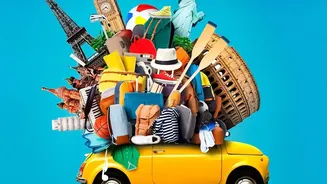
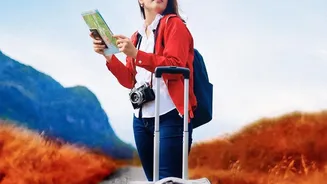
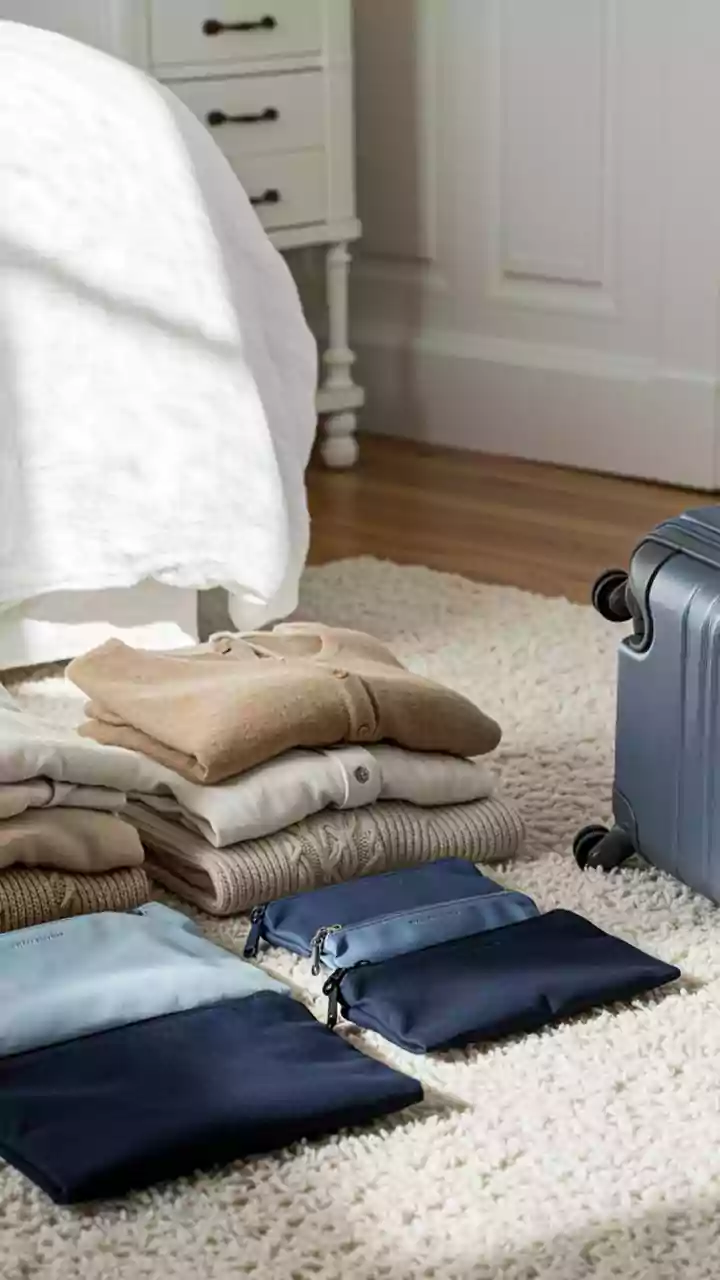
the classic rookie error: packing for every 'what if' scenario. The result? A heavy bag that becomes a literal drag on your adventure, costing you energy and possibly extra baggage fees. Before you pack, check the weather forecast for your destination. Pack versatile, lightweight fabrics and items that can be layered. A great strategy is the 5-4-3-2-1 rule: no more than five sets of socks and underwear, four tops, three bottoms, two pairs of shoes, and one 'special' item like a swimsuit or a nice jacket. Using packing cubes can also help compartmentalise and compress your clothing, saving a surprising amount of space. Remember, unless you're heading somewhere extremely remote, you can almost always buy anything you desperately need.
The Peril of the Jam-Packed Itinerary
In an effort to see everything, first-time solo travellers often make the mistake of scheduling every single minute of their day. This leaves no room for the magic of discovery: the charming side street, the cafe a local recommended, or an invitation to join a walking tour. Solo travel is about freedom, and that includes the freedom to be spontaneous. Plan your 'must-do' activities, but leave large chunks of your days open. Building 'people time' into your itinerary, like joining a cooking class or a day tour, can also prevent loneliness and create memorable connections. Some of the best travel memories come from unplanned moments, so give them space to happen.
Forgetting to Mind Your Money
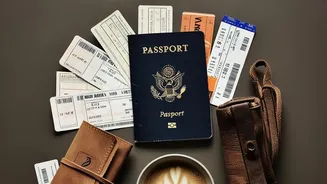
Without a travel partner to split costs, expenses can add up quickly. A common mistake is not creating or sticking to a budget. Before you go, map out your major fixed costs like flights and accommodation. Then, determine a realistic daily budget for food, activities, and transport. Use a travel spending app to track your expenses on the go. It's also wise to have a financial cushion of 10-20% of your total budget for emergencies. Always carry at least two different payment methods (e.g., a credit card and a debit card) and keep them in separate places in case one is lost or stolen.
Dismissing Basic Safety Precautions
While it’s important not to be crippled by fear, being overly trusting or careless is a significant risk. Your safety is paramount. Always let someone back home know your itinerary, including hotel details and planned excursions. Consider enrolling in a program like the Smart Traveler Enrollment Program (STEP) if you're a U.S. citizen travelling abroad, which connects you with the local embassy in case of an emergency. Be aware of your surroundings, avoid walking with headphones in, and don't advertise expensive electronics or jewellery. Above all, trust your instincts; if a situation or person feels off, remove yourself from it.
Ignoring Local Customs and Culture
Arriving in a new country without any knowledge of its cultural norms is not just disrespectful, but can also lead to awkward or unsafe situations. Do some research beforehand on appropriate dress, tipping etiquette, and basic social greetings. Learning a few key phrases in the local language, such as 'hello,' 'thank you,' and 'excuse me,' goes a long way in showing respect and can help you connect with locals. This simple preparation can make your interactions smoother and your overall experience far more enriching.
Fearing Loneliness Instead of Embracing It
Many prospective solo travellers worry about feeling lonely, but this fear can prevent you from enjoying the unique benefits of travelling alone. It's important to distinguish between being alone and being lonely. If you do want to meet people, stay in social accommodations like hostels, join group tours, or strike up conversations at a local cafe. However, also give yourself permission to enjoy your own company. Solitude can be a powerful tool for self-reflection and growth, and some of the most profound travel moments happen when you are simply present with yourself and your new surroundings.