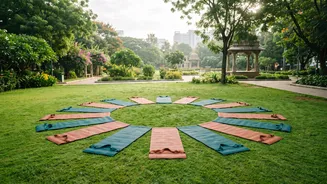





Gone are the days when a trip to the park just meant a leisurely stroll. Today, urban parks across India are transforming into dynamic wellness hubs, cleverly blending lush greenery with robust outdoor fitness facilities. Here’s how it works.
From Relaxation to Recreation
Historically,
urban parks were designed as peaceful retreats—places to escape city noise and enjoy nature. But as public health awareness grows, city planners are rethinking this model. The modern park is no longer just for passive relaxation; it is an active community space designed to encourage movement. The goal is to make fitness free, accessible, and appealing to everyone, from teenagers to senior citizens. By placing exercise equipment in public green spaces, cities remove common barriers to physical activity like expensive gym memberships and rigid schedules. This shift turns the neighbourhood park into a holistic resource for both mental and physical well-being.
What These 'Green Gyms' Look Like
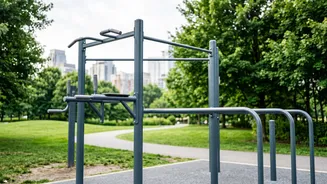
These outdoor gyms are thoughtfully designed to fit into the landscape. You will not find heavy, electricity-guzzling machines. Instead, the equipment is weather-proof, durable, and often uses your own body weight for resistance. Common installations include air walkers, hip twisters, pull-up bars, leg presses, and sit-up benches. The layout is also intentional. Some parks feature a 'fitness trail', where exercise stations are placed along a jogging or walking path. Others group equipment into a 'fitness cluster' to encourage social interaction and group workouts. In many parks in cities like Mumbai and Bengaluru, these gyms are placed near playgrounds, allowing parents to exercise while keeping an eye on their children.
The Benefits of 'Green Exercise'
Exercising outdoors, often called 'green exercise', offers benefits that go beyond a typical indoor workout. Studies show that being in nature can reduce stress, lower blood pressure, and improve mood. Exposure to sunlight provides a natural boost of Vitamin D, which is essential for bone and immune health. The fresh air and natural scenery can also make exercise feel less strenuous, encouraging people to stay active for longer. This combination of physical activity and environmental exposure fosters a powerful sense of revitalisation and increased energy.
Designing for Community and Inclusivity
A successful outdoor gym is about more than just equipment; it is about thoughtful design. Planners focus on making these spaces welcoming for all ages and fitness levels. This means including low-impact machines for older adults alongside more challenging options for athletes. Good design also ensures accessibility, with wide, clear pathways for wheelchairs and strollers, and clear signage with instructions. The ultimate aim is to create a space that fosters community engagement, where people can work out, socialise, and motivate one another. This social aspect is a key driver of the trend's success in India, turning parks into bustling hubs of positive activity.