


The Deceptive Danger of Standing Water
It feels responsible, doesn't it? You water your plant thoroughly, and the excess collects in the saucer below. Many people leave it there, thinking the plant will 'drink' it later when it gets thirsty. This is one of the most widespread myths in container
gardening. While a plant does absorb water through its roots, those roots also need to breathe. When a pot sits in a puddle, the lower portion of the soil becomes completely saturated, pushing out all the air pockets. This waterlogged environment is the perfect breeding ground for a host of problems that can quickly turn a thriving plant into a sad, wilting mess.
Why Your Plant's Roots Are Drowning
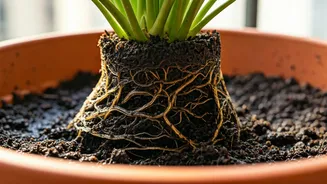
The number one killer of container plants is not underwatering—it's overwatering, and letting a pot sit in water is the fastest way to get there. The primary danger is root rot. When roots are deprived of oxygen, they begin to suffocate and die. These decaying roots are then attacked by fungi and bacteria that thrive in moist, anaerobic conditions. The rot spreads, destroying the plant's ability to absorb nutrients and water, ironically causing it to wilt as if it were thirsty. Signs of root rot include yellowing leaves (especially lower ones), stunted growth, a musty smell from the soil, and a general lack of vigour. By the time you notice these symptoms, the damage can be extensive and difficult to reverse.
More Than Just Plant Health
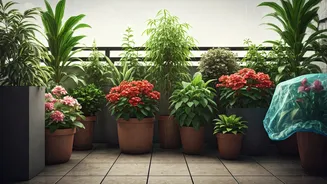
The issue extends beyond the well-being of your plants. Constant standing water on your balcony floor or in saucers creates a number of secondary problems. For one, it's a five-star resort for pests. Mosquitoes, in particular, can lay their eggs in as little as a teaspoon of standing water, turning your peaceful oasis into a buzzing nuisance. Furthermore, the persistent moisture can cause long-term damage to your balcony surface. It can lead to unsightly mineral stains on concrete or tiles, promote algae or mould growth, and even accelerate the decay of wooden decking. Over time, this can lead to costly repairs that go far beyond the price of a new plant.
The Correct Way to Water Containers
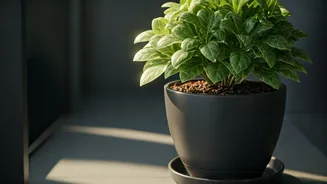
The solution is simple and requires only a small adjustment to your routine. When you water your plants, do so thoroughly until you see water flowing freely from the drainage holes at the bottom of the pot. This ensures the entire root ball is hydrated and helps flush out any excess mineral salts that may have built up in the soil. Then, wait. Let the pot drain for about 15 to 30 minutes. After that time, any water remaining in the saucer should be tipped out. That's it. This single step allows the plant to take what it needs while ensuring the roots have access to the oxygen they require to stay healthy. Your plant gets a deep drink without the risk of drowning.
Smarter Drainage Solutions for Your Balcony
If emptying saucers feels like too much of a chore, there are other elegant solutions. 'Pot feet' are small risers that elevate your container, allowing water to drain away freely and air to circulate underneath. This prevents the pot from ever sitting directly in water. Another option is the 'pot-in-pot' method: use a decorative outer pot without drainage holes (a cachepot) and place your functional plastic nursery pot inside it. After watering, simply lift the inner pot, empty the water from the cachepot, and replace it. For those who travel or are forgetful, modern self-watering planters can work well, as they are designed with a reservoir system that wicks water up to the roots as needed without waterlogging the main soil volume. Whichever method you choose, the principle remains the same: roots need both water and air to thrive.