



The Building Blocks: Understanding Amino Acids
Protein is essential for nearly every function in our body, from building muscle to supporting our immune system. Proteins themselves are made of smaller units called amino acids. There are 20 different amino acids, nine of which are considered 'essential'
because our bodies cannot produce them. We must get these nine essential amino acids from the food we eat. Animal-based foods like meat, eggs, and dairy are 'complete proteins', meaning they contain all nine essential amino acids in sufficient amounts. Most plant-based foods, however, are 'incomplete', as they are often low in one or more of these essential amino acids. This is where the power of combining foods comes in.
The Plant Protein Puzzle
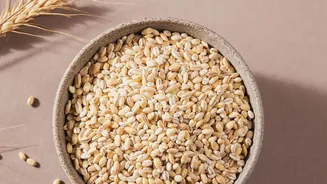
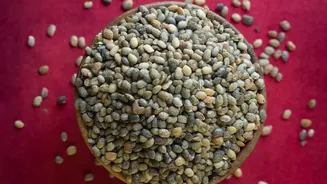
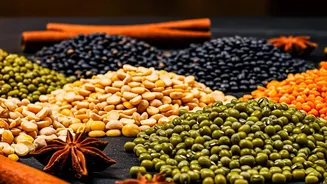
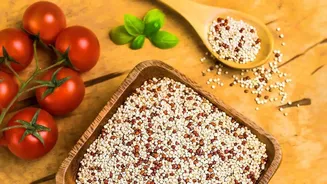
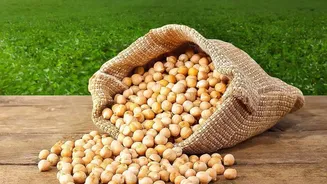
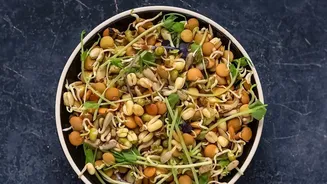
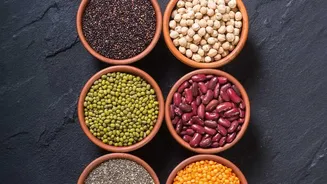
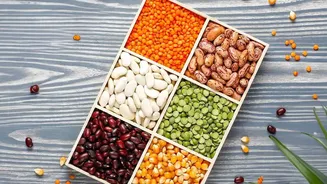
The idea of combining plant foods to form a complete protein is known as protein complementation. Different plant food groups have different amino acid profiles. Think of it like a puzzle. One food group has a piece that another is missing. For example, grains like rice and wheat tend to be low in the essential amino acid lysine. On the other hand, pulses—the food group that includes lentils, beans, and chickpeas—are typically rich in lysine but low in another essential amino acid, methionine. When you consume both, they compensate for each other's deficiencies, providing your body with a full spectrum of essential amino acids.
Grains and Pulses: The Perfect Pair
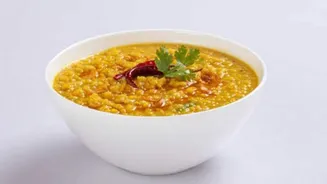
The combination of grains and pulses is a nutritional cornerstone of cuisines across the globe for this very reason. This synergy isn't a new discovery; it's a practice embedded in traditional food cultures. In India, the classic pairing of dal (lentils) with rice or roti (whole wheat flatbread) is a perfect example of protein complementation in action. The pulses provide the lysine that grains lack, and the grains supply the methionine that pulses are low in. Together, they create a meal with a high-quality, complete protein profile that is easily utilized by the body.
Classic Indian Combinations for Complete Protein
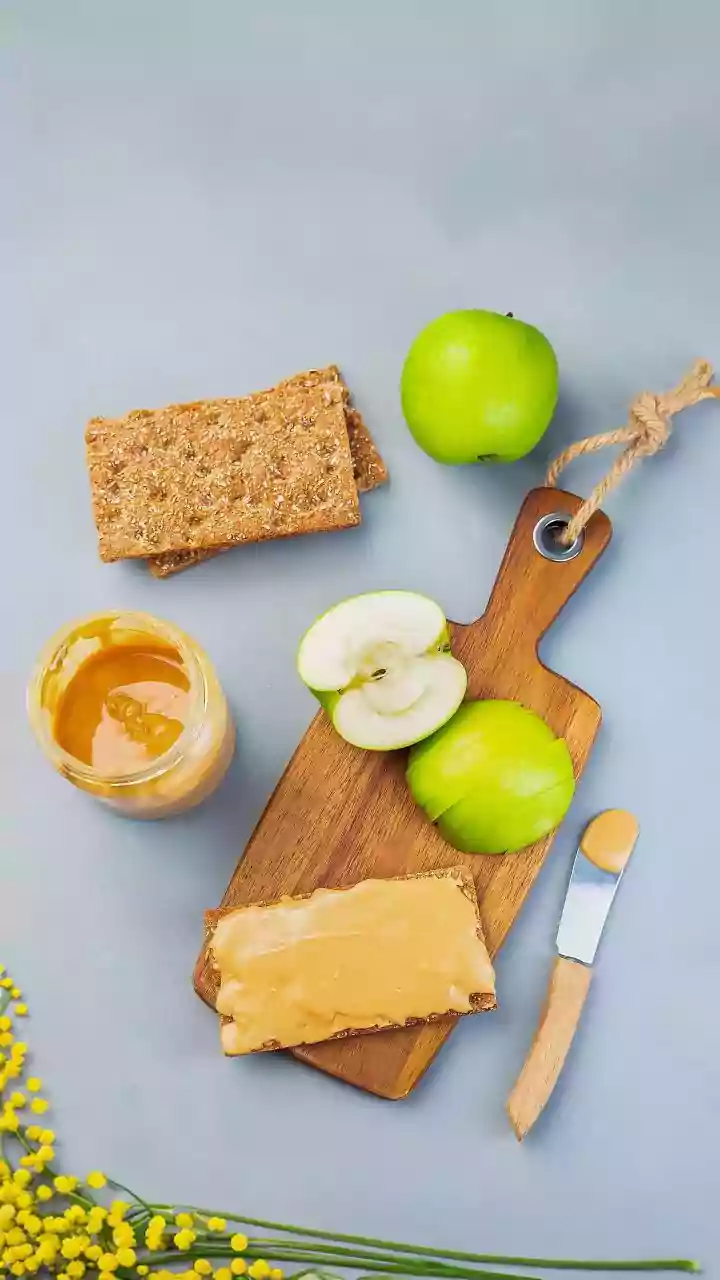
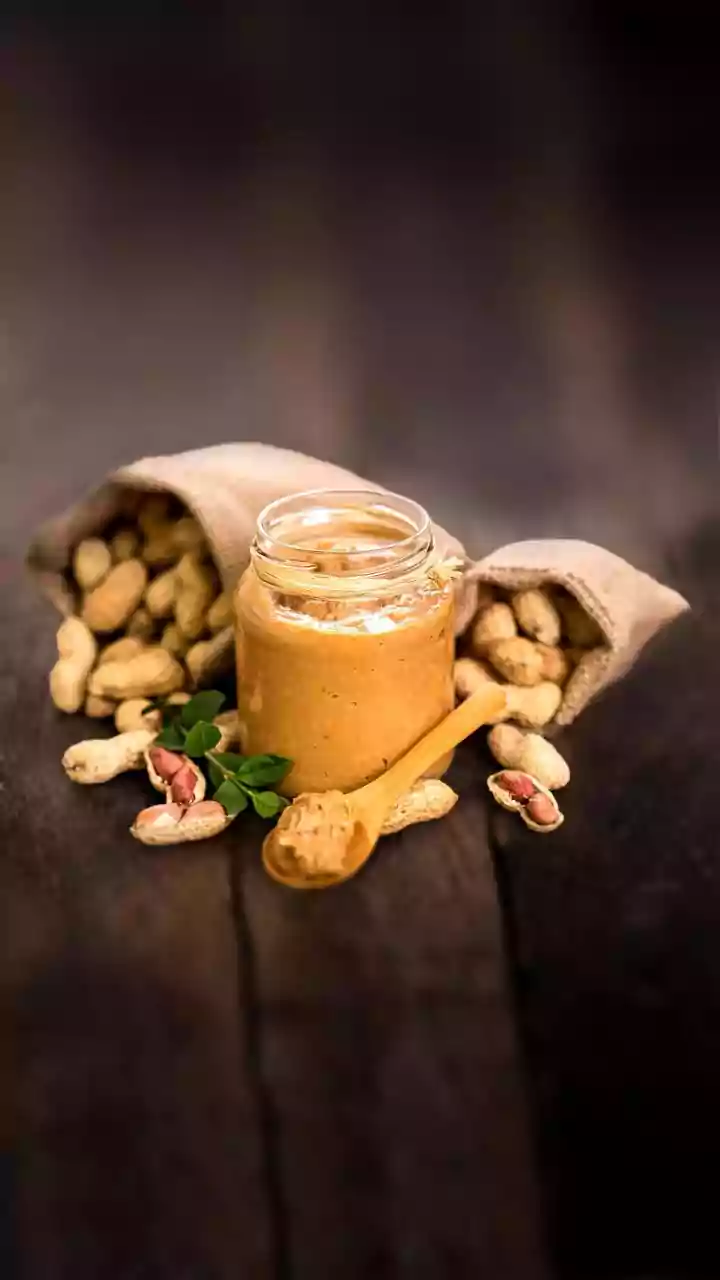
Indian cuisine is rich with delicious examples of this powerful food synergy. Rajma Chawal (kidney beans with rice) and Chana Masala with Naan or Paratha are not just comforting and flavourful, but also nutritionally balanced meals. Khichdi, a simple dish made from rice and moong dal, is celebrated for being easy to digest and highly nourishing, precisely because it combines a grain and a pulse. Even a simple peanut butter sandwich on whole-grain bread leverages this concept, as peanuts are legumes and bread is a grain. These traditional meals intuitively provide the full range of essential amino acids.
Do I Need to Eat Them in the Same Meal?
Here's some good news that makes plant-based eating even more flexible. While older advice suggested that complementary proteins must be eaten together at the same meal, modern nutritional science has shown this is not necessary. Our bodies are clever enough to maintain a pool of amino acids from the foods we eat throughout the day. As long as you consume a variety of plant-based protein sources—like grains, pulses, nuts, and seeds—over the course of the day, your body can pull the amino acids it needs to build complete proteins. So, you could have dal for lunch and roti for dinner and still reap the benefits.