








The First Hour is Crucial
When severe weather warnings are issued, time is a luxury you may not have. Urban flooding can block roads in minutes and evacuation orders often require immediate action. The difference between a safe exit and a stressful scramble lies in prior preparation.
Having a plan allows you to act decisively, focusing on the safety of your loved ones rather than frantically searching for essentials. This is why disaster management experts emphasize having a clear, rehearsed plan. A few hours spent organizing can save you critical time and reduce the risk of loss or injury when an emergency strikes. The goal is to make your response automatic, so you can gather your family, secure your home, and leave quickly if needed.
Assemble Your Grab-and-Go Bag
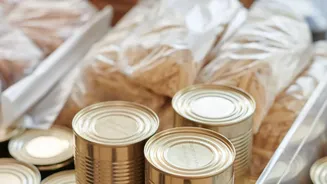
An emergency kit, or "go-bag," is a pre-packed bag that contains everything your family needs to survive for at least 72 hours. According to guidelines from disaster management authorities, this bag is your lifeline. Start with a sturdy, waterproof backpack. Pack it with essentials like bottled water (at least a three-day supply), non-perishable food items like biscuits and dry fruits, a flashlight with extra batteries, and a comprehensive first-aid kit. Your first-aid kit should include bandages, antiseptic wipes, pain relievers, and any personal prescription medications. Also include a whistle to signal for help, a portable radio to receive updates if phone networks are down, and some cash, as ATMs may not be functional. Keeping this bag in an accessible place means you can grab it and go without a second thought.
Waterproof Your Important Documents
In the chaos of an evacuation, personal documents are often forgotten or damaged. Your property deeds, passports, birth certificates, and insurance policies are invaluable and difficult to replace. The simplest way to protect them is to create both digital and physical backups. Scan all your important documents and save them to a secure cloud service and a password-protected flash drive, which can be kept in your go-bag. For physical copies, use waterproof pouches or zip-lock bags as an extra layer of protection. Store these protected documents together in a folder that’s easy to grab. Some experts also suggest that for irreplaceable papers, a bank's safe deposit box provides security against fire and flood damage at home.
Create a Dry Storage Zone
Not everything can fit into a go-bag. For valuables that you must leave behind, a designated 'dry storage zone' can offer crucial protection, especially from floodwater. Identify the highest and driest point in your home, away from windows. If you live in an area prone to flooding, elevate expensive electronics and appliances like TVs and computers off the floor using sturdy blocks or platforms. Before evacuating, if you have time, unplug all electrical appliances to prevent damage from power surges or short circuits. Move smaller valuables, photo albums, and sentimental items to higher shelves. In ground-floor homes or apartments, even a few feet of elevation can be the difference between preservation and total loss. The key is to make these actions part of a quick, pre-planned drill.
Your Five-Minute Pack-Up Drill
Practice makes perfect. Create a simple checklist and run through it with your family so everyone knows their role. This 'five-minute drill' turns a plan into a habit. Assign tasks: one person grabs the go-bag, another secures pets, and another is responsible for unplugging electronics. Your checklist should be simple: Grab emergency kit. Secure all documents. Unplug major appliances. Move key items to your high-and-dry spot. Lock all windows and doors. Check on elderly or vulnerable neighbours if it is safe to do so. Finally, follow the evacuation routes recommended by local authorities and listen to official advisories. A calm, practiced response is your best defence against the chaos of a weather emergency.