

The Current Roadblock for Electric Two-Wheelers
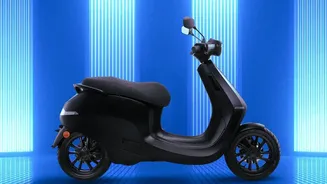
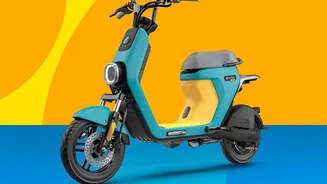
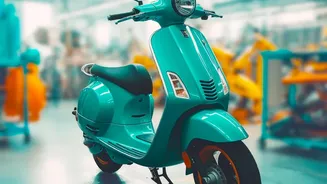
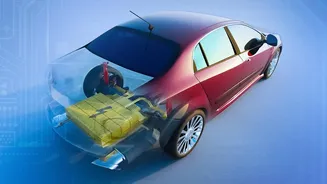
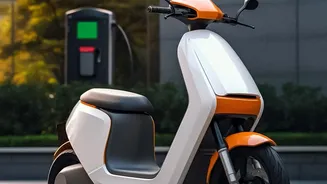
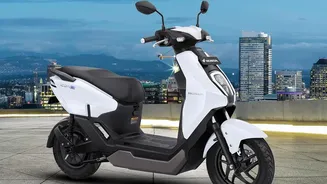
The hum of electric scooters and motorcycles is becoming increasingly common on Indian city streets. While promising, their mainstream adoption is held back by the limitations of current lithium-ion batteries. These batteries, though dominant, make vehicles
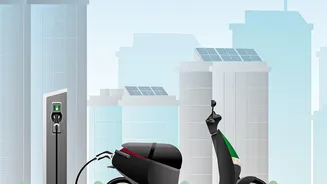
expensive, cause 'range anxiety' due to their limited capacity, and have raised safety questions due to rare but publicized fire incidents involving flammable liquid electrolytes. Furthermore, long charging times clash with the fast-paced nature of urban life, making them less convenient than a quick stop at a petrol pump.
Enter the Solid-State Game Changer
Imagine a battery with no liquid inside. That is the core innovation of solid-state technology. Instead of a liquid or gel electrolyte that shuttles ions between the positive and negative ends of a battery, it uses a solid material, such as a ceramic or polymer. This fundamental change sounds simple, but it unlocks a cascade of benefits that directly address the weaknesses of their lithium-ion predecessors, promising to make electric vehicles safer, more powerful, and, eventually, more affordable.
More Kilometres, Less Worry
One of the biggest advantages of solid-state batteries is their superior energy density. This means they can store significantly more energy in the same amount of space, or store the same energy in a much smaller, lighter package. For an urban commuter, this translates to two huge wins: a much longer range on a single charge, effectively ending range anxiety for daily trips, or a lighter, more nimble, and more affordable scooter that is easier to handle in dense traffic. Some lab tests have shown solid-state batteries reaching nearly double the energy density of standard lithium-ion cells.
A Safer Ride for Everyone
Safety is a paramount concern for any vehicle, and solid-state batteries offer a major leap forward. By eliminating the flammable liquid electrolyte found in lithium-ion batteries, the risk of thermal runaway—a chemical reaction that can lead to fires—is dramatically reduced. This inherent stability makes the battery pack safer, especially in India's often hot climate and rough road conditions. It also simplifies the battery design, as complex cooling systems become less critical, which can further reduce vehicle weight and cost.
Tackling the High Price Tag
While currently more expensive to produce due to new manufacturing processes, the long-term forecast for solid-state batteries is a reduction in cost. They have the potential to use more abundant and less expensive materials, and their simpler, safer design could streamline manufacturing once it reaches scale. Experts believe that as production ramps up towards the end of the decade and into the early 2030s, the cost of solid-state battery EVs could become comparable to their petrol-powered counterparts. This is the key that could unlock mass adoption for price-sensitive Indian consumers.
The End of Long Charging Waits
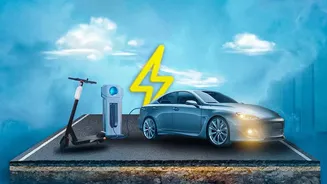
Another transformative feature is the potential for ultra-fast charging. The solid electrolyte is more robust and can handle higher currents, potentially cutting charging times from hours to just minutes. Some prototypes have demonstrated the ability to gain a significant charge in as little as 10-15 minutes. For a delivery rider, a shared-mobility operator, or a daily commuter, this brings the EV experience much closer to the convenience of refuelling a conventional two-wheeler, removing a major friction point for potential buyers.
The Road to Mass Adoption
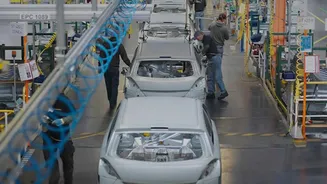
The journey from the lab to the streets is well underway, but challenges remain. Mass production is still a major hurdle, and costs are currently high. However, several companies, including major automotive players and specialized tech firms, are investing billions and setting up pilot production lines. Some manufacturers have already showcased motorcycles with solid-state technology, marking a crucial step from theory to reality. Indian companies like Ola Electric are also actively working on solid-state research, signalling a clear intent to integrate this technology into future models before 2030. While so-called 'semi-solid' hybrid batteries will likely appear first, the consensus is that true solid-state batteries will become a market reality closer to the end of the decade.