




The Traditional Protein Plate
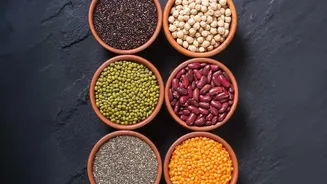
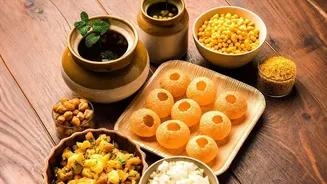
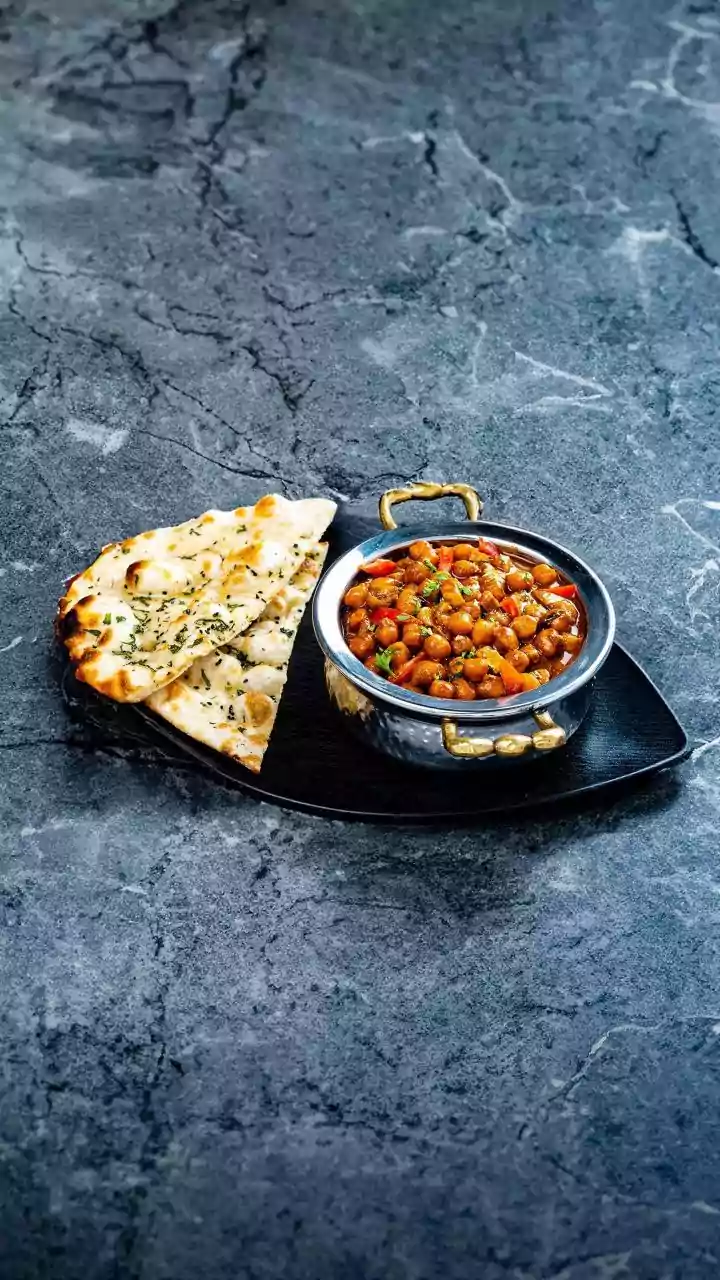
In India, a country with one of the world's largest vegetarian populations, protein has long been sourced from a trusted trio: lentils (dal), legumes (like chickpeas and kidney beans), and dairy, primarily paneer. These ingredients are not just food;
they are cornerstones of culinary identity and home-cooked comfort. Soya chunks also carved out a significant niche, often dubbed 'vegetarian's meat' for their texture and affordability. For decades, this selection formed the bedrock of a vegetarian diet, providing sustenance and flavour in countless regional preparations from dal makhani to paneer tikka. While incredibly nutritious, the reliance on this limited roster meant that for many, the world of plant-based protein felt dependable yet finite.
A New Wave of Ingredients
The last few years have ushered in a dramatic expansion of India's protein pantry. A growing curiosity for diverse nutritional profiles has brought a host of new and rediscovered ingredients into the spotlight. Among the most prominent is pea protein, which is rapidly gaining favour for its clean label appeal and strong amino acid profile. Ancient grains like millets (ragi, jowar, bajra) are also experiencing a major renaissance, celebrated for being gluten-free powerhouses of nutrition. But the innovation doesn't stop there. Raw jackfruit, once a humble backyard vegetable, is now being hailed as a remarkable meat substitute due to its fibrous, shreddable texture that mimics pulled pork or chicken. Another rising star is hemp, sourced from the Himalayas, which offers a complete protein with all essential amino acids and healthy omega fats. These ingredients are moving from niche health stores to mainstream products, appearing in everything from protein powders to ready-to-cook meals.
What's Fuelling the Shift?
This dietary expansion is driven by a perfect storm of factors. A surge in health and wellness consciousness is perhaps the biggest driver, with urban consumers increasingly aware of the benefits of a diversified diet. Many are moving from simply being calorie-conscious to becoming nutrition-conscious, specifically seeking out high-protein foods. This is coupled with a growing 'flexitarian' trend, where even non-vegetarians are actively choosing to eat more plant-based meals for health and environmental reasons. Studies show a high willingness among Indian consumers, particularly younger generations, to try and regularly purchase plant-based alternatives. The rise of social media has also played a crucial role in raising awareness and making these new food trends accessible to a wider audience.
Startups Seeding a Food Revolution
This consumer curiosity is being met by a vibrant ecosystem of Indian food-tech startups. Companies like GoodDot have pioneered plant-based 'mock meats' using ingredients like soy and pea protein to create vegan chicken and mutton alternatives that fit perfectly into traditional Indian dishes like biryani and tikka. Brands such as Wakao Foods have put jackfruit on the map, gaining national recognition after appearing on Shark Tank India for their ready-to-cook jackfruit products. In the dairy alternatives space, startups have developed everything from plant-based milks and yogurts to India's first plant-based liquid egg substitute made from lentils. These companies are not just selling products; they are leveraging food science to match the taste and texture expectations of Indian palates, making the transition to new proteins both easy and delicious.
The Road Ahead: Taste, Price, and Access
Despite the explosive growth, the journey for these new proteins is not without challenges. Taste and texture remain paramount for Indian consumers, who have a rich culinary heritage and high expectations. Price sensitivity is another significant factor; for new products to truly become mainstream, they must compete with the affordability of traditional dals and legumes. Furthermore, while awareness is high in metro areas, there is a long way to go in making these products accessible and relevant to consumers in tier-2 and tier-3 cities. Yet, the momentum is undeniable. The Indian plant-based protein market is one of the fastest-growing in the world, projected to reach billions of dollars in the coming years.