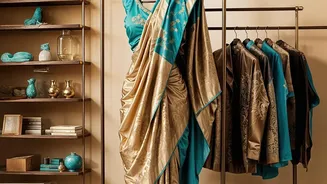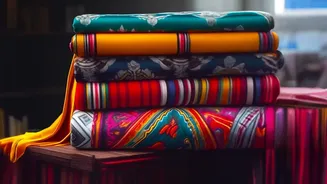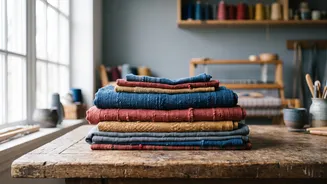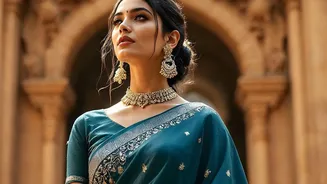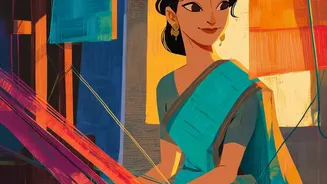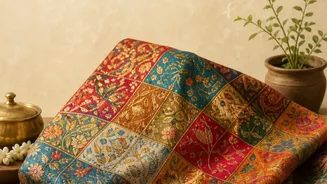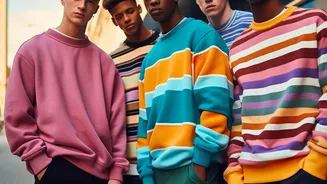



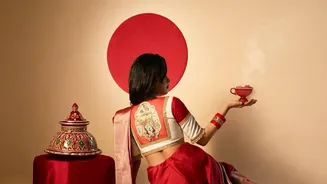
In an era of fleeting social media trends, a quiet but powerful shift is happening in the wardrobes of young India. Gen Z is looking past the instant gratification of fast fashion, rediscovering the lasting appeal of regional, handwoven textiles.
The Fast Fashion Hangover
For years,
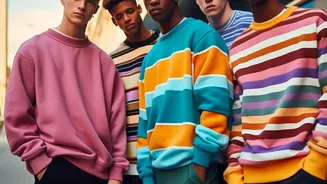
fast fashion dominated, offering trendy, low-cost garments at the click of a button. But this model, built on rapid production and disposability, is losing its shine. Gen Z, more than any generation before, is acutely aware of the consequences: overflowing landfills, polluted waterways from synthetic dyes, and the enormous carbon footprint of global supply chains. The very clothes designed to be worn a few times before being discarded are now seen by many as a symbol of waste. This growing consciousness has created an opening for an alternative, one rooted in tradition and mindful consumption.
Durability as the New Cool
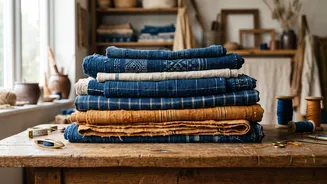
The core appeal of traditional weaves lies in a quality fast fashion often sacrifices for cost: durability. Handloom fabrics, crafted by artisans who control every aspect of the weave, are built to last. Unlike machine-made textiles optimised for speed, handwoven fabrics often use stronger, natural fibres and techniques passed down through generations. This results in garments that don't just survive washes but often soften and age beautifully, developing character over time. For a generation increasingly interested in sustainability, durability is no longer a boring, practical feature; it's a statement against throwaway culture. An investment in a handloom piece is an investment in a garment that can be worn for years, even decades, becoming a cherished possession rather than landfill fodder.
A Story in Every Thread
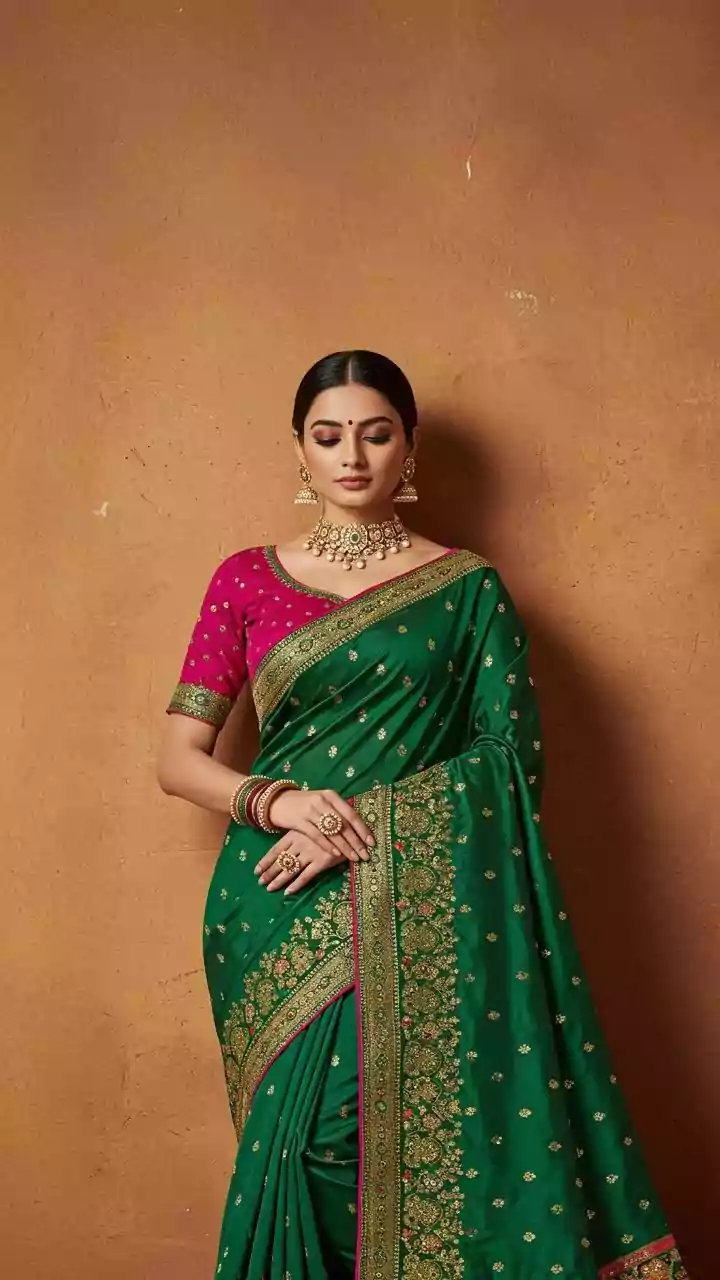
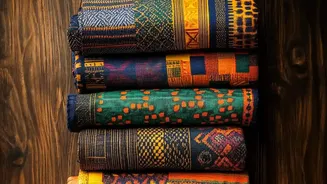
Beyond sheer longevity, regional textiles offer something mass-produced garments cannot: a narrative. Each handwoven fabric, from the breezy Jamdani of Bengal to the geometric Ajrakh of Kutch, carries the story of its origin, its craftspeople, and its cultural heritage. For Gen Z, a generation that prizes authenticity and self-expression, this is a powerful draw. Wearing a handloom piece is a way to connect with one's roots and showcase a unique identity that stands apart from globalised trends. This interest is amplified on social media, where young influencers and designers share innovative ways to style traditional textiles—pairing a Chanderi kurta with jeans, turning a 'grandma's saree' into a contemporary dress, or accessorising with hand-block printed scarves.
Conscious Choices and Cultural Pride
The move towards regional fabrics is about more than just aesthetics; it's an ethical choice. Supporting the handloom sector means supporting rural artisans, preserving ancient crafts, and promoting a more sustainable, localised economy. Handlooms operate on human power, significantly reducing the carbon footprint associated with factory production. Many weavers also use natural dyes, avoiding the chemical pollution that plagues the fast fashion industry. This aligns perfectly with the values of a generation that wants to know who made their clothes and what impact their purchase has on the world. By choosing a handwoven textile, young consumers are making a statement that their values—sustainability, cultural preservation, and ethical production—are woven into the very fabric of their style.