





Master the Art of Layering
The single most effective strategy for multi-climate packing is layering. Instead of packing bulky sweaters and heavy jackets, think in terms of thin, versatile layers that you can add or remove as the temperature changes. A typical three-layer system
includes a base layer (like a t-shirt or tank top), a mid-layer (a long-sleeved shirt or light fleece), and an outer layer (a waterproof or windproof jacket). For your warm-weather destinations, you'll wear the base layer on its own. As you head for the hills, you can add the mid-layer for insulation and top it with the outer shell for protection against wind or rain. This approach gives you multiple outfit options without the bulk of single-purpose items.
Choose Your Fabrics Wisely
The material of your clothing is critical. For humid coastal weather, prioritise light, breathable, and loose-fitting fabrics like cotton and linen that let air circulate and keep you cool. However, for active or cooler parts of your trip, cotton is less ideal as it absorbs moisture and takes a long time to dry, which can leave you feeling chilled. This is where performance fabrics shine. Merino wool is a travel superstar; it’s lightweight, breathes well in the heat, insulates when it’s cold, and naturally resists odours, meaning you can wear it multiple times without washing. Synthetics like nylon and polyester are also excellent choices as they are quick-drying and wrinkle-resistant.
Embrace Multi-Functional Gear
To pack truly light, every item should earn its place in your suitcase by serving multiple purposes. Convertible trousers that zip off into shorts are a classic example, giving you an option for both trekking in the mountains and strolling on the beach. A large scarf or a pashmina can be used for warmth on a chilly flight, as a beach cover-up, or to cover your head and shoulders when visiting religious sites. Similarly, choose shorts that you can hike in but also swim in, or a dress that can be worn casually during the day but dressed up with accessories for dinner. The more versatile an item is, the less you need to pack overall.
Invest in a Packable Jacket
Your one essential cold-weather item should be a high-quality, packable jacket. Heavy winter coats are simply too bulky for this kind of trip. Look for a lightweight down or synthetic insulated jacket. These jackets provide an incredible amount of warmth for their weight and can be compressed into a tiny stuff sack, taking up minimal space in your luggage. When paired with your layering system, a packable puffer jacket is more than sufficient for cold evenings in the mountains or on a windy ridge. For extra versatility, find one that is also water-resistant to double as a rain jacket in a pinch.
A Strategic Shoe Game Plan
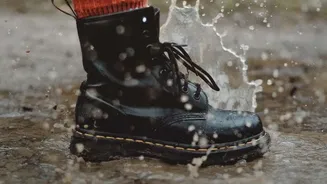
Footwear is often the heaviest and bulkiest part of anyone’s luggage. The key is to limit yourself to a maximum of three pairs. Your first should be a comfortable pair of walking shoes or trail runners that can handle city sightseeing and light hikes. Your second could be a pair of sandals or stylish flats for the beach and warmer evenings. The third pair should fill in the gaps—perhaps a waterproof hiking shoe if your itinerary includes serious trekking, or a slightly dressier shoe if you have formal events planned. Wear your heaviest, bulkiest pair of shoes on the plane to save space and weight in your bag.
Utilise Packing Cubes
Packing cubes are a traveller's best friend. These small, zippered bags help you compartmentalise and compress your clothing. For a multi-climate trip, they are exceptionally useful. You can dedicate specific cubes to your cold-weather gear and others to your warm-weather clothes. This not only keeps your suitcase incredibly organised but also prevents you from having to rummage through your entire bag to find a pair of wool socks. The compression feature helps squeeze the air out of your clothes, creating more space than you thought possible.