

Why Monsoon Walks Demand Extra Care
While the relief from summer heat is welcome, the Indian monsoon creates a perfect storm for pet health problems. The constant dampness, combined with muddy puddles and humid air, turns your dog's paws into a breeding ground for bacteria and fungi. Paws
that remain wet for extended periods can develop softened skin, making them more vulnerable to cuts and abrasions from rough surfaces. This trapped moisture between the toes and paw pads can lead to painful skin inflammation, yeast infections, and bacterial issues that cause discomfort, itching, and a foul odour. Puddles can also contain harmful bacteria like leptospirosis and giardia, which your dog can ingest simply by licking its paws after a walk.
The Dangers of Damp Paws
Ignoring post-walk paw care can lead to several preventable health issues. One of the most common problems is pododermatitis, a painful inflammation of the paws. Fungal infections, particularly yeast, thrive in warm, moist environments like the crevices between your dog's toes, leading to intense itching, redness, and a distinct musty smell. Bacterial infections can also take hold in small cuts or where the skin is irritated, sometimes resulting in swelling or pus. Beyond infections, the cycle of getting wet and then drying can leave paw pads cracked and sore. Debris like small stones or glass can get lodged between the pads, causing limping or pain that you might only notice during a thorough cleaning.
A Step-by-Step Paw Cleaning Guide
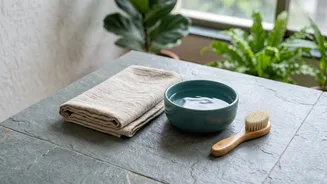
Making paw cleaning a quick and consistent habit is key. You don’t need a full bath every time; a simple station by your door is often enough. First, have a dedicated, absorbent towel ready. Gently wipe each paw to remove surface-level mud and water. For more stubborn dirt, use a bowl of lukewarm water to rinse each paw individually, making sure to get between the toes and around the nails where mud hides. Pet-safe wipes are a convenient alternative for less messy walks. Some owners also use a no-rinse foaming cleanser for a quick and effective clean right at the doorstep. The goal is to be gentle but thorough, turning the routine into a calm moment of care rather than a struggle.
The Crucial Final Step: Thorough Drying
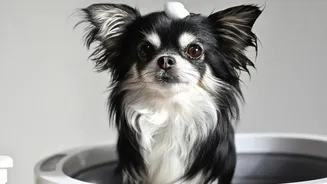
Cleaning is only half the battle; proper drying is just as important. Trapped moisture is the primary culprit behind many monsoon-related paw problems. After washing, use a soft, dry microfiber towel to pat the paws, ensuring you gently dry the sensitive skin between the toes. For dogs with long fur around their paws, this step is especially critical, as that hair can hold water like a sponge. If your dog is comfortable with it, a hairdryer on its lowest, coolest setting can help ensure the fur is completely dry, preventing any lingering dampness that could invite fungal growth.
Tools and Tips for Healthy Monsoon Paws
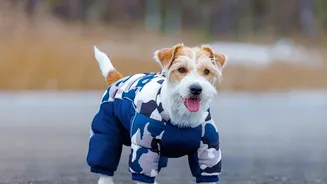
Beyond cleaning and drying, a few other practices can help. Keeping the fur around the paw pads trimmed short improves air circulation and reduces the amount of mud and moisture that gets trapped. Applying a dog-safe paw balm or wax can help moisturise dry, cracked pads and create a protective barrier against rough surfaces. While some dogs may tolerate waterproof booties for extra protection, they aren't a fit for every pet. Regularly inspect your dog's paws for any signs of redness, swelling, cuts, or unusual licking, which could signal an emerging issue.