

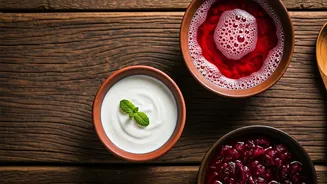


Meet Kanji, The Tangy Probiotic Powerhouse
The drink of the moment isn’t a new-fangled coffee creation or an exotic tea. It’s Kanji, a traditional North Indian fermented beverage that has been a household staple for generations. Known for its distinct deep purple or magenta hue, derived from black
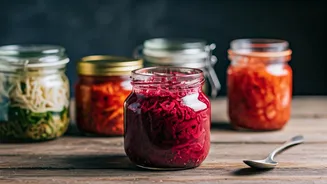
carrots (gajar) or beetroot (chukandar), Kanji is a savoury, tangy, and slightly pungent drink. At its heart, it is a simple concoction of these root vegetables, water, salt, and ground mustard seeds (rai), left to ferment naturally under the sun for a few days. The result is a bubbly, probiotic-rich drink that’s both a flavour explosion and a wellness tonic, perfectly suited for the damp and dreary days of the monsoon.
A Sip of Culinary History
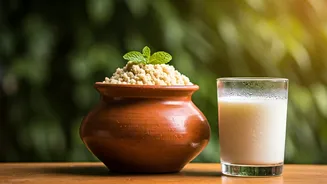
Kanji is not a new wellness trend invented in a lab; its roots are deeply embedded in India's rich history of fermentation. For centuries, before refrigerators became commonplace, fermentation was a primary method of preserving food, enhancing its nutritional value, and creating complex flavours. Kanji belongs to this proud tradition, alongside pickles (achar), dosas, and dhoklas. Traditionally prepared in large ceramic pots (martabans) and left on sunny windowsills or rooftops, the process was a seasonal ritual. Families would make large batches to last through the transition from winter to spring, and again during the monsoon, believing it helped the body adapt to changing weather. While black carrot Kanji is a celebrated specialty of regions like Uttar Pradesh, Punjab, and Rajasthan, variations using beetroot or even rice are found across the country, each with its own local twist.
Why the Sudden Comeback?
So why is this rustic, homespun drink suddenly appearing on cafe menus and in the feeds of wellness influencers? The revival of Kanji can be attributed to a perfect storm of modern trends. Firstly, there’s the global obsession with gut health and fermented foods. As people learn more about the microbiome, probiotic-rich foods like kombucha, kefir, and kimchi have soared in popularity. Kanji is India’s very own answer to this trend—a naturally fermented, dairy-free, and vegan probiotic that is easy to make at home. Secondly, there is a growing “back-to-roots” movement in India, where a new generation is rediscovering the wisdom of traditional Indian food science and nutrition. People are looking for authentic, sustainable, and local alternatives to processed foods, and Kanji fits the bill perfectly.
The Perfect Monsoon Companion
The monsoon brings with it a host of challenges for our digestive and immune systems. The damp weather can make digestion sluggish, and the proliferation of water-borne bacteria increases the risk of infections. This is where Kanji shines as a seasonal superhero. The fermentation process makes it a rich source of probiotics, which are beneficial bacteria that support a healthy gut, improve digestion, and strengthen the body’s natural defences. The mustard seeds used in its preparation have warming properties (known as ‘taseer’ in Ayurveda), which help to ward off the cold and dampness of the season. It’s also packed with antioxidants from the black carrots or beetroot, further helping your body fight off seasonal bugs. It’s the ideal drink to counteract the effects of indulging in heavy, fried monsoon snacks like pakoras and samosas.
More Than Just a Health Drink
While its health benefits are impressive, to reduce Kanji to just a wellness tonic would be to miss the point. It is, above all, a delicious and refreshing drink. The flavour is complex and deeply satisfying—a tangy, almost sour kick from the fermentation, a subtle sweetness from the vegetable, and a sharp, pungent finish from the mustard. It’s an acquired taste for some, but for those who love it, no other drink will do. It is often served as an appetiser to kick-start a meal or simply sipped on its own as a revitalising afternoon beverage. The leftover carrots or beets from the brew are often eaten as a crunchy, tangy pickle, ensuring nothing goes to waste. Making it at home is also a surprisingly simple and rewarding process, connecting you to a long-standing culinary tradition.