





The Invisible Threat in Your Groceries
The term 'national microplastics alert' isn't an official government declaration, but it reflects a rising tide of scientific concern. Microplastics—tiny plastic particles smaller than five millimetres—are turning up everywhere, from the deepest oceans
to our dinner plates. In India, studies have confirmed their presence in staple items we consume daily. Research from organisations like Toxics Link has found microplastics in all tested brands of salt and sugar, whether packaged or sold loose. These particles come from the breakdown of larger plastic waste, contaminating soil, water, and eventually, our food. The Food Safety and Standards Authority of India (FSSAI) has acknowledged the issue, launching a project in 2024 to study the prevalence of microplastics in the Indian food chain and develop detection methods. This confirms that the concern is real, even if the full health impacts are still being understood.
Rethinking 'Clean' in a Plastic World
For those committed to clean eating, this news can be particularly disheartening. You might buy fresh, organic vegetables, but if the soil was irrigated with contaminated water or used plastic mulching, the food could still contain microplastics. A study on Indian salt and sugar brands found that even organic rock salt contained microplastics, though at lower levels than processed iodised salt. The problem isn't just about what you eat, but what it has come into contact with. This includes packaging, processing equipment, and environmental contamination that occurs long before the food reaches your local market. The challenge, therefore, is to expand the definition of 'clean eating' to include minimising plastic contact at every possible stage, from purchase to preparation.
Smart Shopping and Storage Strategies
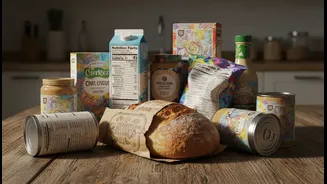
Your first line of defence is at the point of purchase. Whenever possible, choose unwrapped, loose fruits and vegetables. Bring your own cloth or mesh produce bags to the market or kirana store. When buying packaged goods, opt for those in glass, metal, or paper over plastic. For example, choose salt, oil, or pickles that come in glass jars instead of plastic pouches or bottles. Studies show that even twisting the cap of a plastic bottle can release hundreds of microplastic particles. At home, transfer food from plastic packaging into glass or stainless steel containers for storage. This is especially crucial for leftovers, as plastics can degrade over time, leaching particles into the food they hold. Avoiding highly processed foods can also help, as they often involve more plastic contact during manufacturing and packaging.
Your Kitchen, A Low-Plastic Zone
How you prepare and cook your food matters immensely. A major rule is to never heat food in plastic. Microwaving or pouring hot food into plastic containers can accelerate the breakdown of the plastic, causing more particles to transfer to your meal. Use glass or ceramic containers for microwaving and reheating on the stove. Swap out plastic cutting boards, which can shed particles into your food when nicked by a knife, for wooden or bamboo alternatives. The same goes for cooking utensils; prefer wood or steel over plastic spatulas and spoons, especially when cooking at high temperatures. Even your daily chai could be a source of exposure; some tea bags are made with plastic and can release millions of particles when steeped in hot water. Opting for loose-leaf tea is a safer and often more flavourful choice.
Fortify Your Body and Advocate for Change
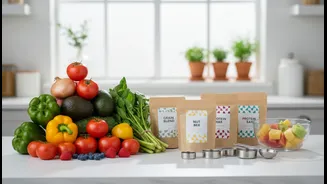
While it's impossible to eliminate exposure completely, some dietary choices may offer a degree of protection. Emerging research suggests that a diet high in fibre—abundant in the fruits, vegetables, and whole grains that clean-eaters favour—might help the body manage and excrete some ingested microplastics. The fibre can act as a natural barrier, potentially trapping particles and preventing them from entering the bloodstream. Beyond personal habits, consumers can drive larger change. Supporting brands that are actively reducing their plastic footprint and advocating for stronger regulations on single-use plastics can help tackle the problem at its source. Innovations are also emerging, such as a low-cost filter developed by Indian teenagers using tamarind seeds to remove microplastics from water.