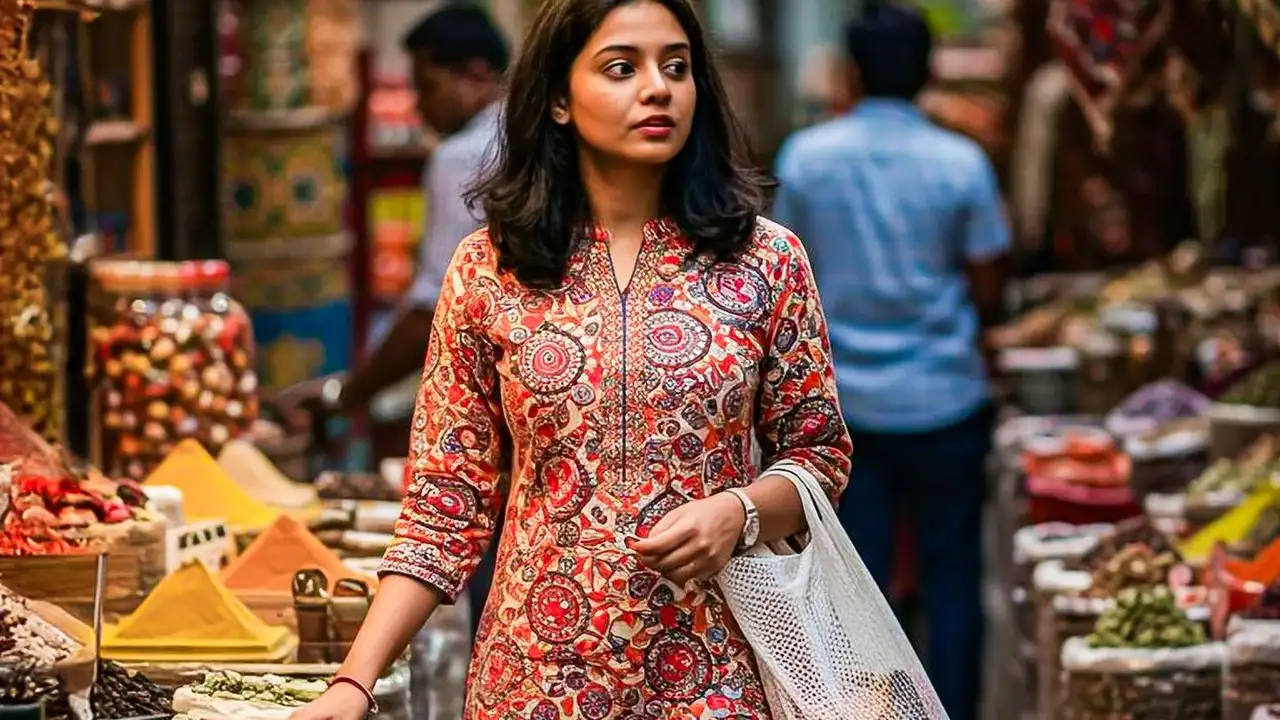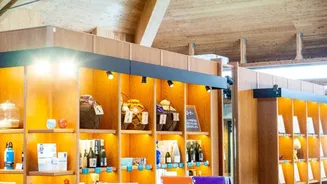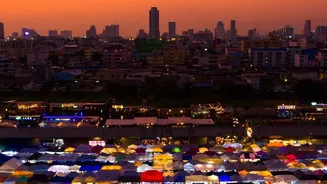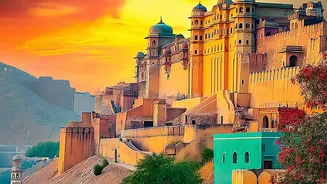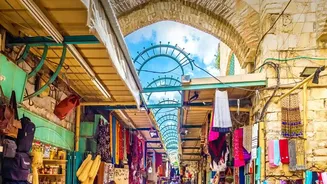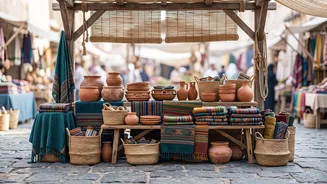






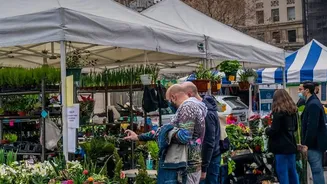

Forget the sterile chill of the shopping mall for a moment. A different kind of retail therapy is taking hold across India, one that involves dusty roads, vibrant crowds, and the promise of a truly authentic bargain. Here's why.
The Allure of the Weekend Bazaar
There’s a quiet but significant
shift happening in the weekend routines of many city dwellers. Instead of navigating the predictable aisles of a hypermarket or the homogenous storefronts of a mall, a growing number of urban families are getting into their cars and heading out of town. Their destination? The bustling, chaotic, and wonderfully authentic local markets, or 'haats', in the surrounding towns and villages. This trend isn't just about escaping the city; it's a conscious choice to seek something more. Research indicates that while e-commerce and organised retail are growing, traditional offline shopping continues to dominate, largely due to the trust and sensory experience it provides. The ability to touch, feel, and inspect products remains a powerful motivator for Indian consumers.
A Quest for Authenticity and Value
So, what's driving this exodus from polished urban retail to traditional local markets? The answer is twofold: a desire for authenticity and the hunt for unbeatable value. In an era of mass production, consumers are increasingly drawn to products with a story. They want to buy spices from the person who grew them, purchase handicrafts directly from the artisan, and find unique textiles that aren't available in a dozen other stores. This search for the 'real deal' is a powerful counter-current to the anonymity of online shopping. Coupled with this is the undeniable economic appeal. Without the overheads of city rentals and extensive supply chains, vendors in local markets can often offer goods at significantly lower prices. For metro buyers grappling with the rising cost of living, the promise of farm-fresh produce, quality staples, and unique finds at a fraction of the price is a compelling reason to make the trip.
More Than Just Groceries
While fresh produce is a major draw, these markets offer a treasure trove that extends far beyond fruits and vegetables. Depending on the region, you might find handloom sarees, intricately carved wooden toys, bespoke leather goods, or freshly made pickles and preserves that carry the taste of a specific locale. These bazaars are vibrant hubs of local culture, serving as social gathering spots and showcases for regional specialties. They represent a form of experiential shopping that an app or a website simply cannot replicate—a lively, sensory-rich environment filled with the sounds of bargaining and the smells of local street food. This experience transforms a mundane chore into a memorable family outing.
The Ripple Effect on Local Economies
This trend is more than just a win for savvy urban shoppers; it's a vital lifeline for rural and semi_urban economies. When metro buyers spend their money at a local 'haat', that capital flows directly to small_scale farmers, weavers, artisans, and vendors, supporting livelihoods at the grassroots level. This stands in stark contrast to spending in large retail chains, where a significant portion of the revenue is diverted to corporate entities and complex supply chains. Studies have consistently shown that consumption growth is increasingly being driven by non_metro areas, highlighting a major shift in India's economic landscape. By choosing to shop local, urban consumers are inadvertently participating in a more distributed and equitable form of economic development, fostering resilience and prosperity in smaller communities across the country.