






A New Non-Stop Connection
Frequent flyers and the Indian diaspora have long awaited a direct air link between India's financial hub and Canada's largest city. Answering this demand, Air India has announced a new seasonal service directly connecting Mumbai with Toronto. This route
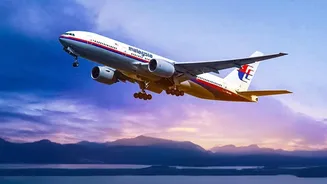
is scheduled to operate three times a week, beginning October 25, 2026, and running through March 26, 2027, just in time for the winter travel and holiday season. The direct flight will slash the journey to approximately 16 hours, a dramatic reduction from the 19 to 26 hours typical of current one-stop itineraries. Air India will be the only carrier operating this direct route, utilising an upgraded Boeing 777-300ER aircraft. This plane features a three-class configuration, including eight first-class suites, 40 business-class seats, and 280 in economy, along with onboard Wi-Fi.
The Direct Fare Breakdown
The central question for most travellers is cost. While official fares for the new route are dynamic, industry data provides a clear picture of what to expect. For direct flights on similar long-haul routes, off-peak economy round-trip tickets typically range from ₹85,000 to ₹1,10,000. However, during peak seasons like Diwali, Christmas, and summer holidays, these fares can easily surge to between ₹1,30,000 and ₹1,80,000 or more. For those seeking more comfort, premium economy on a direct flight can cost anywhere from ₹1,80,000 to ₹3,00,000, while business class tickets command a significant premium, often ranging from ₹3,50,000 to over ₹6,00,000. The key to securing the best price is booking well in advance, ideally 10 to 16 weeks before your travel dates.
How One-Stop Alternatives Compare
For years, travellers on this route have relied on connecting flights through hubs in the Middle East and Europe. Airlines like Emirates, Qatar Airways, Etihad, and Lufthansa are popular choices. The primary advantage of these routes is often the price. During off-peak months, a one-stop economy fare can be found for ₹75,000 to ₹95,000—potentially offering a saving of ₹10,000 to ₹15,000 compared to a direct flight booked at the same time. Even during peak travel times, one-stop options, which might cost between ₹1,15,000 and ₹1,55,000, can still be more budget-friendly than their non-stop counterparts. The trade-off, however, is significant. Total travel time balloons to anywhere from 19 to over 26 hours, including layovers that can range from a few hours to an entire day.
Beyond the Ticket: Valuing Convenience
A simple fare comparison doesn't tell the whole story. The premium for a direct flight buys more than just time; it buys convenience and peace of mind. A non-stop journey eliminates the stress of rushing to make a connecting flight, the risk of baggage being lost or delayed during transfers, and the hassle of navigating multiple airports. For families travelling with children, elderly passengers, or business travellers on a tight schedule, these benefits can be invaluable. The reduction in overall travel fatigue is another major factor. Arriving at your destination 5 to 10 hours earlier and feeling more rested can make a significant difference to the start of a vacation or a business trip. When weighing the options, it's essential to assign a personal value to this added comfort and efficiency.
Who Should Fly Direct?
The new direct service will appeal to a wide spectrum of travellers, but it will be particularly beneficial for specific groups. Business travellers, for whom time is money, will likely see the premium fare as a worthwhile investment for a quicker, more efficient journey. Families with young children and elderly passengers will find the simplicity of a non-stop flight far less daunting than a multi-leg itinerary. Furthermore, it will be a preferred choice for the large Indian diaspora in the Greater Toronto Area, especially those heading home for festivals or family events who wish to maximise their time with loved ones. Budget-conscious travellers, such as students or those with flexible schedules, may still prefer the cost savings of a one-stop flight, provided they are prepared for the longer travel duration.