








The Rise of the Hyper-Palatable Snack
Before we get to the math, it's important to understand why these bars are so appealing. Many are designed to be 'hyper-palatable'—a term for foods engineered with specific combinations of fat, sugar, and sodium to trigger the brain's reward system and encourage
overeating. These bars often use a combination of fat and simple sugars to create a highly desirable taste and texture that can override your body's natural fullness cues. This is why a bar marketed for fitness can feel as addictive as a dessert. They often lack the fiber and protein that help make you feel full, making it easy to consume excess calories and sugar without realizing it.
Step 1: Scrutinize the Nutrition Facts Panel
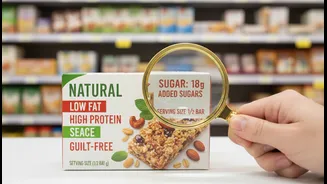
Your first stop is the nutrition label. Ignore the marketing claims on the front and turn the package over. Focus on two key lines under 'Total Carbohydrate': 'Total Sugars' and 'Includes Added Sugars'. 'Total Sugars' includes both naturally occurring sugars (like from fruit) and sugars added during processing. 'Added Sugars' is the number you really want to watch. This tells you how much sugar was deliberately put into the product. A high number here is a red flag. For reference, the recommended daily maximum for added sugars is about 30 grams for adults. Many so-called health bars can contain more than half that amount in a single serving.
Step 2: Decode the Ingredient List
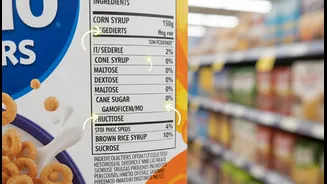
The ingredient list is where sugars hide in plain sight. Ingredients are listed by weight, so if a sugar appears in the first few spots, the bar is likely high in sugar. Manufacturers use dozens of different names for sugar to disguise how much is in a product. Be on the lookout for words ending in '-ose' like dextrose, fructose, sucrose, and maltose. Syrups are another common culprit, including corn syrup, high-fructose corn syrup, brown rice syrup, and malt syrup. Even seemingly 'natural' sweeteners like agave nectar, honey, maple syrup, and cane juice are still added sugars that contribute to the total load.
Step 3: Account for Sugar Alcohols
Here's where the 'label math' gets interesting. Many low-sugar or 'keto-friendly' bars use sugar alcohols to provide sweetness without listing sugar on the label. These compounds, with names like erythritol, xylitol, sorbitol, and maltitol, are hybrids of sugar and alcohol molecules. They have fewer calories than regular sugar and a smaller impact on blood sugar, which allows manufacturers to subtract them from the 'Total Carbohydrate' count to arrive at a low 'Net Carb' number. However, they aren't calorie-free, and some, like maltitol, can still raise blood sugar. They can also cause digestive issues like bloating and gas for many people, especially in the large quantities found in protein bars.
Putting It All Together: The True Sugar Tiers
To determine a bar's true sugar tier, you need to be a detective. First, check the 'Added Sugars' line. Then, scan the ingredient list for the many names of sugar. Finally, look for sugar alcohols.
Tier 1 (The True Health Bar): Has less than 5g of added sugars. The ingredient list is short and contains whole foods. Sweetness comes from natural sources like fruit, and if sugar alcohols are used, it's a small amount of a better-tolerated one like erythritol.
Tier 2 (The In-Betweener): Contains 5-10g of added sugars or relies heavily on sugar alcohols to keep the sugar number low. It might be a decent choice in a pinch, but it's a processed food, not a health food.
Tier 3 (The Candy Bar in Disguise): Boasts more than 10-15g of added sugar, or has sugar listed as one of the first few ingredients. These bars often have as much sugar as a standard chocolate bar, negating any benefits from the added protein.