


Dedicate a Prep Day
The most effective strategy for meal planning is to dedicate a specific time to it. For most students, Sunday afternoon is the perfect window to invest an hour or two in the kitchen. This doesn't have to be an elaborate, all-day affair. The goal is to front-load
the work. By washing, chopping, and cooking a few key components in advance, you eliminate the daily hassle of starting from scratch. Think of it as a favour to your future, more stressed-out self who will thank you on a busy Tuesday evening.
Wash and Chop Everything at Once
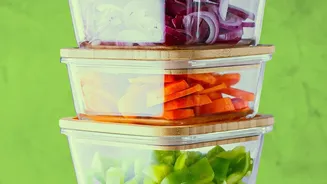
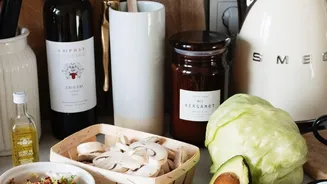
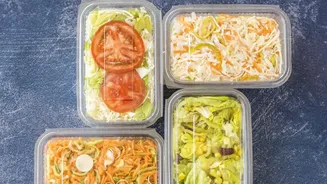
The most tedious part of cooking is often the preparation. Get it all out of the way in one go. Wash and dry all your produce as soon as you get it home. Then, chop vegetables like onions, bell peppers, carrots, and broccoli. Store them in airtight containers in the fridge. For vegetables like carrots and celery, storing them in water can keep them crisp. For others, lining the container with a paper towel helps absorb excess moisture and prevents them from getting slimy. This simple step means that when you need to make a quick stir-fry or salad, your ingredients are ready to go.
Batch Cook Grains and Legumes
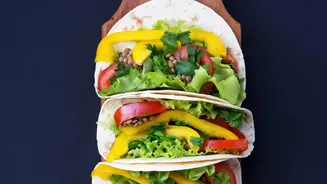
Grains and legumes are the affordable, high-protein foundation of many vegetarian meals. Cooking a large pot of rice, quinoa, lentils, or chickpeas at the start of the week is a game-changer. These can then be used in a variety of ways: as a base for grain bowls, added to salads for extra substance, mixed into soups, or used as a filling for wraps and burritos. Storing them in the fridge in a large container allows you to scoop out what you need for a quick and filling meal with minimal effort.
Roast a Big Tray of Veggies
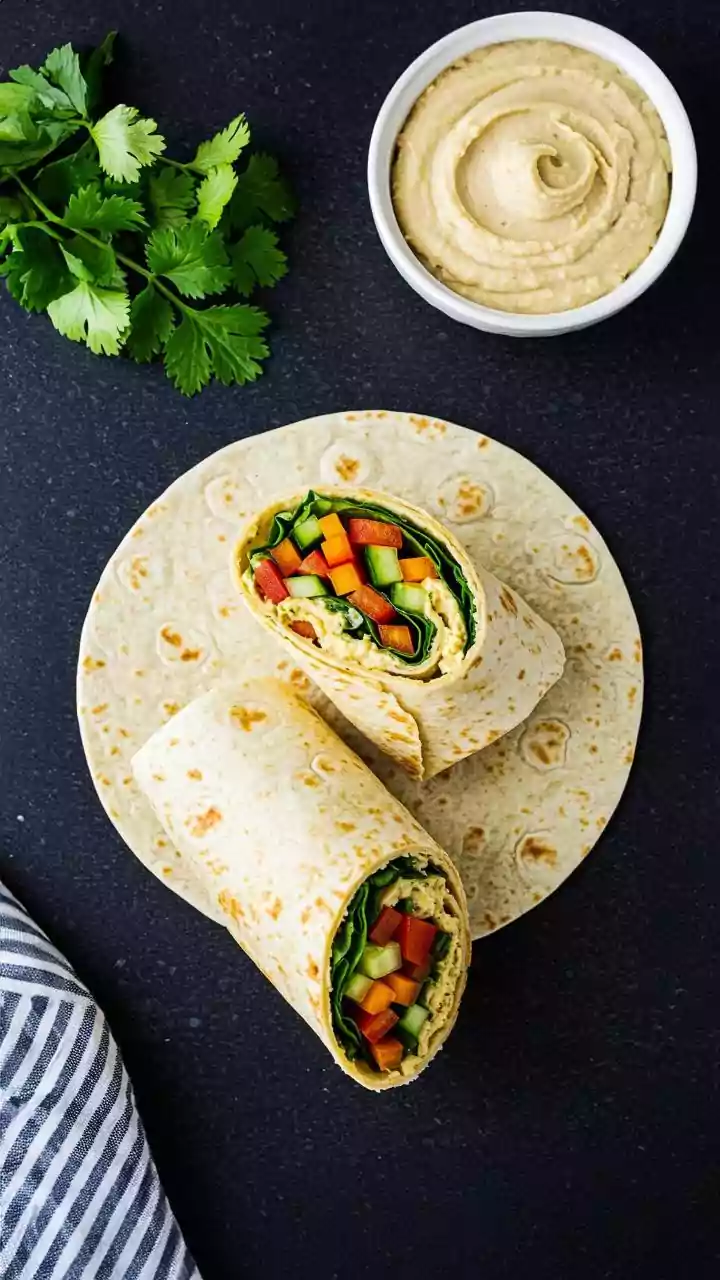
Roasting vegetables brings out their natural sweetness and makes them incredibly versatile. Toss chopped vegetables like sweet potatoes, cauliflower, broccoli, and zucchini with a bit of oil and your favourite spices, then roast them on a large sheet pan. Once cooked, these roasted veggies can be added to pasta, thrown into a wrap with some hummus, or served alongside a portion of your pre-cooked quinoa. They are delicious both warm and cold, making them a perfect addition to packed lunches.
Make-Ahead Sauces and Dressings
A flavourful sauce can instantly elevate a simple meal. Instead of relying on store-bought options that can be high in sugar and preservatives, whip up your own. A basic vinaigrette, a simple peanut sauce, or a quick tahini dressing can be made in minutes and stored in a jar in the fridge for the entire week. These can transform a plain bowl of grains and vegetables into a delicious and satisfying dish, preventing the flavour fatigue that can come with eating similar ingredients.
Embrace Your Freezer
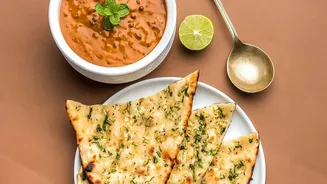
Your freezer is an invaluable tool for meal prepping. You can freeze portions of cooked meals like vegetarian chilli, lentil soup, or dal for a ready-made dinner on a night when you have zero time or energy to cook. You can also freeze prepped ingredients like chopped onions or bell peppers. Even leftover fresh herbs can be frozen in ice cube trays with a little water or oil. This reduces food waste and ensures you always have key components on hand for a home-cooked meal.