






The New National Mainstream
For decades, the Indian film landscape was straightforward: Hindi cinema, or Bollywood, set the national cultural agenda, while vibrant film industries in the Telugu, Tamil, Kannada, and Malayalam languages largely served their own regions. But that era
is decisively over. Today, some of the highest-grossing and most-talked-about films in India originate from the South. This reversal began gaining serious momentum with epics like the 'Baahubali' series, which proved that a Telugu production could smash box office records in every corner of the country. What followed was a wave of pan-Indian hits that have redefined the mainstream, with audiences in the Hindi heartland celebrating stars and stories from Bengaluru, Hyderabad, and Chennai as their own.
More Than Just Matching Words
The secret ingredient enabling this crossover is dubbing, but not the kind you might remember from late-night television. For years, dubbed South Indian films were a staple on satellite channels, often characterized by mismatched lip-sync and awkward, literal translations that provided more comedy than drama. That has changed dramatically. Production houses now see high-quality dubbing as a critical investment. They spend significantly on skilled voice actors who can capture the original star's emotion, and on scriptwriters who adapt dialogue with cultural and idiomatic nuance for the target audience. The goal is to make a Hindi-speaking viewer in Delhi or Lucknow forget they are watching a film originally shot in Telugu or Kannada. This dedication to quality localization is a key reason audiences can now connect emotionally with the characters and spectacle, rather than being distracted by a poor translation.
The OTT Platform Catalyst
The rise of Over-The-Top (OTT) streaming services like Netflix, Amazon Prime Video, and Disney+ Hotstar has acted as a massive accelerant for this trend. These platforms flattened the geographical barriers of film distribution, making a movie from any region accessible to anyone with an internet connection. During the pandemic lockdowns, audiences developed a voracious appetite for new content, and streaming services delivered a treasure trove of regional cinema, complete with subtitles and high-quality dubs. This created a habit and a taste for diverse storytelling. Viewers became familiar with different actors, filmmaking styles, and narratives, making them far more receptive to watching regional films in theatres once they reopened. OTT platforms effectively cultivated the pan-Indian audience that blockbusters are now catering to.
When Content Is Truly King
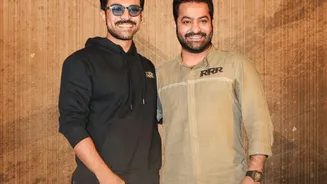
Of course, sophisticated dubbing and easy access would mean little if the films themselves weren't compelling. A major factor driving the success of South Indian cinema is the content itself. Many of these films offer a blend of high-concept storytelling, grand visual spectacle, and rooted, culturally specific narratives that feel fresh and authentic to audiences. Viewers across the country have responded to the 'mass action' films with their powerful punch dialogues and high-energy sequences, a genre that some felt was being underserved by contemporary Hindi cinema. From the raw intensity of 'K.G.F: Chapter 2' to the mythological grandeur of 'RRR', these films provide a theatrical experience that audiences are willing to pay for. They deliver spectacle and emotion that transcends language barriers.
A Shift in the Power Balance
The pan-Indian success of southern films is reshaping the entire industry. It’s no longer a one-way street where Bollywood ideas flow to other regions. Instead, we are witnessing the emergence of a truly integrated Indian film industry, where talent and stories move in all directions. Major South Indian production houses now plan for multi-language releases from day one, incorporating Hindi distribution and marketing into their core strategy. In response, Bollywood studios are also increasingly dubbing their films into Tamil and Telugu to tap into the lucrative southern markets. This has led to more collaborations between industries, creating a more diverse and competitive cinematic ecosystem. The result is not the end of Bollywood, but the rise of a 'Pan-Indian Cinema' where the origin language is secondary to the power of the story.