


Start With the Basics: Dark and Cozy
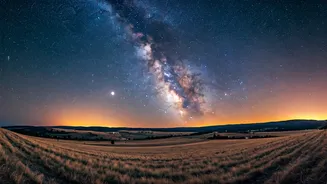
You don’t need a fancy telescope to start. The most crucial ingredient for stargazing is a dark sky. Urban and suburban light pollution can wash out all but the brightest stars and planets. Use a light pollution map online (like darksitefinder.com) to find a nearby
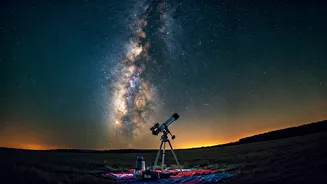
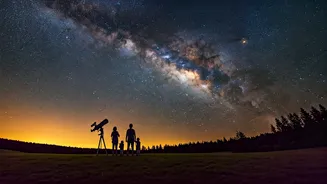
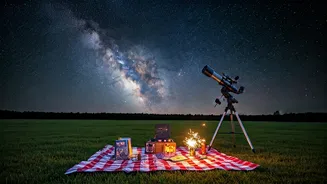
park, field, or quiet backroad with darker skies. Even your own backyard can work if you turn off all your house and porch lights. Give your eyes at least 15-20 minutes to fully adjust to the darkness; you'll be amazed at how many more stars pop into view. Pack blankets, pillows, and hot cocoa in a thermos to make the experience a cozy expedition rather than a chilly wait.
Let Technology Be Your Guide
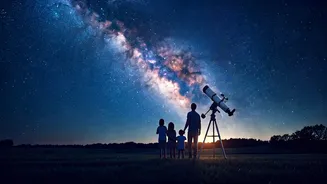
While the goal is to look up, a little screen time at the beginning can be a huge help. A good stargazing app is like having an astronomer in your pocket. Apps like SkyView Lite, Star Walk 2, or the NASA App use your phone's GPS and compass to create an augmented-reality map of the sky. Just point your phone at a bright object, and the app will identify it, whether it’s the planet Jupiter, the star Vega, or the Big Dipper. This simple tool can transform a sky full of random dots into a navigable map, giving kids (and adults) an immediate sense of discovery as they learn to name what they’re seeing.
Hunt for More Than Just Stars
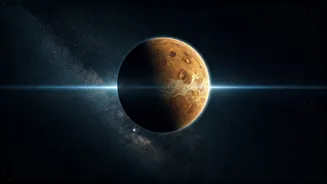
The night sky is dynamic. Before you go out, do a quick search for “what planets are visible tonight?” Seeing the steady, unwavering light of Venus, Mars, Jupiter, or Saturn is a different kind of thrill than spotting a star. You can also hunt for the International Space Station (ISS). NASA's 'Spot the Station' website tells you exactly when and where to look for the ISS as it silently glides across the sky—a bright, fast-moving point of light. It’s a powerful moment for kids to realize people are living and working in that dot of light orbiting Earth.
Plan Around a Celestial Event
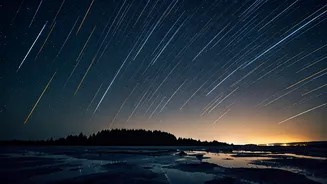
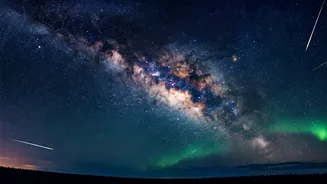
Build excitement by planning your outing around a specific event. Meteor showers are perfect for this. The Perseids in August and the Geminids in December are two of the most reliable and spectacular showers of the year, often producing dozens of “shooting stars” per hour at their peak. You don’t need any equipment, just a dark sky and patience. A full moon can be another great anchor for a night out. While it washes out fainter stars, its bright, detailed surface is a magnificent target for the naked eye or a simple pair of binoculars.
Tell the Stories in the Sky
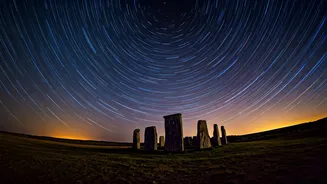
For thousands of years, humans have connected the dots in the sky to tell stories. Tapping into this tradition adds a layer of magic to stargazing. Before you head out, read a few of the Greek or Roman myths behind major constellations like Orion the Hunter, Cassiopeia the Queen, or Ursa Major (the Great Bear, which contains the Big Dipper). When you’re under the stars, find the constellation with your app and retell the story. This transforms the sky from a science lesson into a storybook, engaging kids’ imaginations and connecting them to a timeless human practice of finding meaning in the cosmos.
Consider Your First Piece of Gear
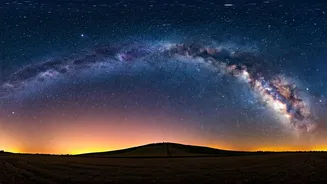
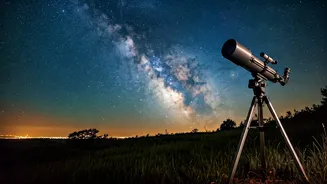
If your family gets hooked, a simple pair of binoculars is the best first investment—not a telescope. Any standard 7x50 or 10x50 binoculars will reveal startling detail on the moon's surface, show you the four largest moons of Jupiter, and make dense star fields in the Milky Way look like scattered diamonds. They are easy to use, portable, and far less intimidating than a complicated telescope. It’s a low-cost way to upgrade your view and deepen the sense of discovery without a steep learning curve or a major financial commitment.