






The High Cost of Cheap Furniture
For years, the furniture market has been dominated by what many call “fast furniture.” Much like its cousin in the fashion world, it's defined by low prices, trendy designs, and materials—like particleboard and plastic laminates—that are not built to
last. The business model encourages consumers to buy cheap, use for a short time, and discard when it breaks or when styles change. This cycle has a massive environmental footprint, with millions of tons of furniture ending up in landfills annually. But beyond the environmental toll, there's a growing recognition of the personal cost. Replacing a flimsy bookshelf or wobbly chair every one or two years adds up financially and creates a sense of instability. Consumers are beginning to question if the initial bargain is worth the long-term hassle and waste.
A Generation on the Move
This shift in mindset is strongly linked to the lifestyles of millennials and Gen Z. Unlike previous generations who might buy a home and furnish it for life, today’s young professionals are more mobile. They change jobs, cities, and apartments with a frequency that makes heavy, non-durable furniture impractical. Every move becomes a calculation: what’s worth paying to transport, and what will likely be damaged or left behind? This “nomadic” lifestyle demands flexibility, and people are starting to want furniture that can adapt with them, whether they are upsizing to a larger space or downsizing into a smaller one. The furniture is no longer just a static object in a room but a companion that needs to be as mobile as its owner.
The Rise of 'Move-Proof' Design
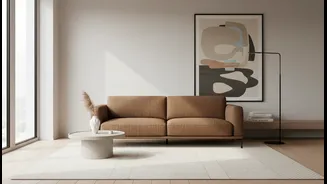
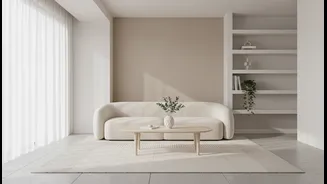
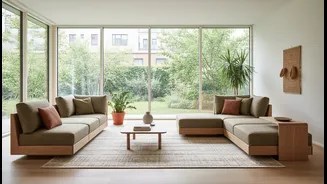
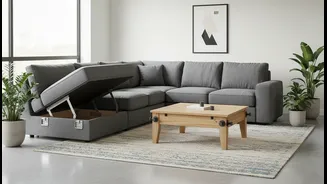
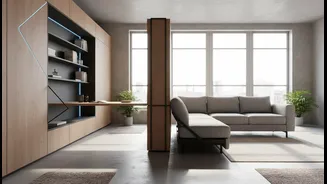
So, what does furniture designed to survive a move look like? The key is often modularity. Modular sofas, for example, can be broken down into smaller sections, making them easier to carry and reconfigure to fit a new living room layout. Another hallmark is the use of durable, yet lightweight, materials. Solid woods like pine, powder-coated steel, and strong fabrics are replacing cheap composites. Ease of assembly and disassembly is also crucial. Modern designs often feature clever joinery that allows for quick setup and breakdown without needing a complex toolbox or losing structural integrity. Foldable tables with built-in handles, stackable chairs, and collapsible bed frames are all part of this growing trend toward smarter, more portable living.
How Brands Are Responding
Furniture makers are taking notice. Some established brands and new startups are now explicitly marketing their products to frequent movers. IKEA, long a symbol of self-assembly furniture, recently launched its Kompishäng collection, a line of 11 lightweight pieces specifically designed for renters and students on the go. These items are made to be easily carried, fit into smaller spaces, and adapt to changing living situations. Other companies are focusing on high-quality modular designs that promise longevity and adaptability as a core feature. The selling point is no longer just style or a low price tag, but the promise of a long-term investment that won't need to be replaced after the next lease is up.
An Investment in Stability
Ultimately, the turn toward durable, movable furniture reflects a deeper desire for stability and sustainability. In a world of constant change, owning well-made items that last provides a sense of permanence. It’s a move away from a disposable culture toward one that values craftsmanship and longevity. Choosing a solid wood table that can be sanded and refinished, or a modular sofa that can grow with your family, is an investment. It costs more upfront, but it pays off by avoiding the cycle of replacement. This isn't just about practicality; it's about choosing fewer, better things that are meant to be kept, cared for, and carried with you into the future.