







The water from your tap looks clean, but its journey to your glass is a complex one. Behind the scenes, a rigorous system of lab testing is constantly at work, monitoring for invisible substances that could pose a risk to your health.
What Are These Invisible Risks?
While water treatment
is essential for eliminating harmful bacteria and viruses, the process itself can sometimes create new compounds. Additionally, water can pick up contaminants from the environment or from the pipes it travels through. These potential hazards fall into several categories, including disinfection byproducts like bromate, heavy metals, and other chemical residues. This is why simply looking at water isn't enough to confirm its safety; scientific analysis is required to detect these substances at microscopic levels. Regulatory bodies in India, like the Bureau of Indian Standards (BIS), set specific limits for these contaminants to protect public health.
The Deal with Disinfection Byproducts
To make water safe, suppliers use disinfectants like chlorine or ozone to kill pathogens. However, when these disinfectants react with naturally occurring organic matter in the source water, they can form what are known as disinfection byproducts (DBPs). Hundreds of different DBPs have been identified. The types and amounts that form depend on factors like the water source, temperature, and the specific treatment method used. Because some DBPs are linked to health concerns with long-term exposure, their levels are carefully monitored.
Explaining Bromate
Bromate is a specific DBP that can form when water containing natural bromide ions is disinfected with ozone. Ozone is a powerful and effective disinfectant, but this unintended reaction can create bromate. Long-term exposure to bromate in drinking water has been linked in animal studies to an increased risk of kidney and thyroid issues. Based on this evidence, the International Agency for Research on Cancer classifies it as a substance that is 'possibly carcinogenic to humans'. To mitigate this risk, both the World Health Organization and Indian authorities have set a strict limit for bromate in drinking water, typically at 10 micrograms per litre.
The Threat of Heavy Metals
Heavy metals are another group of contaminants that labs test for. Elements like lead, arsenic, mercury, and cadmium can enter water supplies from industrial and agricultural runoff, or by leaching from old plumbing and pipes. Unlike some other substances, heavy metals can accumulate in the body over time and are toxic even at low concentrations. Chronic exposure is linked to a range of serious health problems, including damage to the nervous system, organ damage, and developmental issues, with children being particularly vulnerable. Water quality standards in India, such as IS 10500, define the maximum acceptable limits for these metals to ensure public safety.
The Lab's Role in Ensuring Safety
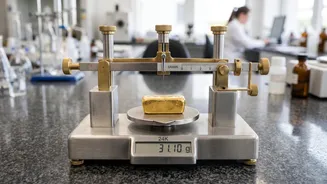
To ensure water complies with safety standards, samples are regularly collected and sent to accredited laboratories. In India, these labs are often accredited by NABL (National Accreditation Board for Testing and Calibration Laboratories), which ensures their methods are reliable and accurate. Using advanced equipment like spectrophotometers and chromatography systems, technicians conduct a battery of tests for physical, chemical, and microbiological parameters. They test for pH, turbidity, and hardness, as well as specific contaminants like heavy metals, pesticide residues, and byproducts like bromate. The results are then compared against the limits set by the Bureau of Indian Standards (IS 10500) to confirm the water's potability.