



The New Wave of Wellness
The reign of the classic cold coffee is facing a vibrant new challenge. Driving this change is a growing cohort of health-conscious Millennial and Gen Z consumers who view their beverage choices as an extension of their lifestyle. They are increasingly
swapping sugary, high-caffeine drinks for options that promise functional benefits, from sustained energy to antioxidant boosts. This quest for 'mindful sipping' has opened the door for two contenders: the electric green, Japanese-origin matcha, and the homegrown, nutrient-dense moringa. Both are making their way from niche wellness stores to the mainstays of trendy cafe menus across cities like Mumbai, Delhi, and Bengaluru.
Matcha: The Global Green Powerhouse
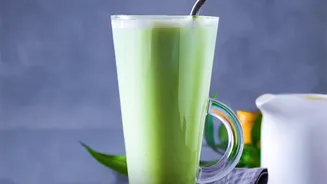
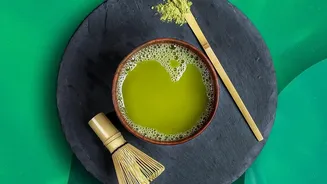
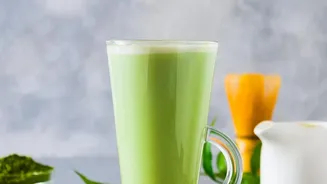
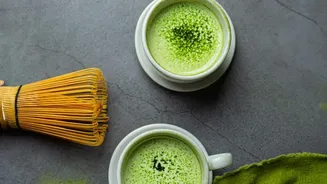
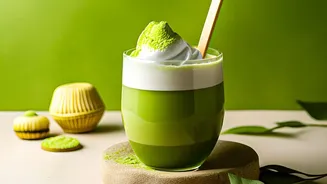
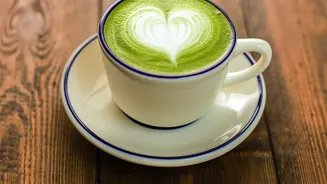
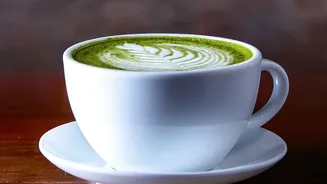
Matcha, a finely ground powder of specially grown green tea leaves, has a history rooted in Japanese tea ceremonies. Unlike regular green tea where you discard the leaves, with matcha you consume the entire leaf, getting a more potent dose of its nutrients. It’s celebrated for being rich in antioxidants, particularly EGCG (epigallocatechin gallate), which is believed to fight cellular damage. One of matcha's key selling points is its unique combination of caffeine and L-theanine, an amino acid. This pairing is said to provide a state of 'calm alertness', a sustained energy boost without the jittery spike often associated with coffee, making it a popular choice for those looking for focused productivity. Its distinct, slightly bitter, umami flavour and Instagram-worthy appearance have made matcha lattes and smoothies a fixture in urban cafe culture.
Moringa: The Local Hero Reimagined
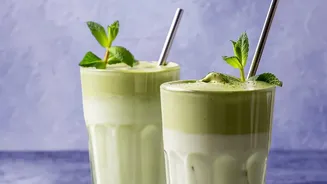
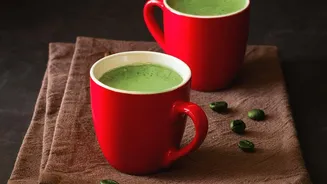
While matcha comes with global appeal, moringa—often called the 'drumstick tree' or 'miracle tree'—is a familiar powerhouse from India's own backyard. Used for centuries in Ayurvedic traditions, its leaves are packed with vitamins, minerals, and amino acids. Moringa is a natural source of nutrients like iron, calcium, and Vitamin C, which are crucial in many Indian diets. Traditionally consumed in home-cooked meals, moringa is now being creatively incorporated into artisanal cafe drinks. Offered as caffeine-free lattes or blended into wellness smoothies, it appeals to consumers looking for a purely nutritional boost. Its purported benefits include anti-inflammatory properties and support for digestive health. As a beverage, moringa offers a milder, earthier taste compared to matcha, positioning it as a gentle, restorative option.
Iced Coffee's Enduring Legacy
Despite the green wave, it's too early to write off iced coffee. Coffee culture in India has transformed from a simple morning habit into a massive lifestyle category. Especially among younger generations, cold coffee in its various forms—from cold brews to iced lattes and frappes—has become a year-round staple, not just a summer drink. The cafe boom itself was built on the back of coffee, and it remains a symbol of social connection, work, and comfort. Major brands continue to invest heavily in the cold coffee segment, which consistently sees double-digit growth. For many, the robust flavour and the immediate, powerful energy kick from a chilled coffee are irreplaceable. It is the default choice, the reliable companion for deadlines and social meet-ups.
A Clash of Tastes and Philosophies
The choice between these beverages is more than just about flavour; it's about the desired outcome. Coffee is the established champion of instant energy and productivity. Matcha offers a smoother, more focused 'calm-energy' buzz, appealing to the wellness-oriented multitasker. Moringa, on the other hand, stands apart as a caffeine-free, purely nutritional choice focused on long-term health benefits. This shift doesn't necessarily mean one will replace the other. Instead, cafe menus are expanding to reflect a more sophisticated consumer. The modern urban Indian patron wants options: a strong iced latte for a busy morning, a matcha for a focused afternoon, and a moringa blend for an evening wind-down. This trend highlights a move toward beverage 'wardrobing', where customers pick their drink based on their functional and emotional needs throughout the day.