




Embrace Quick-Drying Fabrics
The single most important rule for monsoon dressing is to avoid fabrics that hold water. This means heavy cottons and denim are your worst enemies; once wet, they stay damp, heavy, and uncomfortable for hours. Instead, build your wardrobe around materials
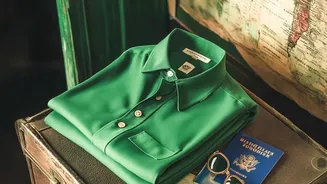
designed to dry quickly. Lightweight synthetics like polyester and nylon are excellent choices as they shed water and dry fast. For those who prefer natural fibres, linen is a top performer. Its hollow fibres pull moisture away from the skin and release it quickly. Light cottons (under 150 GSM), khadi, and rayon are also good options as they are breathable and don't cling when damp. These fabrics ensure that even if you're caught in a sudden downpour, you won't be shivering in wet clothes all day.
Choose Your Clothes Wisely
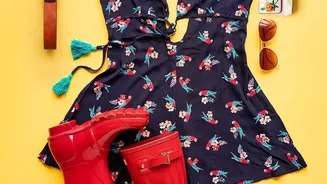
Beyond fabric choice, the style of your clothing matters. Think shorter hemlines to avoid dragging your clothes through puddles and mud. Capris, shorts, and knee-length skirts or dresses are far more practical than long trousers or maxis. Opt for darker colours or busy prints, which are more forgiving when it comes to hiding mud splashes. A high-quality, lightweight, and packable waterproof jacket or poncho is non-negotiable. Look for one that is breathable to prevent feeling sweaty in the high humidity. For travel in the hills or during cooler evenings, a thin fleece or wool layer is a smart addition, as temperatures can drop when it's wet.
Footwear Can Make or Break Your Trip
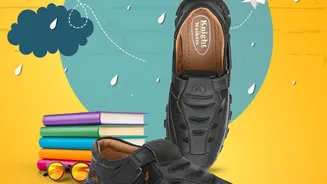
The wrong shoes can lead to discomfort, slips, and ruined footwear. Leather shoes are a definite no, as water can damage them permanently. Similarly, canvas sneakers and absorbent shoes become squishy and take ages to dry. The best choices are waterproof or water-resistant options with good grip. Rubber sandals, floaters, Crocs, and other PVC-based footwear are ideal. They don't absorb water, are easy to clean, and provide the necessary traction on slippery surfaces. For those who need more coverage, waterproof hiking shoes with a breathable membrane can keep your feet dry without causing them to overheat. It's also a good strategy to pack two pairs of shoes: one for wearing out in the rain and a dry pair to change into for evenings.
The Art of Waterproof Packing
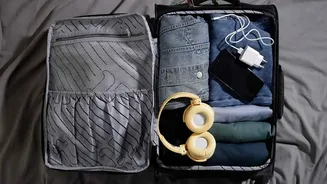
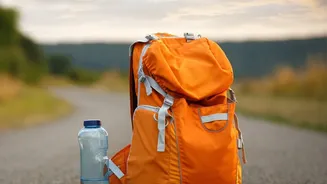
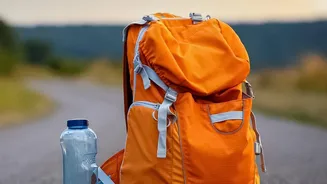
This is where the concept of wet and dry zones becomes crucial, not just for your destination but within your bag itself. A waterproof backpack or a durable bag with a rain cover is your first line of defence. Inside, compartmentalise everything. Use dry bags or even simple zip-lock pouches to protect your most vulnerable items. Electronics, travel documents like your Aadhaar card or passport, and any medications should be stored in a completely waterproof pouch. It is also wise to pack a separate bag or pouch specifically for isolating wet or muddy clothes and shoes from your clean, dry items. A few extra plastic bags always come in handy for this purpose.
Essential Monsoon Accessories
A few small items can make a huge difference in your comfort and safety. A strong, wind-resistant umbrella is a must-have for navigating cities. A quick-drying microfibre towel is far more practical than a standard cotton one, as it dries in a fraction of the time. Given the high humidity and potential for power cuts, a portable power bank is essential to keep your devices charged. Finally, the monsoon season often brings an increase in mosquitoes and other insects, so a reliable insect repellent is a crucial part of your travel kit. Antifungal powder can also be a lifesaver in a climate that promotes dampness.