




The Reawakened Jungles
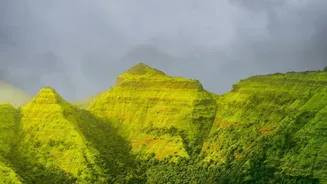
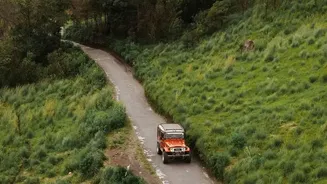
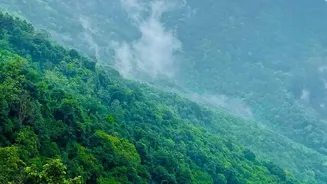
Many of India’s premier national parks reopen their gates in October after the monsoon, and the experience is nothing short of magical. The forests, having absorbed months of rain, are lush, dense, and intensely green. Waterholes are full, and the dust
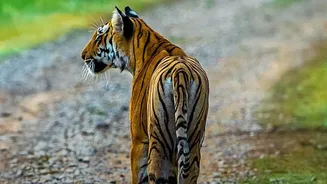
has settled, offering crisp, clear air for safaris. It is a prime time for wildlife sightings as animals are more active in the pleasant weather. Parks like Bandhavgarh and Kanha in Madhya Pradesh, famous for their tiger populations, become particularly stunning. In the south, Periyar National Park in Kerala offers boat safaris on the lake, where you can spot elephants and a rich variety of birds against a backdrop of rejuvenated greenery. The post-monsoon period provides a comfortable climate for exploration before the peak winter crowds arrive.
The Thundering Cascades
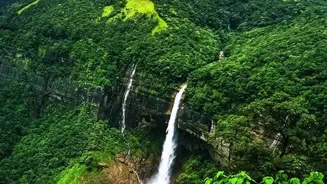
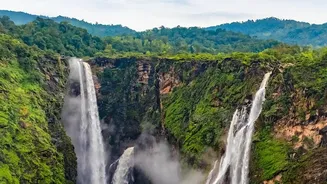
Waterfalls across the country, fed by the generous monsoon, are at their most spectacular during this season. Goa's Dudhsagar Falls, whose name translates to "Sea of Milk," is a formidable four-tiered cascade that roars to life. Similarly, Jog Falls in Karnataka, one of India's highest, puts on a powerful display as the Sharavathi River plunges into the gorge below. For those venturing to the northeast, Meghalaya offers a breathtaking spectacle. Waterfalls like Nohkalikai and the Seven Sisters (Nohsngithiang Falls) are at their peak, plunging into turquoise pools amidst the misty Khasi hills. The sheer volume and force of these waterfalls post-monsoon make them a must-see, offering a dramatic display of nature's power.
A Carpet of Wildflowers
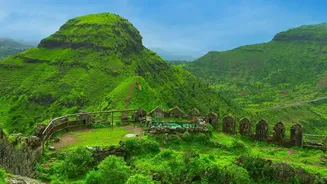
One of the most enchanting post-monsoon phenomena is the blooming of entire valleys and plateaus. The Kaas Plateau in Maharashtra, a UNESCO World Heritage site, transforms into a vibrant carpet of over 850 species of wildflowers between August and October. The exact timing of the peak bloom depends on the year's rainfall, but September and early October are often the best times to witness this floral spectacle. Further northeast, the Dzukou Valley, on the border of Nagaland and Manipur, is another paradise for trekkers. While its famous Dzukou Lily blooms during the monsoon, the post-monsoon months of October and November offer clear skies, pleasant trekking conditions, and rolling green meadows that are still dotted with various blooms.
Heritage Against a Green Canvas
Even historical destinations take on a new charm after the rains. The ancient ruins of Hampi in Karnataka, set against a backdrop of golden-green paddy fields and a flowing Tungabhadra River, are a sight to behold. The heat has subsided, making it ideal for exploring the vast temple complexes and boulder-strewn landscapes. In central India, the town of Orchha in Madhya Pradesh offers a similar appeal. Its magnificent palaces, temples, and cenotaphs, washed clean by the rain, stand out dramatically against the lush surroundings and the swollen Betwa River. The soft post-monsoon light creates a perfect setting for photography, making these heritage sites feel both timeless and vibrantly alive.
The Tranquil Backwaters and Hills
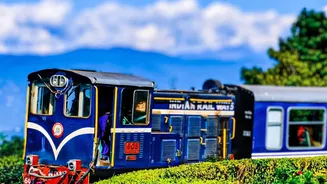
The post-monsoon season is also an ideal time to explore India's serene hill stations and backwaters. In Kerala, destinations like Munnar and Wayanad are exceptionally beautiful, with verdant tea gardens shrouded in mist and waterfalls in full flow. The Kerala backwaters are replenished, making houseboat cruises a peaceful and picturesque experience. In the Western Ghats, hill stations like Coorg and Kodaikanal are lush and inviting, their coffee plantations and forests smelling fresh after the rains. This period offers the beauty of the monsoon landscape without the constant downpours, providing a perfect balance for a relaxing getaway.