







Beyond the Tourist Trail
A food-focused journey fundamentally changes your travel map. Instead of hopping between major monuments, you might find yourself navigating the labyrinthine alleys of Old Delhi for the perfect plate of chole bhature, visiting a spice warehouse, or sharing
a meal at a Sikh temple. This approach encourages you to venture into local markets, neighbourhood eateries, and family kitchens—places where daily life unfolds. Travellers are increasingly seeking these authentic experiences, moving away from conventional sightseeing towards something more immersive. A culinary lens doesn't mean skipping the Taj Mahal; it means you might end your day learning to cook a Mughlai meal in Agra, adding another layer to your understanding of the region's history.
History and Culture on a Plate
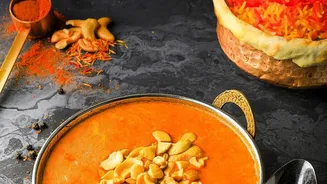
Every Indian dish tells a story of its origins, shaped by thousands of years of history, geography, trade, and religion. The rich, creamy, dairy-heavy dishes of North India, like Butter Chicken and Rogan Josh, carry the influence of the Mughal Empire. Travel south to Kerala, and the cuisine transforms, featuring coconut, tamarind, and fresh seafood that speaks to its coastal geography and history as a centre of the spice trade. In Goa, you can taste the colonial past in dishes like Vindaloo, which has Portuguese roots. Following food trails allows you to physically trace these cultural exchanges, turning your meals into delicious history lessons. Food is a way to understand the complexities of Indian identity and its interaction with the world.
Every State a New Culinary Country
It's a common mistake to think of "Indian food" as a single entity. In reality, the country holds dozens of distinct regional cuisines, and crossing a state border can feel like entering a new culinary world. Bengal is famed for its mustard oil-based fish preparations and delectable sweets like rasgulla. Gujarat offers a predominantly vegetarian thali with a unique sweet and savoury balance, featuring snacks like dhokla. A trip through Rajasthan introduces you to dishes born of a hot, arid climate, using hardy grains and lentils. This incredible variety means a food-led trip is never monotonous; it’s a continuous journey of discovery, from the steamed momos of Sikkim to the fiery Chettinad chicken of Tamil Nadu.
The Universal Language of Food
Food is a powerful connector, creating bonds that transcend language barriers. Sharing a meal, learning a family recipe in a homestay, or even just buying street food from a vendor opens doors to genuine human interaction. In Indian culture, mealtime is a cherished event, and offering food is a primary expression of hospitality. Engaging with local food culture helps support local producers, farmers, and small businesses, contributing directly to the local economy. These interactions—a conversation about the spice blend in a chai, a lesson in making the perfect dosa, or a shared laugh over a plate of pani puri—often become the most treasured memories of a trip.
How to Plan Your Culinary Adventure
Getting started is easier than you might think. Many cities like Delhi, Mumbai, Kolkata, and Bangalore offer guided street food walks that provide a safe and delicious introduction to local specialities. These tours are often led by locals who can point you to the best, most hygienic vendors. For a deeper dive, consider booking a homestay that offers cooking classes, allowing you to learn regional techniques firsthand. Numerous travel companies now specialize in culinary tours that structure entire itineraries around food, from exploring tea plantations to farm-to-table dining experiences in former royal palaces. Whether you book a formal tour or simply decide to be adventurous at mealtimes, prioritising food will reward you with a richer, more flavourful understanding of India.