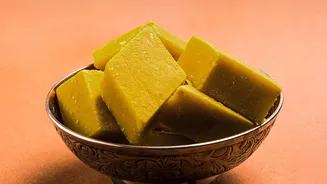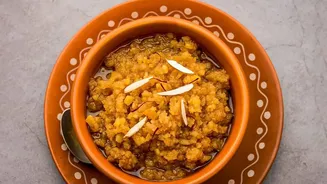


The Taste of Tradition
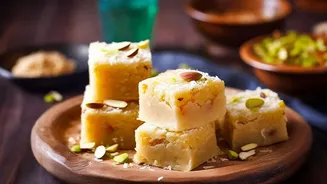
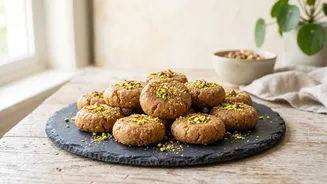
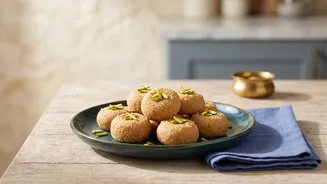
Mathura Peda is more than just a sweet; it's a taste of Braj's rich dairy culture and a beloved offering to Lord Krishna. Its fame is so widespread that the name 'Mathura' itself has become a brand for this specific type of peda. Unlike other smoother,
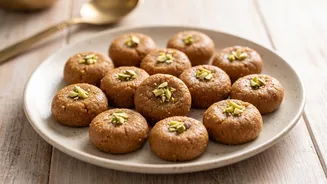
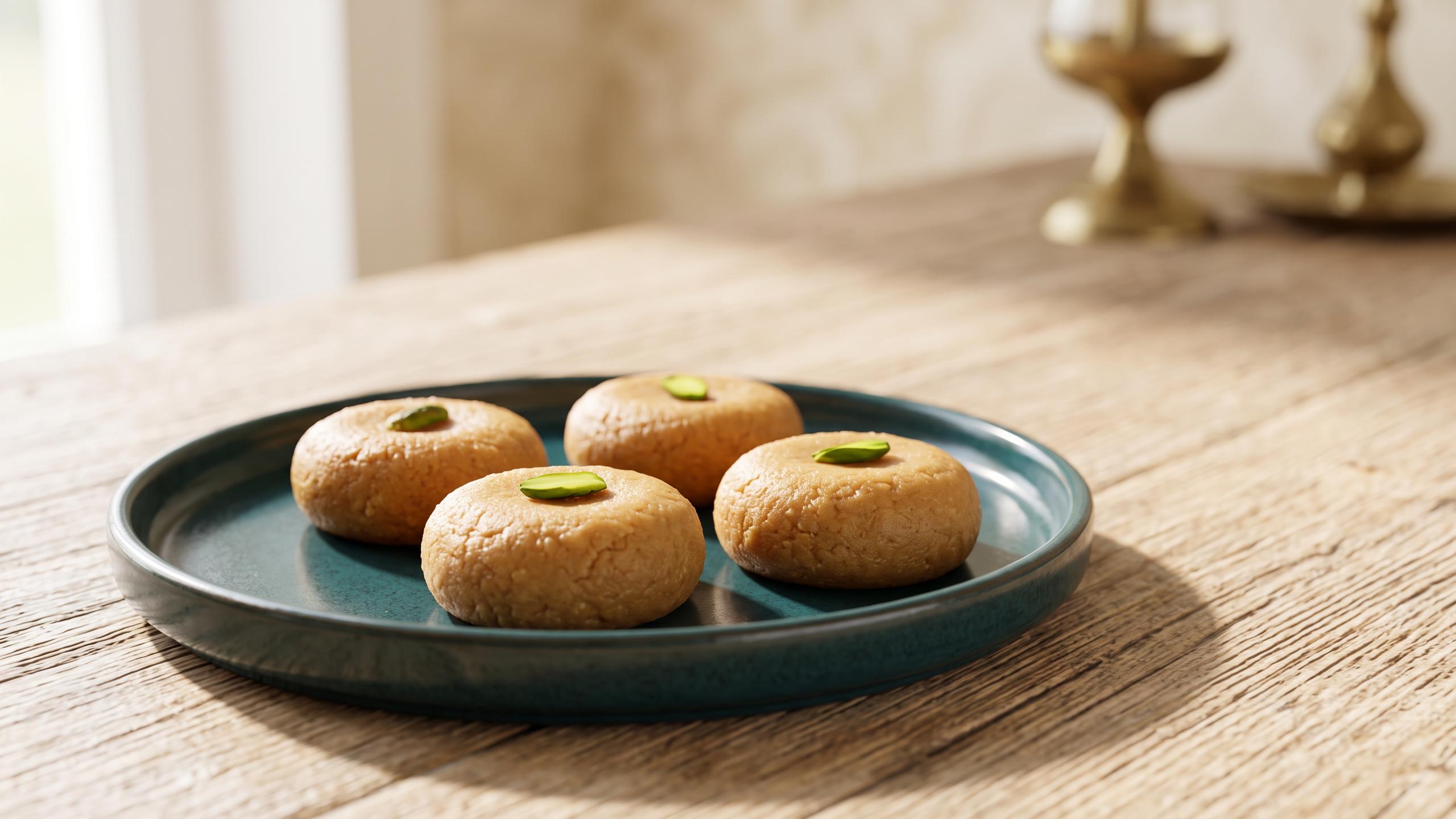
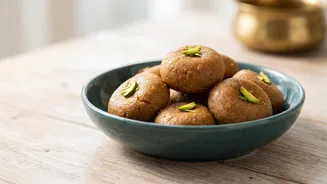
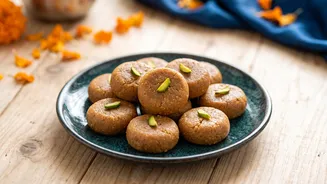
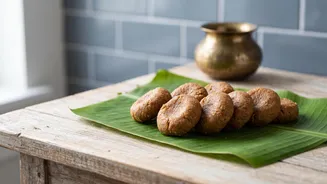
whiter pedas, the Mathura variety is known for its distinctive brownish hue and a slightly grainy, crumbly texture. This unique character comes from the traditional method of slowly cooking khoya (milk solids), which allows the milk sugars to caramelize, developing a deep, rich, and nutty flavour. It's this patient cooking process that transforms simple ingredients into a confection worthy of a festival.
Gathering Your Ingredients
The beauty of Mathura Peda lies in its simplicity. You only need a few core ingredients, but their quality is key. The star of the show is khoya, also known as mawa. For the most authentic taste, use fresh, soft khoya. If store-bought, ensure it's made from full-fat milk. You can also make khoya from scratch by slowly simmering full-fat milk until only the solids remain. Here’s what you’ll need: - Khoya (Mawa): 2 cups (around 250 grams), grated or crumbled - Ghee: 2-3 tablespoons - Sugar: ½ cup of 'bura' or 'tagar' (a type of unrefined powdered sugar) is traditional for the best texture, but finely powdered regular sugar will also work. - Cardamom Powder: ½ teaspoon - Nutmeg Powder: A pinch (optional, but adds authentic flavour) - Extra powdered sugar for coating
The Step-by-Step Method
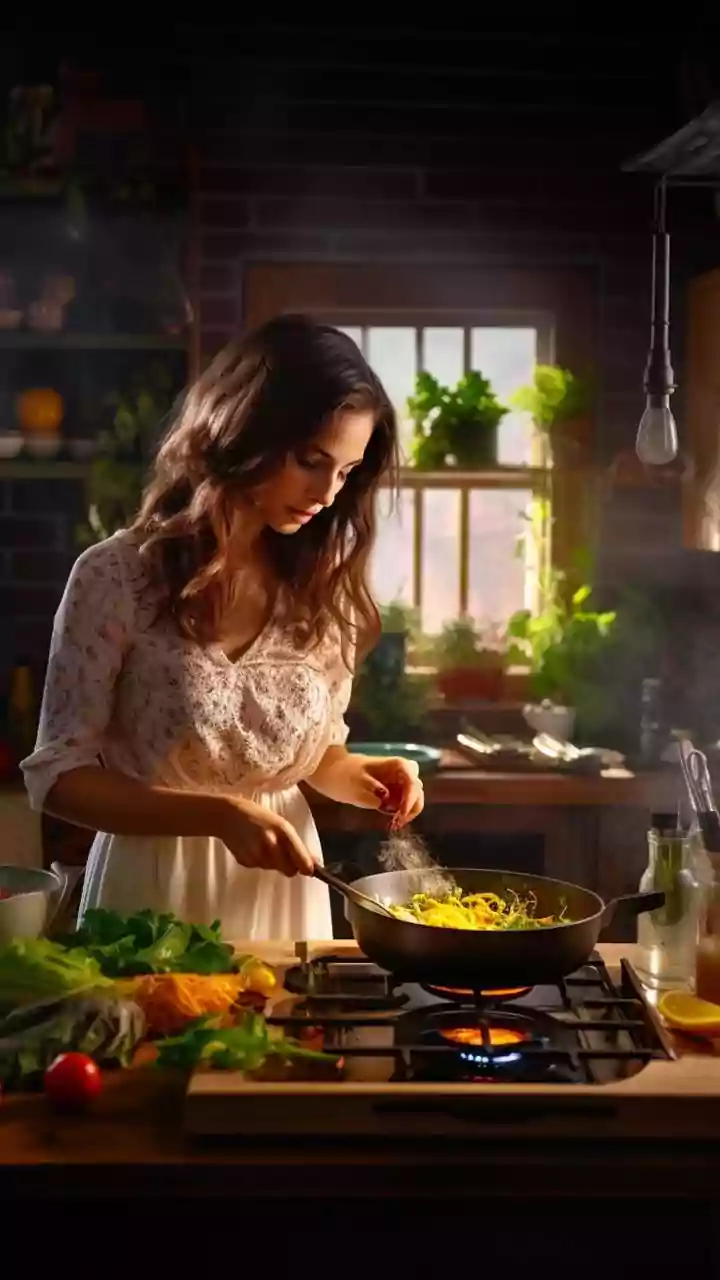
Patience is the secret ingredient in this recipe. The key is to roast the khoya slowly and evenly to develop its signature colour and aroma. 1. In a heavy-bottomed, non-stick pan, add the grated khoya. Begin to roast it on a low-medium flame, stirring continuously. 2. As the khoya warms up, it will start to melt and loosen. After about 5 minutes, add 1 tablespoon of ghee and continue stirring. The ghee prevents sticking and adds richness. 3. Continue to cook, stirring constantly and scraping the sides of the pan. The mixture will slowly change colour from white to a light golden brown. This process can take 20-30 minutes. Don't rush it by increasing the heat, as the khoya can burn easily. 4. Once the khoya reaches a uniform dark brown colour and releases a nutty aroma, turn off the heat. Immediately mix in the cardamom powder and nutmeg powder, if using. 5. Let the mixture cool down in the pan for about 15-20 minutes. It should be warm, but not hot, to the touch. If you add sugar while the mixture is too hot, it will melt and become watery.
Shaping and Finishing Touches
Once the mixture has cooled to a manageable temperature, it's time to shape the pedas. 1. Add the powdered sugar (bura/tagar) to the cooled khoya mixture. Mix everything thoroughly with your hands until the sugar is well incorporated and the mixture is crumbly but can be bound together. 2. If the mixture feels too dry to bind, you can add a few drops of milk or a little more ghee. 3. Take a small portion of the mixture and press it firmly between your palms, then roll it into a ball. The traditional shape of Mathura Peda is often irregular or disc-like, so don't worry about making them perfectly round. 4. Gently flatten the ball and create a small indentation in the center with your thumb. 5. Roll the shaped peda in some extra powdered sugar to coat it lightly. 6. Place the finished pedas on a plate to set. They can be served immediately or stored in an airtight container.
Tips for Perfect Pedas Every Time
- Use a Heavy-Bottomed Pan: This is crucial for preventing the khoya from burning and ensuring it cooks evenly. A non-stick pan works best. - Low and Slow is the Way to Go: The deep brown colour comes from caramelization, not burning. Maintain a low to medium flame throughout the roasting process. - Stir Continuously: Do not leave the khoya unattended, especially as it starts to thicken and brown. Constant stirring prevents it from sticking to the bottom of the pan. - Cool Before Adding Sugar: This is a critical step. Adding sugar to hot khoya will make the mixture watery and difficult to shape. - Texture is Key: Authentic Mathura peda has a slightly grainy, not perfectly smooth, texture. Using 'bura' or 'tagar' sugar helps achieve this.