

The Search for Quiet Spaces
For years, the goal of a holiday was to see the famous sights, but a growing fatigue with over-tourism is changing that mindset. Popular destinations often mean long queues, traffic jams, and shoulder-to-shoulder crowds, which detracts from the very relaxation
that travel is supposed to offer. Today’s savvy traveller understands that the best experiences often lie away from the masses. They are consciously skipping the overrun hill stations and beaches in favour of places where they can breathe, explore at their own pace, and connect with their surroundings. This shift isn’t just about avoiding frustration; it’s a deliberate move towards more mindful and personal journeys. Destinations once considered secondary are now primary choices for those seeking peace, from the tranquil river island of Majuli in Assam to the serene beaches of Gokarna in Karnataka.
A Deeper Connection to Culture
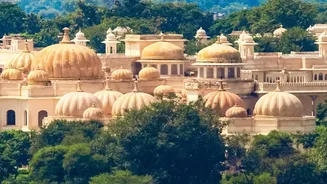
Recent reports show a significant trend: a majority of Indian travellers now prioritise cultural and historical experiences when planning their trips. This goes beyond surface-level sightseeing. The new desire is for immersion—to understand the soul of a place. This has fueled the rise of experiential travel, where the stay itself is the destination. Travellers are choosing restored havelis in Rajasthan, planters' bungalows in Coorg, and family-run homestays in Kerala's backwaters. These accommodations offer more than just a bed; they provide a window into local life, complete with regional home-cooked meals, stories from hosts, and a genuine sense of place. This trend also extends to trip timing, with many planning holidays around unique cultural festivals like the Lathmar Holi in Barsana or Onam in Kerala to witness authentic traditions firsthand.
The Compelling Math of Value
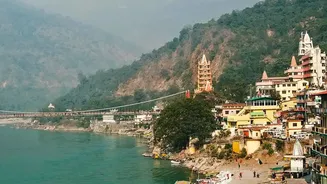
Smaller destinations offer a powerful, practical advantage: they are significantly easier on the wallet. In a time of rising costs, getting more for your money is a major motivator. Offbeat locations often provide accommodation, food, and local activities at a fraction of the price of their more famous counterparts. A trip to Hampi, with its stunning ruins, or Rishikesh, the yoga capital, can be done on a surprisingly small budget, with affordable rooms and cheap, delicious local food. This economic benefit allows for longer, more frequent, or more enriching trips. Instead of a short, expensive burst in a major tourist hub, travellers can afford to spend a week exploring a region, supporting local economies directly and returning home with a richer set of memories without financial strain.
Your Next Adventure Awaits
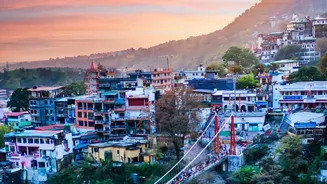
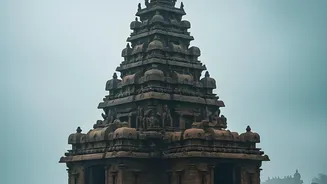
This movement is opening up the map of India in exciting new ways. In the north, Himalayan hamlets in Uttarakhand and Himachal Pradesh like Tirthan Valley and Chopta offer trekking and solitude. In the east, Arunachal Pradesh's Ziro Valley provides a unique glimpse into the Apatani tribal culture amidst lush rice paddies. Down south, the French-colonial charm of Pondicherry, the heritage towns of Chettinad in Tamil Nadu, and the quiet coastal beauty of Karnataka offer distinct flavours. Even states known for major attractions, like Rajasthan, are being rediscovered through their smaller towns like Bundi and Pushkar, which are rich in history but free from overwhelming crowds. The options are vast, proving that the most memorable trips often lie just off the beaten path.