







Why the Monsoon Means Delays
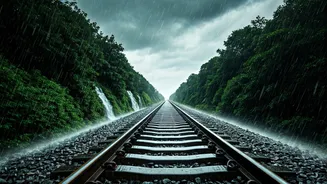
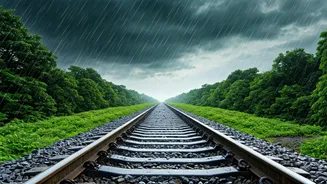
The Indian monsoon, while bringing life-giving rains and stunning green landscapes, poses significant challenges for the country's vast railway network. Heavy rainfall can lead to waterlogging on tracks, especially in low-lying urban and rural areas.
In hilly regions, the risk of landslides and mudslides increases dramatically, potentially blocking tracks and compromising safety. To mitigate these risks, Indian Railways often implements precautionary measures. These include imposing speed restrictions in vulnerable sections, which slows down trains and extends journey times. For instance, recent heavy rains have slowed train movement by 20-25 minutes across parts of the Western, Central, and East Coast Railways. While these actions are crucial for passenger safety, they are a primary cause of the cascading delays that can disrupt travel schedules.
The Konkan Railway: A Case Study in Monsoon Management
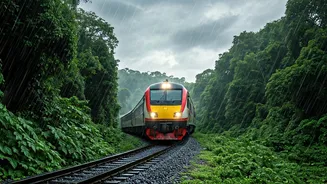
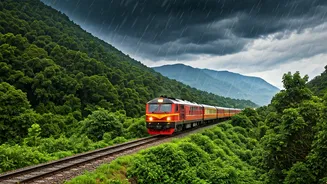
Perhaps no route is more synonymous with monsoon travel than the Konkan Railway, which connects Mumbai with Goa and Mangaluru. Famed for its breathtaking scenery through the Western Ghats, it is also one of the most geographically challenging routes during the rains. To ensure safe operations, the Konkan Railway implements a special monsoon timetable annually, typically from mid-June to late October. This schedule involves reduced train speeds, especially on vulnerable stretches, and changes in the frequency of popular services, including the Vande Bharat and Tejas Express. As of June 2026, Central Railway announced revised timings for dozens of trains on this route, with some services shifting from daily to tri-weekly operations to manage the risks. These proactive adjustments are designed to prevent incidents but mean that travellers must check schedules carefully.
Planning Your Monsoon Getaway: A Traveller's Checklist
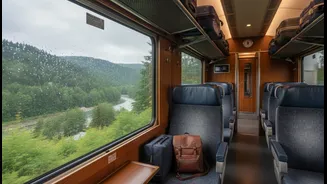
Despite the potential for delays, a monsoon train journey can be a magical experience, offering views of lush landscapes and cascading waterfalls. Smart planning is the key to enjoying it without the stress. First, always check the live running status of your train using the National Train Enquiry System (NTES) or other railway apps before you leave for the station. Given the unpredictability, building extra time into your itinerary is a wise move. If your weekend getaway is short, a significant delay could derail your plans entirely, so consider adding a buffer day. When packing, think practically: waterproof bags for electronics and documents are a must. Also include a light raincoat, appropriate footwear with good grip for slippery platforms, and some snacks and water in case your journey takes longer than expected.
When Delays Turn to Cancellations
In cases of extreme weather, delays can escalate to cancellations. Severe rainfall can cause major disruptions, such as the landslide in the Bhor Ghat section between Mumbai and Pune in July 2026, which led to the cancellation, diversion, or short-termination of nearly 120 train services. In such events, railways may arrange buses for stranded passengers, but having a backup plan is always advisable. Before booking, consider the flexibility of your tickets and the cancellation policy. For critical trips, it might be worth exploring alternative routes that are less prone to monsoon disruptions or even other modes of transport as a contingency.