




The Stress-Shed Connection
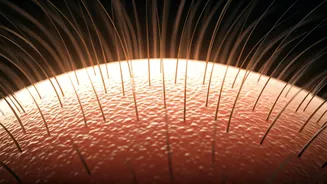
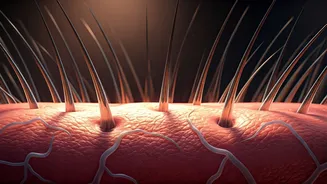
That sinking feeling when you notice your hair thinning is not just in your head. Significant emotional or physical stress is a well-documented trigger for a type of hair loss called telogen effluvium. Normally, about 85% of your hair is in a growth phase
(anagen) and a smaller portion is in a resting phase (telogen), after which it sheds. When your body undergoes a major stressor—like a severe illness, surgery, or intense emotional trauma—it can push a large number of hairs prematurely into the resting phase. The result is noticeable, diffuse shedding that typically occurs about three months after the stressful event. This isn't the same as alopecia areata, which causes distinct bald patches; telogen effluvium is characterized by an overall thinning. While distressing, the good news is that this condition is usually temporary, and hair typically starts to regrow once the stressor is managed.
The Rise of 'Skinification' for Hair
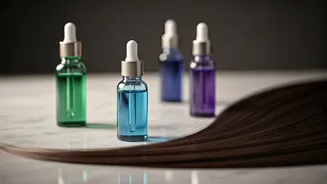
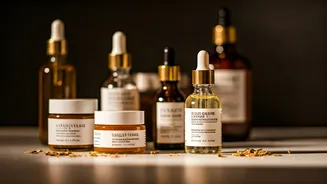
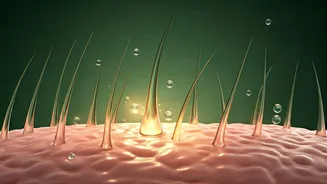
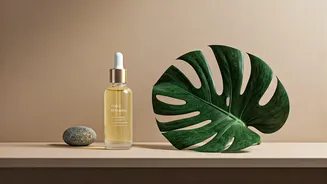
The collective anxiety over hair fall has fueled a new movement in beauty: the 'skinification' of hair. This trend treats the scalp as an extension of your facial skin, recognizing that a healthy scalp is the foundation for healthy hair. For decades, haircare focused on cosmetic fixes for the hair strands—shine, smoothness, and volume. Now, the industry is pivoting to root-level care. Consumers are becoming more knowledgeable about ingredients and are seeking scalp-care products with active ingredients traditionally found in skincare. You'll now find scalp serums, exfoliants, and masks formulated with hyaluronic acid for hydration, salicylic acid for exfoliation, and peptides and niacinamide to support the scalp's barrier. This shift reflects a move away from temporary solutions toward long-term, preventative health for your hair.
Building a Scalp-First Routine
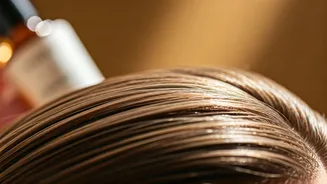
Creating a scalp-focused routine doesn't have to be complicated. It starts with understanding your scalp's needs—is it oily, dry, or sensitive? For most, regular cleansing is key to remove the buildup of oil, dead skin cells, and products that can clog follicles. Experts suggest shampooing every one to three days, depending on your hair type. Once or twice a week, consider using a gentle scalp exfoliant—either a physical scrub or a chemical one with ingredients like salicylic acid—to deep clean the scalp. A regular scalp massage, either with your fingertips or a silicone massager, can also help by boosting blood circulation to the follicles. Finally, targeted treatments like scalp serums can deliver concentrated ingredients to address specific concerns like dryness, oiliness, or follicle nourishment.
Beyond Products: Managing the Root Cause
While a dedicated scalp care routine can create the optimal environment for hair growth, it's crucial to address the underlying cause of stress-related hair fall. High levels of the stress hormone cortisol can disrupt the hair growth cycle, so finding effective ways to manage stress is non-negotiable for long-term hair health. This could include mindfulness practices, regular exercise, ensuring adequate sleep, or speaking with a professional. Nutrition also plays a vital role. Deficiencies in key nutrients like iron, zinc, and B vitamins can contribute to hair shedding. A balanced diet rich in these nutrients supports not only your overall well-being but also the health of your hair follicles. Addressing both the internal stressors and the external scalp environment provides a comprehensive approach to managing hair fall anxiety and promoting healthy regrowth.