


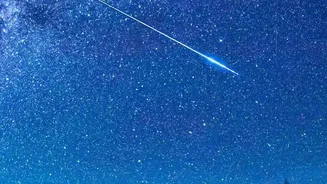
The Main Event: The Perseid Meteor Shower
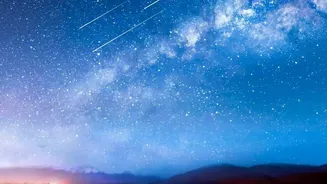
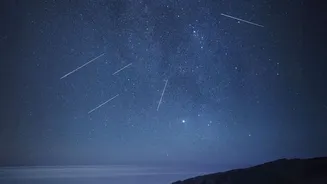
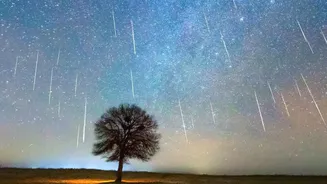
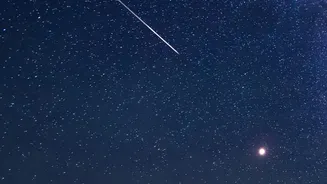
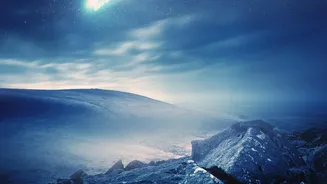
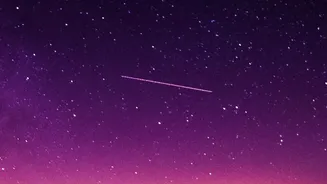
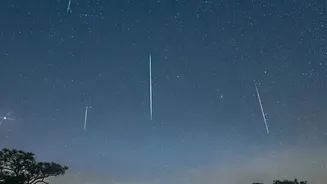
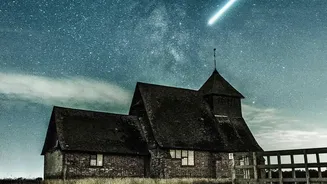
The main attraction this August is the annual Perseid meteor shower, which is expected to peak on the nights of August 12 and 13. This shower is a favourite among stargazers because it can produce between 50 and 100 fast, bright meteors per hour under
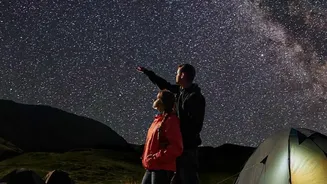
perfect conditions. These 'shooting stars' are actually tiny debris particles left behind by Comet Swift-Tuttle, which burn up as they enter Earth's atmosphere at high speed. Adding to the ideal conditions, the 2026 peak coincides with a new moon, meaning the sky will be dark and free from moonlight, making even fainter meteors visible. The best viewing time in India is expected to be in the pre-dawn hours, roughly between 2:00 AM and 4:30 AM on August 12 and 13, when the shower's radiant point in the constellation Perseus is high in the sky.
The Uninvited Guest: Monsoon Clouds
While the astronomical conditions are nearly perfect, the weather on the ground presents a significant challenge. August is peak monsoon season across most of India, and a thick blanket of clouds is the ultimate showstopper for any astronomical event. Even if it isn't actively raining, dense cloud cover can completely obscure the night sky, rendering any trip to a dark-sky location pointless. This is the critical reason for the warning: travelling hundreds of kilometres only to be met with an overcast sky can be a huge disappointment. The success of your viewing trip will depend almost entirely on finding a pocket of clear sky.
Your Sky-Watching Toolkit: How to Check Cloud Cover
Fortunately, we have more tools than ever to predict cloud cover with reasonable accuracy. Don’t just check for rain; you need a specific cloud forecast. Start with the official source, the India Meteorological Department (IMD), and its 'Mausam' app. For more detailed, astronomy-focused forecasts, several websites and apps are indispensable for serious planners. Websites like Clear Outside and apps like Astrospheric provide hour-by-hour predictions for low, medium, and high-level clouds, as well as 'seeing' and transparency conditions. Another powerful tool is Windy.com, which offers visual satellite maps of cloud movements, allowing you to see if a clear patch is headed your way. Check these resources multiple times in the days leading up to your trip and even on the day itself, as monsoon weather can be highly unpredictable.
Strategic Travel: Where to Go for a Better Chance
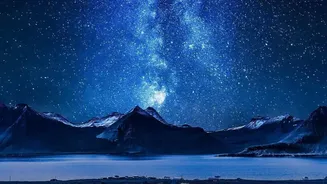
If you are determined to travel, your best bet is to head towards regions that are known as rain-shadow areas, as they receive significantly less monsoon rainfall. The high-altitude cold deserts of Ladakh and Spiti Valley in Himachal Pradesh are widely considered India's premier stargazing destinations for this very reason, offering a high probability of clear skies in August. Hanle in Ladakh, home to India's first Dark Sky Reserve, is perhaps the best possible location in the country. Other potential options include the arid desert expanses of Western Rajasthan, near Jaisalmer, and the Rann of Kutch in Gujarat, which largely avoid the main monsoon systems. Even in these locations, clear skies aren't guaranteed, so booking flexible travel and accommodation is a wise move.
Have a Plan B and Enjoy the Journey
The smartest way to approach a sky-watching trip during the monsoon is to treat the meteor shower as the primary goal, but not the only one. Build a small vacation around it. If you travel to Ladakh or Spiti, enjoy the breathtaking mountain landscapes, monasteries, and unique culture during the day. If you opt for Rajasthan or Kutch, immerse yourself in the local heritage and cuisine. This way, if the clouds do roll in at night, your trip won't feel like a wasted effort. Think of it as an adventure where clear skies are a spectacular bonus. A successful trip is one that is enjoyable regardless of the weather, and with a little planning, you can ensure a memorable experience, shooting stars or not.