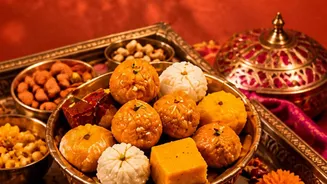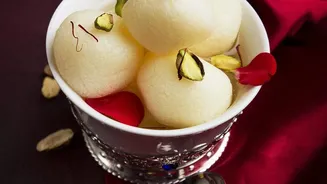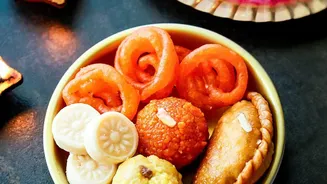


A Sweet with Divine Origins
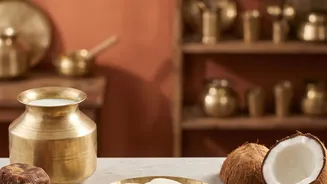
The story of the peda is inseparable from Mathura, the city revered as the birthplace of Lord Krishna. The region, known as Braj, has a culture steeped in dairy, celebrating Krishna's childhood love for milk, butter, and curd. This environment made it the perfect
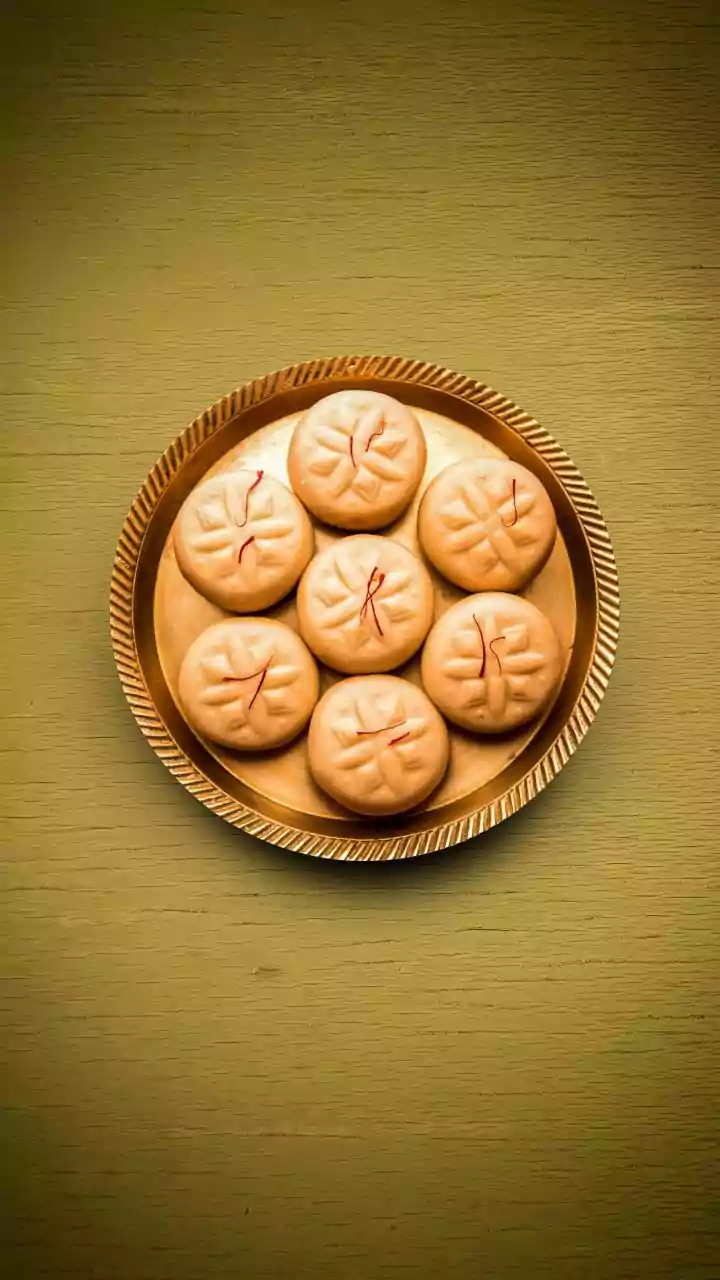
cradle for a milk-based sweet. While its exact origins are lost to oral tradition, the peda has been a central part of life here for centuries. It is the most common offering, or 'prasad', given to deities in local temples and shared among devotees, transforming it from a local delicacy into a sacred symbol of faith that travellers carry home with them.
The Soul of the Peda: Khoya
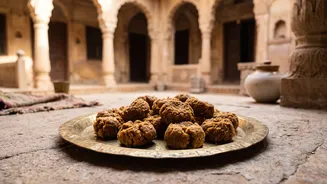
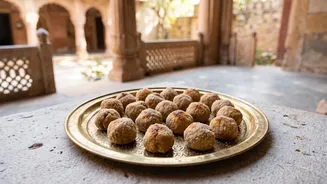
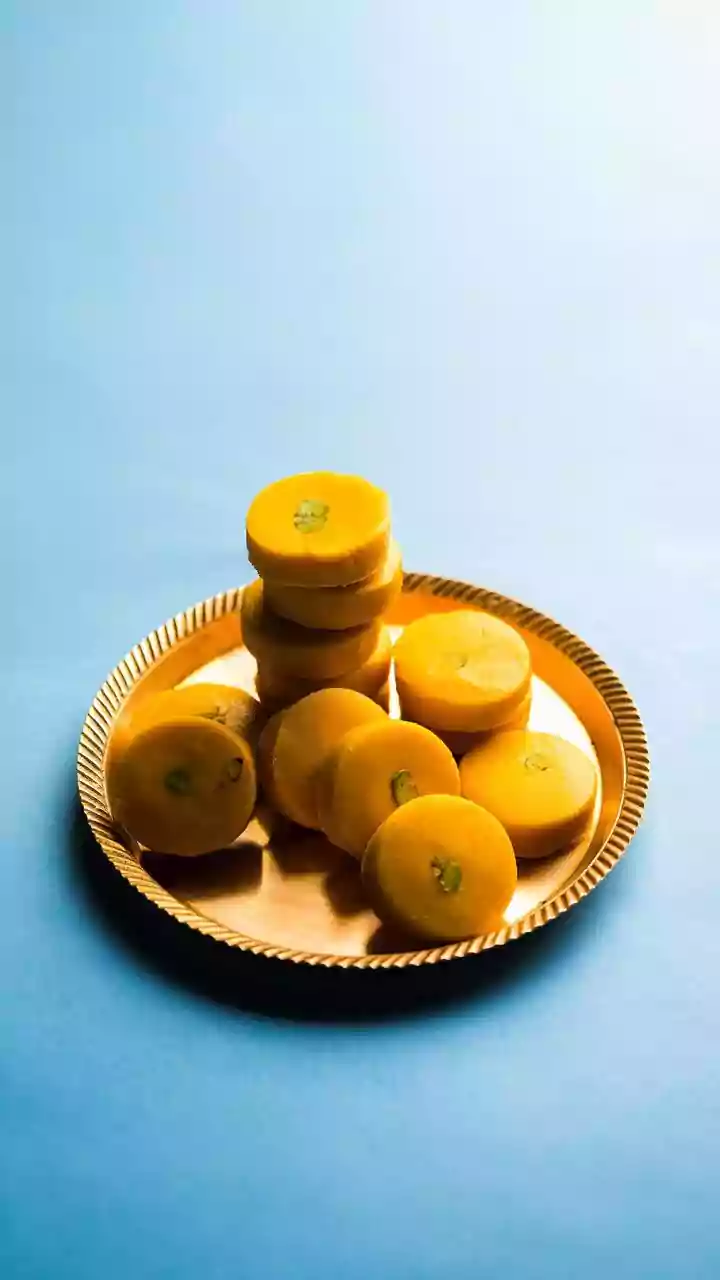
At the heart of every authentic Mathura peda is khoya, also known as mawa. This isn't just an ingredient; it's the result of a laborious process that defines the sweet's character. Traditional peda making starts with high-quality, full-fat milk, often from buffalos for extra richness. The milk is simmered for hours in a large, heavy-bottomed pan, requiring constant stirring to prevent scorching. This slow reduction evaporates the water, concentrating the milk solids into a thick, crumbly mass. What sets Mathura's version apart is the next step: the khoya is roasted until it turns a distinctive golden-brown and develops a rich, caramelised aroma and a slightly grainy texture. This patient cooking process is the secret to its deep, nutty flavour, a world away from softer, paler pedas found elsewhere.
The Perfect Partner: Bura Sugar
The second key to authentic Mathura peda is the type of sugar used. Traditionally, artisans don't use regular powdered sugar. Instead, they use 'tagar' or 'bura' sugar. Bura is made by boiling sugar syrup until it crystallises, then stirring it to create a fine, sandy, and porous texture. Unlike icing sugar, which can contain anti-caking agents and become pasty, bura has a unique consistency that blends perfectly with the roasted khoya without making it dense or overly sweet. This special sugar helps create the signature melt-in-the-mouth feel and slightly grainy bite that connoisseurs look for. The final step often involves rolling the shaped pedas in a light coating of bura, giving them their characteristic dusty appearance.
Guarding a Culinary Legacy
The term 'Mathura ka Peda' has become a brand in itself, a benchmark for quality that other sweets are measured against. This fame, however, brings challenges. The demand from millions of pilgrims and tourists has led to widespread commercialisation, and not all pedas sold under the city's name adhere to the time-honoured methods. Shortcuts, such as using milk powder instead of fresh milk or rushing the khoya roasting process, can compromise the authentic flavour and texture. For sweet makers who uphold tradition, their work is more than a business; it is a spiritual service, especially for those who supply the temples. They are the guardians of a culinary heritage, ensuring that each peda offers a genuine taste of Braj's history and devotion.