







For parents of children with asthma, deciding about face masks can feel confusing. You want to protect your child, but you also worry if a mask could make breathing harder. Let's clear up the confusion with what medical experts actually recommend.
The Overwhelming Medical Consensus
Leading
health organizations, including the American Academy of Pediatrics (AAP) and the Centers for Disease Control and Prevention (CDC), are clear on their guidance: with very few exceptions, children with asthma should wear masks in public settings where respiratory viruses are a concern. In fact, they are often encouraged to do so. This is because children with asthma can be at a higher risk for severe illness from respiratory infections, making prevention critically important. A mask provides a crucial barrier against inhaling viral particles that can trigger asthma flare-ups or lead to more serious complications.
Debunking the Biggest Fear: Do Masks Affect Breathing?
The primary worry for parents is that a mask will restrict their child's airflow, lower oxygen levels, or trap carbon dioxide. However, numerous studies have debunked this myth. Research presented at the American Academy of Allergy, Asthma and Immunology (AAAAI) annual meeting found that wearing a mask had no significant effect on oxygen saturation levels in either children or adults, including those with asthma. Even during low-to-moderate exercise, children's oxygen levels remained stable while masked. Standard cloth or surgical masks are made of breathable materials that allow air to pass through easily while still blocking respiratory droplets.
Why Protection is a Priority for Asthmatic Children
Viral infections are a major trigger for asthma exacerbations. Respiratory viruses like influenza, RSV, and others can cause inflammation in the airways, leading to coughing, wheezing, and difficulty breathing. For a child whose airways are already sensitive due to asthma, such an infection can be particularly dangerous. Therefore, health experts view masking not as a risk, but as a key protective measure. By reducing the chances of getting sick, a mask helps prevent the very events that could lead to a severe asthma attack and potential hospitalization. The benefits of avoiding a viral trigger far outweigh any perceived discomfort from wearing a mask.
The Importance of Well-Controlled Asthma
Experts note that a child whose asthma is well_controlled should be able to tolerate a mask without issue. If a child feels like they have trouble breathing while wearing a mask, it might not be the mask itself but an indication that their underlying asthma is not being managed effectively. This makes it a crucial time to ensure your child is consistently taking their prescribed controller medications, such as inhaled steroids. Adhering to the child's asthma action plan, developed with a pediatrician, is the best way to keep their lungs healthy and resilient, making activities like wearing a mask manageable.
Choosing the Right Mask and Making it Work
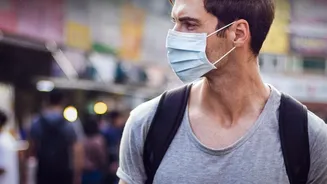
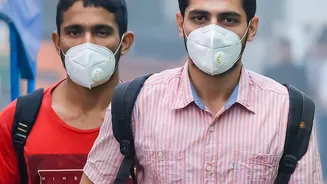
The best mask is one that fits well and is comfortable enough for your child to wear consistently. For general use, a multi_layered cloth mask or a disposable surgical_style mask is effective. Masks with exhalation valves or vents should be avoided, as they do not prevent the wearer from spreading germs. To help a child adjust, let them practice wearing a mask for short periods at home. Modeling mask_wearing yourself can also encourage them. If your child is still struggling, try different styles or materials to find one they prefer. The goal is a snug fit that covers the nose and mouth and is secure under the chin.
Are There Any Real Exceptions?
There are very few legitimate medical exemptions for mask_wearing. The CDC and other health bodies advise that masks should not be placed on children under the age of 2, anyone who is unconscious, or anyone who is physically unable to remove a mask without assistance. The 'trouble breathing' exemption is meant for acute situations, like a person actively having a severe asthma attack, not for chronic conditions like well_managed asthma. For the vast majority of children with asthma, masking is not only safe but strongly recommended for their own protection.