

A Tradition's Unseen Footprint
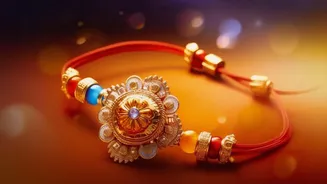
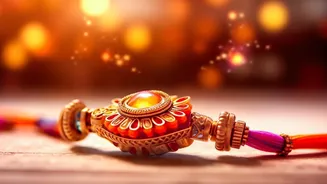
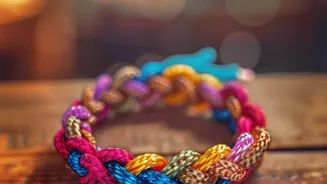
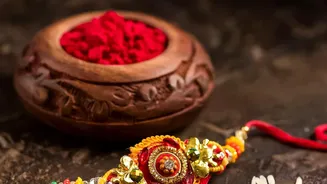
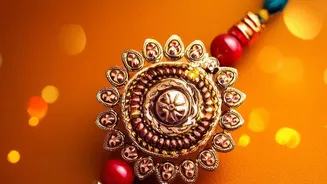
Every year, millions of rakhis are tied, celebrating the bond between siblings. It's a day of joy, family, and beautiful rituals. However, once the festivities conclude, a less beautiful reality emerges. The majority of commercially available rakhis are made
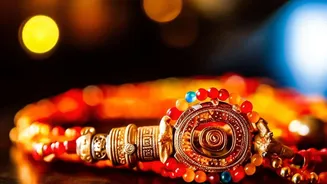
from non-biodegradable materials. Think plastic beads, synthetic threads like nylon or polyester, glitter, and foil, all of which can take hundreds of years to break down. When discarded, they often end up in landfills or pollute water bodies, contributing to an enormous amount of festive waste. This environmental cost stands in stark contrast to the pure sentiment of the festival, prompting a new generation to seek alternatives that honour both their relationships and the planet.
The Rise of the Plantable Rakhi
Enter the sustainable or plantable seed rakhi, an innovative and thoughtful solution that is rapidly gaining popularity across India. At its core, a plantable rakhi is handmade from entirely biodegradable materials. The thread is typically crafted from natural fibres like cotton or jute, and the centrepiece, instead of being plastic, is made from recycled paper pulp or clay. What makes it truly special is that this centrepiece is embedded with seeds of flowers, herbs, or vegetables. Commonly used seeds include marigold, tulsi (holy basil), tomato, and coriander, chosen because they are easy to grow and sprout relatively quickly. This simple yet brilliant concept transforms the rakhi from a single-day accessory into a gift of life.
From Wrist to Garden: A Bond That Grows
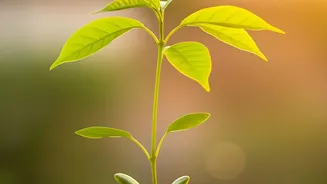
The magic of a seed rakhi unfolds after the festival is over. Instead of being thrown away, the entire rakhi can be planted. The process is simple: soak the seed-embedded part, place it in a pot with soil, cover it lightly, and water it regularly. Within a few weeks, the seeds germinate, and a new plant begins to grow. The symbolism is powerful and deeply resonant. The rakhi, a token of a sibling's love and protection, doesn't just fade away; it transforms and grows, serving as a living, breathing reminder of that special bond. Every time the plant is watered or a new leaf unfurls, it reconnects siblings to the memory of their shared celebration, extending the spirit of Raksha Bandhan throughout the year.
More Than a Rakhi, It's a Mindset
The popularity of plantable rakhis is not an isolated trend. It reflects a broader, more significant shift in cultural and consumer attitudes in India. There's a growing desire, particularly among younger generations, to align traditional practices with modern values like environmental responsibility. People are actively seeking ways to celebrate festivals in a more mindful and less wasteful manner. This movement includes everything from using clay Ganesha idols for Ganesh Chaturthi to embracing natural colours for Holi. By choosing a plantable rakhi, individuals are making a conscious statement. They are participating in a tradition that is not only culturally rich but also ecologically responsible, supporting artisans and small businesses that prioritise sustainability.