








More Than Just Stretching
When we talk about recovery, the first thing that often comes to mind is static stretching—holding a pose for 30 seconds to lengthen a muscle. But mobility training is different. It focuses on actively moving your joints through their full range of motion.
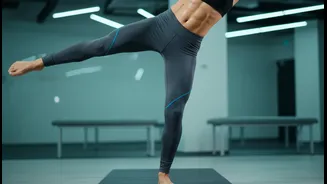
Think less about passively pulling on a muscle and more about actively controlling it. Examples include gentle movements like leg swings, hip circles, or cat-cow stretches. While stretching improves flexibility (the muscle's ability to lengthen), mobility enhances how your joints and muscles work together for efficient, pain-free movement.
The Science of Smart Recovery
Intense exercise creates microscopic tears in your muscle fibers, leading to inflammation and that familiar next-day soreness. In the past, the go-to solution was complete rest. However, science now shows that gentle, low-intensity movement—often called active recovery—is more effective. Light mobility drills increase blood circulation, which helps deliver oxygen and nutrients to your tired muscles. This enhanced blood flow also helps flush out metabolic waste products that accumulate during exercise, a process which can speed up tissue repair and reduce soreness. It’s a proactive approach that helps your body heal itself more efficiently than simply sitting on the couch.
Reducing Stiffness and Preventing Injury
One of the biggest benefits of a post-workout mobility routine is its effect on muscle stiffness and injury prevention. When joints are able to move through their intended range, the body is less likely to compensate with awkward movements that can lead to strains or overuse injuries. Consistent mobility work improves the interaction between your muscles, tendons, and nervous system, leading to better coordination and stability. This ensures that stress is distributed correctly across your body during future workouts, making you more resilient and less prone to injury in the long run.
How to Incorporate Light Mobility
Integrating light mobility into your routine is simple. The goal is low-intensity movement, so these drills shouldn't feel strenuous. You can perform them as part of your cool-down immediately after a workout, or on dedicated rest days. A 10- to 15-minute session is often all you need. Focus on foundational movements that target major joints.
- For Hips: Try hip circles, 90/90 rotations, or gentle rocking in a deep squat.
- For Spine: Cat-cow stretches and thread-the-needle are excellent for spinal mobility.
- For Shoulders: Perform controlled arm circles or wall slides to improve shoulder range of motion.
The key is to move gently and without pain. These drills are meant to restore movement, not push your limits.