







What Is Flexible Monsoon Travel?
Flexible travel is a shift away from rigid, pre-planned vacations. For the monsoon season, this means embracing spontaneity. Travellers are now booking trips just days or a week in advance, opting for shorter 2-3 day getaways, and choosing accommodation
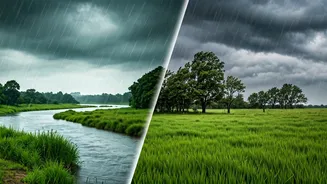
with lenient cancellation policies. This approach allows them to adapt to weather forecasts and take advantage of last-minute deals on flights and hotels, which often see price drops during these months. The trend is driven by a desire to experience the lush beauty of the rains without the peak-season crowds, turning a traditionally slow period into a dynamic travel window.
The Rise of the Monsoon 'Workation'
A major driver of this new flexibility is the continuing acceptance of remote and hybrid work models. Professionals are swapping their city apartments for homestays and resorts in scenic locations, combining work with leisure. This 'workation' trend allows people to escape urban slush for the serene, rain-washed hills of Coorg or the tranquil backwaters of Kerala without taking time off. All that's needed is a stable internet connection. As a result, destinations that were once purely for vacation are now becoming temporary workplaces, fueling travel demand from July to September.
Top Destinations for a Spontaneous Trip
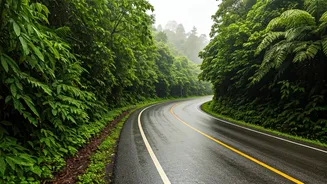
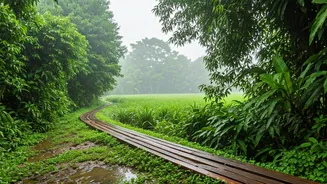
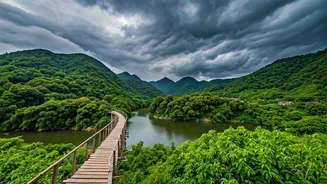
The destinations of choice for flexible monsoon travel are often those that come alive in the rain. The Western Ghats are a clear favourite, with hill stations like Lonavala, Mahabaleshwar, and Coorg turning into misty, green wonderlands. The powerful waterfalls and vibrant coffee plantations in these areas are a major draw. In Kerala, Munnar’s tea gardens look surreal under the monsoon fog, while Wayanad offers dense forests and immersive nature stays. For those who prefer to escape the rain, a 'rain shadow' region like Spiti Valley in Himachal Pradesh remains dry and accessible, offering a completely different kind of adventure. Even Goa takes on a quieter, more relaxed character that appeals to travellers looking to avoid the usual party crowds.
How to Plan Your Flexible Getaway
Making a flexible monsoon trip successful requires a bit of smart planning. Firstly, prioritise safety by checking weather advisories from the India Meteorological Department (IMD) before and during your trip, especially if you're driving into the hills. Secondly, lean on technology. Use travel aggregators to find last-minute deals and filter for properties with free cancellation. Booking flights and hotels separately, rather than as a fixed package, can also offer more freedom to change plans. Pack light but smart: include quick-dry clothing, waterproof bags for electronics, and sturdy footwear. Finally, build a buffer day into your itinerary. Monsoon travel is about slowing down and enjoying the view, even if it means an unexpected delay.
The New 'Shoulder Season'
This trend signifies a deeper change in Indian travel habits, where personal experience is becoming more important than following traditional seasonal calendars. Travellers are increasingly seeking unique experiences like wellness retreats in Rishikesh or cultural immersion in Udaipur, regardless of the season. The monsoon is no longer just a season to be endured but an opportunity to be embraced. The combination of post-pandemic pent-up demand, flexible work arrangements, and attractive off-season pricing has effectively turned the rainy months into a new 'shoulder season' for domestic tourism. This shift benefits not only travellers but also local economies that once saw a significant dip in business during this time.