




From Packets to Plates
The journey for many Indian food products abroad has traditionally ended on a supermarket shelf. But a significant strategic shift is underway. Legacy brands, long associated with the colourful packets of namkeen and boxes of mithai that define Indian snacking,
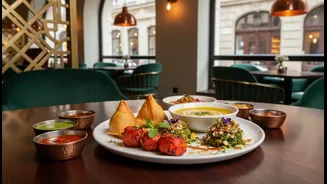
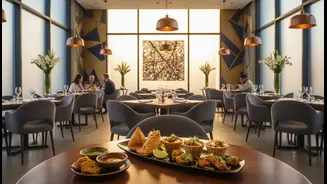
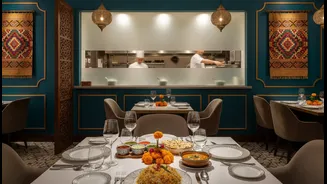
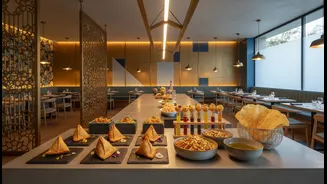
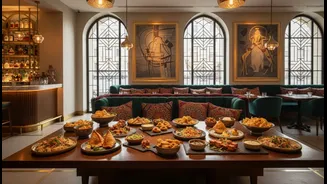
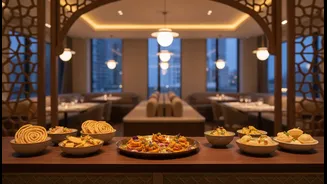
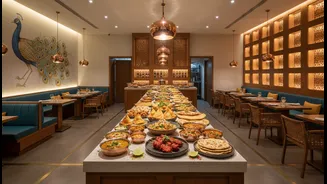
are moving into the demanding world of hospitality. They are transitioning from being products you buy to experiences you can dine in. The most prominent recent example is Haldiram's, a household name since 1937, which opened its first full-service restaurant in the UK in June 2026. Located in London's bustling Leicester Square, the 120-seat establishment is a move into premium casual dining, a world away from the brand's quick-service outlets in India. This follows the path of competitor Bikanervala, which launched its first London restaurant in Hounslow in mid-2025, serving everything from street food to complete meals to eager crowds.
The Strategy Behind the Samosa
Why would a successful snack manufacturer take on the high costs and operational complexities of running restaurants in expensive European cities? The answer lies in ambition, brand control, and a changing global palate. Operating a restaurant allows a brand to curate the entire customer journey, presenting its culinary heritage in a controlled, high-quality environment. It’s an opportunity to build a deeper connection with two key audiences: the large Indian diaspora craving an authentic taste of home, and a growing number of curious European diners eager to explore cuisine beyond the standard curry house. Rhea Agarwal, a third-generation member of the Haldiram's family leading its European expansion, has emphasized the goal is to sell an "experience, not just food." A flagship restaurant also creates a powerful 'halo effect', elevating the status of the brand’s retail products and driving sales across the board.
A Taste of Modern, Authentic India
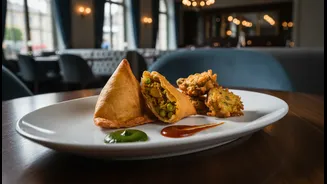
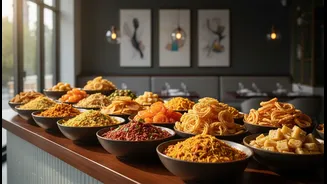
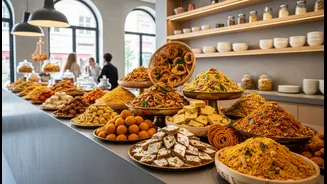
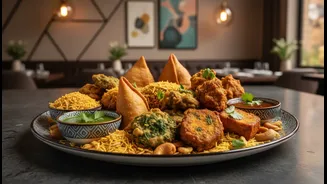
The menus at these new establishments are a deliberate departure from the anglicised fare often found abroad. Instead of a generic list of curries, the focus is on regional specialities and the vibrant chaos of Indian street food. Dishes like choley bhature, pao bhaji, and raj kachori are front and centre, intended to evoke nostalgia and offer an authentic taste. Bikanervala's London outlet, for instance, offers an extensive selection of chaat, South Indian dosas, and traditional sweets like rasmalai alongside full meals. This culinary strategy aims to educate a wider audience about the sheer diversity of Indian food. While authenticity is key, there are also clever nods to the local market. Haldiram's London menu, for example, features fusion desserts created specifically for a British audience, demonstrating a balance between tradition and adaptation.
A New Frontier with Familiar Challenges
The expansion is not without its hurdles. These brands face the challenge of navigating complex European regulations, managing international supply chains to ensure ingredient quality, and adapting to local labour markets. They must also compete in a crowded hospitality sector, not just with established local restaurants but with other Indian brands who share the same global ambitions. While not opening full restaurants yet, snack giant Bikaji Foods is also making moves, investing heavily in a new subsidiary in 2026 to enter the quick-service restaurant (QSR) and cafe space, signaling a wider industry trend. For Haldiram's, the London opening is just the start, with plans being considered for further restaurants in Germany, France, and Portugal. Success will depend on striking a delicate balance: maintaining the authentic flavours that define their brand while remaining agile enough to meet the operational demands of a new continent.