
Embrace the Transformer Mentality
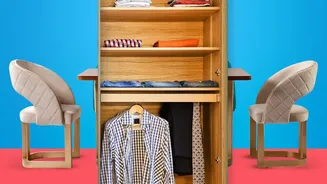
The first rule of co-living decor is that every piece should work at least twice as hard. Think beyond single-use items. A sofa is no longer just a sofa; it's a sofa-cum-bed, ready for overnight guests or a roommate's visiting family. A coffee table can
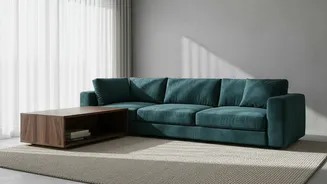
have a lift-top that transforms it into a personal workstation or a dining surface. Ottomans and benches shouldn't just be for putting your feet up; they should have hidden storage inside to stash away blankets, magazines, or that collection of board games, keeping common areas clutter-free. This approach doesn't just save space; it provides the flexibility that shared living demands.
Create Zones without Walls
In a shared space, creating a sense of personal territory is crucial for harmony. You don't need to build walls to create division. Area rugs are one of the most powerful tools for this, visually separating the living area from a dining nook or a workspace. A well-placed rug anchors the furniture in a specific zone, creating an invisible boundary. Another excellent strategy is using open-back shelving units as permeable dividers. They create a sense of separation and provide much-needed storage and display space without blocking light or making the room feel closed off. Arranging furniture strategically, like floating a sofa in the middle of the room with a console table behind it, can also effectively partition a large, open room into more intimate, functional zones.
Go Vertical for Storage
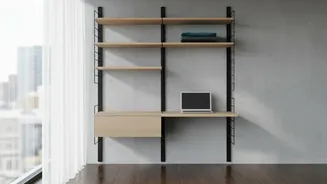
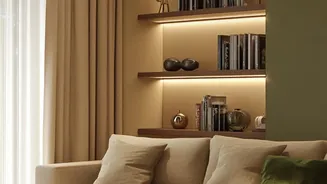
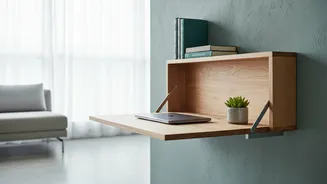
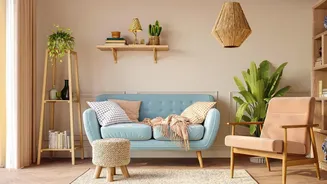
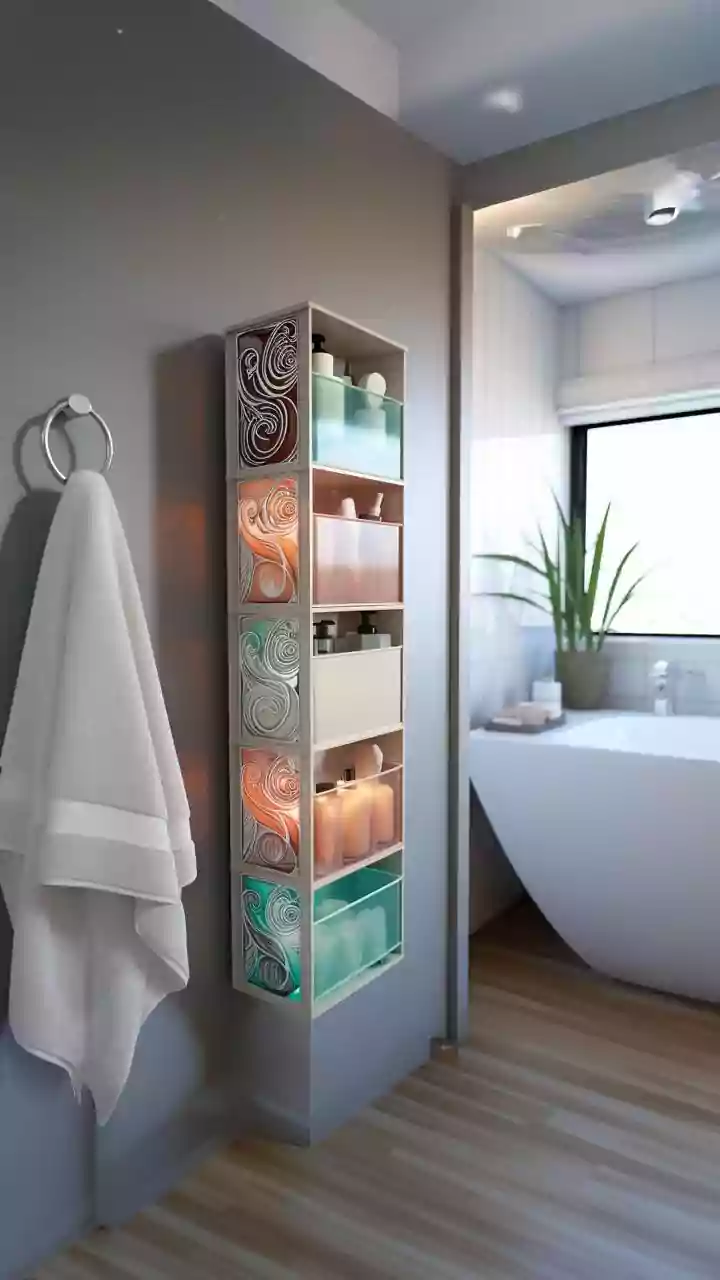
When floor space is at a premium, the only way to go is up. Vertical storage is a non-negotiable for small, shared apartments. Think tall, narrow bookcases that draw the eye upward and offer ample shelving. Wall-mounted shelves are another hero, perfect for books, plants, or decorative items, freeing up floor space from bulky furniture. In the bedroom, a loft bed can be a game-changer, lifting your sleeping area to create a dedicated study or lounge space underneath. Similarly, wall-mounted study tables or fold-down desks can provide a functional workspace without permanently occupying a chunk of your room.
Invest in Furniture That Moves
Flexibility is key. Furniture on castors or wheels allows you to reconfigure a space in minutes. A kitchen island on wheels can serve as a prep station, a breakfast bar, or be pushed aside to create more room for a gathering. Nesting tables are another brilliant invention; they provide multiple surfaces when you need them and tuck away neatly into a single footprint when you don't. This kind of mobile, adaptable furniture empowers you and your flatmates to change the layout based on your needs, whether it's for a party, a movie night, or just a quiet evening in.
Use Light and Mirrors to Expand
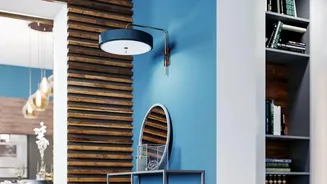
While you can't physically enlarge your apartment, you can create the illusion of more space. Mirrors are a classic trick for a reason; a large mirror on a wall can visually double the size of a room and reflect light, making it feel brighter and more open. Your choice of lighting also matters immensely. Instead of relying on a single overhead light, use a combination of floor lamps, table lamps, and even subtle string lights to create a warm, inviting atmosphere. Opting for lighter paint colours like beige, cream, or light grey on the walls will also make the entire apartment feel more airy and spacious.