



Your Backpack Isn't as Waterproof as You Think
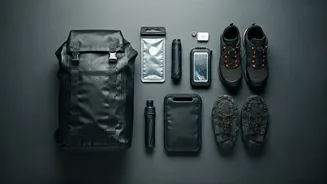
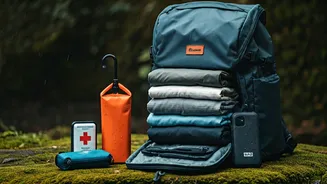
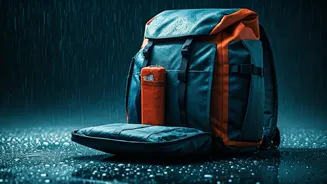
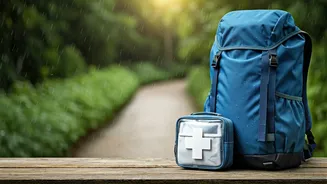
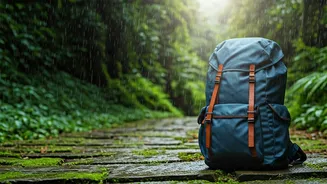
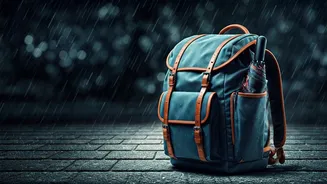
Many modern backpacks are labelled 'water-resistant', a term that can be dangerously misleading. This resistance might hold up against a light drizzle or an accidental splash, but it stands no chance against the relentless, driving rain of an Indian monsoon.
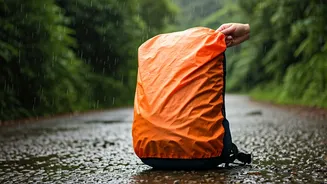
The seams, zippers, and fabric of most bags will eventually leak after prolonged exposure. A waterproof cover, typically made of polyurethane-coated nylon or polyester, acts as an impermeable shield. It's the difference between your clothes being slightly damp and finding them floating in a puddle at the bottom of your bag.
It Fights the Invisible Enemy: Humidity
The battle during monsoon isn't just against falling water; it's against the oppressive humidity that seeps into everything. Even if your bag doesn’t get directly rained on, the moisture in the air can make your clothes, books, and documents feel clammy and smell musty. A good rain cover helps create a drier microclimate around your backpack, significantly reducing the amount of ambient moisture that gets in. This prevents the growth of mildew and mould, which can ruin fabrics and electronics long after your trip is over. You arrive at your destination with fresh-smelling clothes, not a bag full of damp regrets.
A Lifesaver for Your Electronics
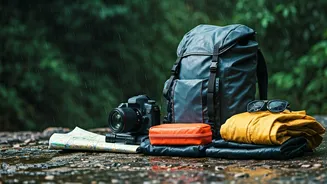
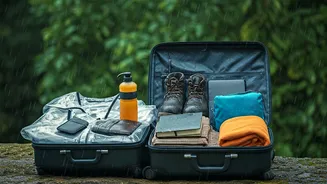
In today's world, our backpacks are mobile tech hubs. We carry laptops, cameras, power banks, and smartphones that are essential for navigation, work, and capturing memories. Most of these items are extremely vulnerable to water damage. While you might have a separate sleeve for your laptop, a comprehensive soaking can easily bypass that single layer of protection. A backpack cover is the first and most important line of defence, providing a robust barrier that keeps thousands of rupees worth of electronics safe from a catastrophic failure. Think of it as cheap insurance for your most expensive gear.
Protection from Mud, Grime, and Road Spray
A monsoon road trip, especially on a motorcycle or in an open-sided jeep, isn't a clean affair. You’re not just dealing with rain from above, but also with a constant barrage of mud and dirty water sprayed up by your own wheels and passing trucks. This grimy mixture cakes onto every exposed surface. A rain cover takes the hit, keeping your expensive backpack clean. At the end of the day, it’s far easier to remove the cover and rinse it under a tap than it is to undertake the complex, time-consuming task of deep-cleaning a modern trekking or touring backpack with its many straps and compartments.
It Doubles as a Safety and Security Feature
This is a benefit many people overlook. Most rain covers come in bright, high-visibility colours like neon green, orange, or yellow. In the low light and poor visibility typical of a heavy downpour, this splash of colour makes you significantly more visible to other vehicles on the road, reducing the risk of accidents. Furthermore, a cover adds an extra layer of complexity for any would-be thief. It conceals the brand and zippers of your bag, and opening it is an extra step that might just deter an opportunistic snatch-and-grab attempt in a crowded place.
Choosing the Right Cover for Your Trip
When buying a cover, don't just grab the cheapest one. Look for a few key features. Ensure it's the right size for your backpack's volume (measured in litres). A cover that's too small won't offer full protection, and one that's too big will flap in the wind and collect water. Opt for 'ripstop' fabric for durability and a high 'PU rating' for better waterproofing. A strong, fully elasticated hem ensures a snug fit, while some premium covers also include an adjustable strap that clips around the bag for extra security at high speeds. A small drain hole at the bottom is another excellent feature, allowing any water that does get in to escape.