


Grooming: Your First Line of Defence
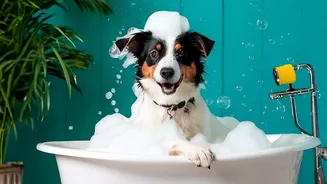
High humidity means moisture gets trapped in your pet’s coat, creating an ideal environment for fungal and bacterial skin infections, often called 'hot spots'. The most critical step is to keep your pet as dry as possible. After every walk, even if it wasn't
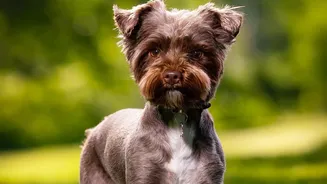
raining, thoroughly towel-dry their coat, paying special attention to the underbelly, skin folds, and ears. For pets with long or thick fur, consider keeping their coat trimmed shorter during this season to improve air circulation and allow the skin to dry faster. Daily brushing is also essential to remove loose fur and prevent matting, which can trap moisture against the skin.
Paw Care is Non-Negotiable
Your pet's paws are in constant contact with wet, muddy surfaces, making them highly susceptible to infections. The damp spaces between their toes are a prime spot for yeast to grow, leading to irritation and constant licking. Make post-walk paw cleaning a non-negotiable ritual. Wipe paws with a clean, dry cloth or pet-safe wipes after coming inside. For a deeper clean, you can rinse them with lukewarm water and dry them completely. Keeping the hair between the paw pads trimmed short can also prevent mud and moisture from getting trapped.
Adjusting Their Diet for Damp Days
Just like us, pets can experience changes in appetite and digestion during humid weather. High humidity can sometimes lead to a decreased appetite as the body works harder to stay cool. It may be beneficial to offer lighter meals that are easy to digest. Hydration is crucial, so ensure they always have access to fresh, clean drinking water. Never let your pet drink from puddles or stagnant water, which can be full of harmful bacteria and parasites leading to diseases like leptospirosis. To avoid stomach upsets, do not leave wet or home-cooked food out for long, as it can spoil quickly in damp conditions.
Beating the Indoor Blues
Fewer walks and outdoor playtime can lead to boredom and pent-up energy. The solution is indoor enrichment. Mental stimulation can be just as tiring as physical exercise. Engage your pet with puzzle feeders, treat-dispensing toys, or a snuffle mat to encourage their problem-solving skills. A simple game of hide-and-seek with their favourite treats can keep their mind and nose engaged. You can also use this indoor time for short, fun training sessions to teach them new tricks or reinforce commands. For energetic dogs, a gentle game of indoor fetch with a soft toy or tug-of-war can help burn off excess energy safely.
Creating a Dry and Comfortable Home
Managing your home's environment is just as important as grooming. Ensure your pet's bedding is kept clean and, most importantly, dry. Consider raising their bed off a cold, damp floor. Wash their bedding frequently in hot water to prevent the growth of fungus and bacteria. Good ventilation throughout your home can help reduce overall indoor humidity. If you live in a particularly humid area like a coastal city, using a dehumidifier can make a significant difference for both you and your pet. Regularly clean and disinfect their toys as well.
Know the Warning Signs
Vigilance is key to catching problems early. Keep an eye out for signs of skin trouble, such as excessive scratching, redness, a musty odour, or greasy-feeling fur. Constant licking or chewing of paws is a red flag for irritation. Also watch for changes in behaviour, like lethargy or a persistent loss of appetite, which could indicate a digestive issue or other illness. Ear infections are also common in humid weather, so look for head shaking, scratching at the ears, or any discharge or odour. If you notice any of these signs, it's best to consult your veterinarian promptly.