


Saturn Builds Towards Its Peak
The main event for planet-watchers this month is the growing brilliance of Saturn. The ringed planet is heading towards its opposition on October 4, which is when it will be at its biggest and brightest for the year. For Indian observers, late August
is the perfect time to start tracking it. As soon as the sun sets, look towards the eastern sky. Saturn will rise and remain visible all night long, appearing as a steady, bright, yellowish point of light in the constellation Cetus. While its famous rings require a telescope, its majestic presence is easily appreciated with the naked eye. The planet will be an excellent target throughout the remainder of August and into September, offering fantastic views as it climbs higher in the sky each evening.
Catch a Glimpse of the Morning Planets
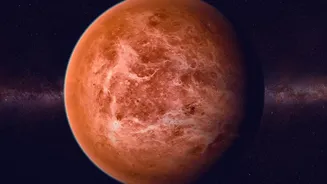
While Saturn dominates the evening, early risers have their own treats. Mars is a noticeable pre-dawn object, appearing in the eastern sky. Jupiter is also in the morning sky but can be challenging to spot as it sits very low on the horizon in the bright twilight. Your best chance requires a clear, unobstructed eastern view about 30 minutes before sunrise. Venus, meanwhile, is a brilliant object in the western evening sky, shining brightly after sunset.
The Fading Echoes of the Perseids
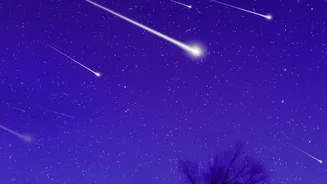
The peak of the Perseid meteor shower was a major highlight around August 12-13, benefiting from a new moon that created perfect dark-sky conditions. The shower officially runs until early September, so while the peak has passed, you might still catch a few stray 'shooting stars' in the late hours of the night. The best time to look is after midnight, facing the northeast towards the constellation Perseus. While the rates will be much lower than the peak, the chance to see a bright meteor streak across a rain-washed monsoon sky remains a magical possibility.
A Partial Lunar Eclipse (Not For India)
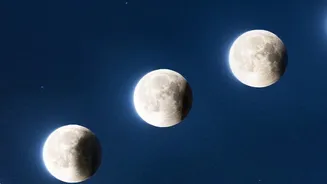
Skywatchers may have seen news about a partial lunar eclipse on August 27-28. It's important to note that this event will not be visible from India. The eclipse will occur when the Moon is below the horizon for observers across the country. Visibility is centered over the Americas, Europe, and Africa. While it's a significant event elsewhere, Indian stargazers will see a regular full moon during that time, which will unfortunately brighten the night sky and make it harder to see fainter stars.
Tips for Your Late-August Skywatch
To make the most of the remaining nights, try to get away from city lights. Even a short drive out of town can dramatically increase the number of stars you can see. The end of August brings darker, moonless nights after the full moon on the 27th-28th passes, which is ideal for stargazing. Allow your eyes about 20-30 minutes to fully adapt to the darkness; avoid looking at your phone screen during this time. For identifying constellations, the Summer Triangle, made of the bright stars Vega, Deneb, and Altair, will still be high in the sky. Look to the east for the Great Square of Pegasus, a sign of the approaching autumn skies. Stargazing apps on your smartphone can be a great help in identifying planets and constellations in real-time.