







What Are Portable Solar Panels?
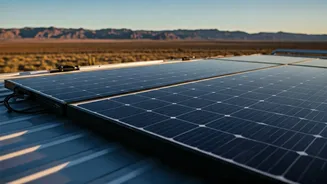
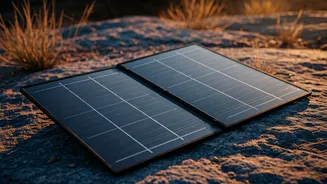
Think of them as your personal, pocket-sized power plant. Lightweight portable solar panels are foldable arrays of photovoltaic cells designed to capture sunlight and convert it into electricity. Unlike the heavy, rigid panels on rooftops, these are built
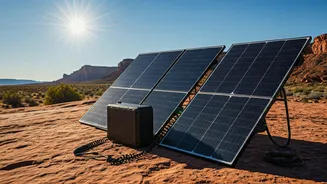
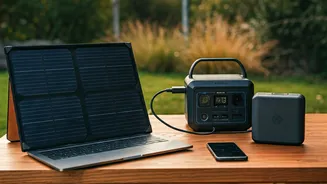
for travel. They are typically encased in durable fabric, can be folded down to the size of a laptop or tablet, and are light enough to carry in a backpack. Most come equipped with built-in USB ports (USB-A, USB-C) or DC outputs, allowing you to directly charge your devices—like smartphones, power banks, GPS units, and even larger portable power stations—using nothing but the sun.
The Freedom of Off-Grid Power
The true value of a portable solar panel isn’t just about technology; it’s about freedom. For road trippers, campers, and trekkers, it means no longer being tethered to hotels, cafes, or car chargers. You can spend an extra day at a secluded campsite in the Western Ghats or work remotely from a scenic viewpoint in Ladakh without worrying about your laptop dying. It provides a crucial layer of safety, ensuring your communication and navigation devices remain powered in areas with no electricity. For digital nomads and content creators, it transforms any sunlit spot into a potential office, enabling a truly flexible lifestyle.
Key Features to Look For
When choosing a panel, it’s easy to get lost in technical jargon. Focus on these four key areas: 1. **Wattage (Power Output):** Measured in watts (W), this tells you how much power the panel can generate under ideal sunny conditions. A small 10-20W panel is great for slowly charging a phone or power bank. A larger 50-100W panel can charge multiple devices, including laptops and larger battery packs, much more efficiently. 2. **Portability (Size and Weight):** The ideal panel strikes a balance between power and portability. For backpacking, a lighter panel under 1 kg is essential. For car camping or van life, you can afford a heavier, more powerful model. Check the folded dimensions to ensure it fits your pack. 3. **Durability and Weather Resistance:** Your panel will face the elements. Look for rugged materials like ETFE lamination, which is more durable and UV-resistant than the more common PET. An IP rating (e.g., IP65) indicates its resistance to dust and water, a crucial feature for India’s diverse climates. 4. **Connectivity:** Ensure the panel has the ports you need. Modern panels should have at least one USB-C port for faster charging and a standard USB-A port. Some larger panels include a DC output to connect directly to portable power stations.
Matching the Panel to Your Needs
The right panel depends entirely on what you need to charge. For a solo trekker primarily charging a smartphone and a GPS watch, a compact and lightweight 20-30W panel is more than sufficient. This setup ensures you stay connected and safe without adding significant weight to your pack. For a couple on a road trip who need to power two phones, a camera, and a large power bank, stepping up to a 50-60W panel is a wise move. It will charge devices faster and handle multiple gadgets at once. For digital nomads or families running laptops, drones, and a portable fridge from a power station, a 100W panel (or even two chained together) is the gold standard. This level of power generation can keep a medium-sized power station topped up, providing a sustainable off-grid electrical system for extended trips.
Tips for Maximum Efficiency
Owning a solar panel is one thing; using it effectively is another. To get the most out of your investment, always angle the panel directly towards the sun. Most panels perform best between 10 a.m. and 3 p.m. Propping it up with a backpack or using built-in kickstands can make a huge difference. Remember that clouds, haze, and even shadows from a single tree branch can significantly reduce output. It’s also more efficient to charge a power bank with the panel and then use the power bank to charge your devices later, as this provides a more stable and consistent charging current than direct-from-panel charging, which can fluctuate with the sun's intensity.