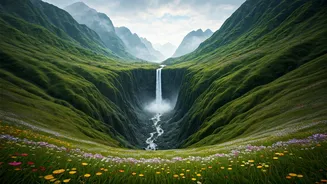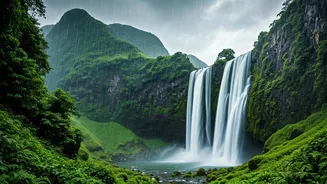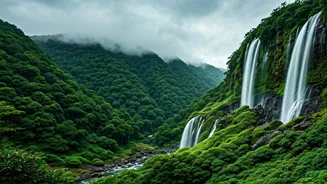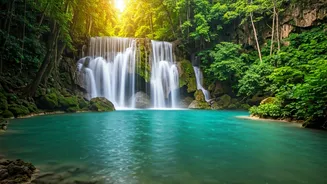




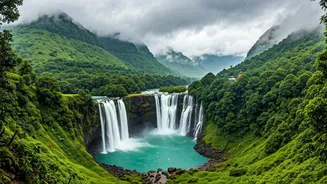


Dudhsagar Falls, Goa-Karnataka
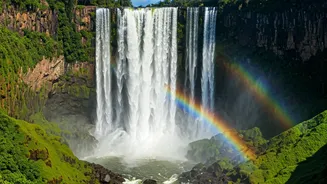
Living up to its name, which translates to "Sea of Milk," Dudhsagar Falls becomes a formidable, four-tiered torrent during the monsoon. Located on the Mandovi River on the border of Goa and Karnataka, the falls cascade from a height of over 310 meters.
The sight of the water gushing through the lush forests of the Bhagwan Mahaveer Sanctuary is truly spectacular. While jeep safaris to the base are often restricted during the peak rainy season for safety, the view from a passing train on the nearby railway bridge is iconic and highly sought after by photographers and travelers. The falls are at their most powerful between July and September, offering a dramatic display of nature's force. Trekking through the sanctuary is another popular way to experience this natural wonder, though it requires good physical stamina and caution on slippery trails.
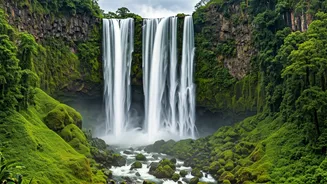
Jog Falls, Karnataka
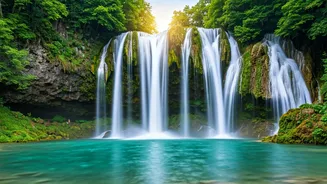
Recognised as one of India's tallest plunge waterfalls, Jog Falls is a sight to behold in July. The Sharavathi River drops an impressive 253 meters (830 feet) in four distinct cascades: Raja, Rani, Roarer, and Rocket. During the monsoon, these four streams merge into a single, powerful plunge, creating a thunderous roar that can be heard from a distance. While the winter offers a pleasant climate, the peak monsoon months of July through September are when the falls are at their most majestic and intense. Located in the Shimoga district, various viewpoints offer panoramic vistas, though they are often shrouded in mist, adding to the mystical atmosphere. For those seeking the full, thunderous experience, a monsoon visit is essential.
Athirappilly Falls, Kerala
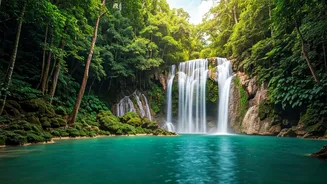
Often hailed as the "Niagara of India," Athirappilly Falls in Kerala transforms into a wide, powerful curtain of water during the monsoon. Cascading from a height of about 80 feet, its sheer volume and breadth are what make it so impressive. The falls are fed by the Chalakudy River and are situated amidst the verdant forests of the Western Ghats, a region rich in biodiversity. The monsoon season, from June to September, is considered the best time to witness its majestic flow, though authorities may regulate visitor entry for safety during periods of heavy rain. The experience is multisensory—the thunderous sound, the cool mist rising from the crashing water, and the lush greenery all around make it a quintessential monsoon destination.
Chitrakote Falls, Chhattisgarh
Known as India's widest waterfall, Chitrakote Falls on the Indravati River is a spectacle of immense scale. During the monsoon, it expands to nearly 300 meters, creating a magnificent horseshoe-shaped cascade that earns it the nickname "Niagara of India". The falls are at their peak between July and October, when the water, though muddy with silt, flows with incredible power. Located about 38 kilometers from Jagdalpur, the area around the falls offers multiple viewpoints. Local boatmen also provide rides at the base of the falls when conditions are safe, offering a thrilling, up-close perspective and a chance to feel the spray of the mighty cascade.
Nohkalikai Falls, Meghalaya
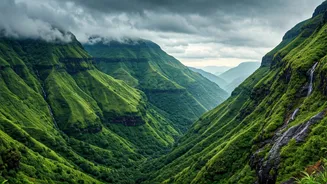
As India's tallest plunge waterfall, Nohkalikai Falls drops from a staggering height of 340 meters (1,115 feet) into a deep, turquoise-green pool. Located near Cherrapunji, one of the wettest places on earth, the falls are fed by rainwater and are incredibly powerful during the monsoon months of June to September. The surrounding cliffs and dense fog create a dramatic and mysterious setting. While the sheer volume of water is greatest in July and August, be prepared for heavy cloud cover that can sometimes obscure the view. Despite this, the breathtaking scale and the tragic legend associated with its name make Nohkalikai a must-see for any visitor to Meghalaya.