



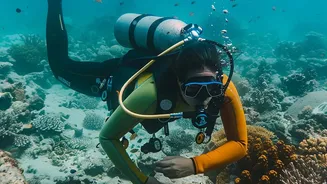
Why Lakshadweep Is a Beginner's Paradise
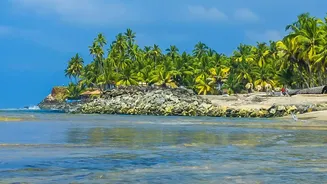
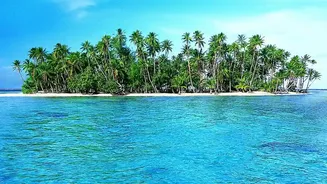
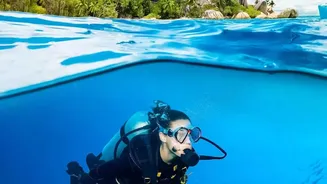
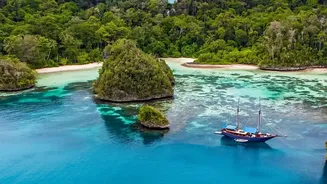
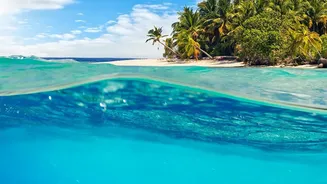
Lakshadweep is India's best-kept secret for underwater adventure, offering an experience that rivals international destinations. For beginners, it's particularly ideal. The islands are surrounded by vast, shallow lagoons with calm, current-free waters
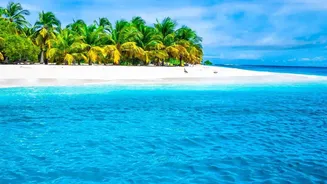
that act as natural swimming pools. This protected environment allows first-timers to build confidence without battling strong waves or currents. Visibility is another major factor; the water is so clear you can often see 20 to 40 meters ahead, reducing anxiety and making the experience more immersive. Unlike other crowded dive destinations, Lakshadweep’s regulated tourism ensures dive sites are pristine and you get personalised attention from instructors.
Autumn: The Golden Season to Dive
Planning your trip for autumn, specifically from October to November, is a brilliant move. This period marks the end of the monsoon season. The seas become calm, the skies clear up, and the underwater world bursts into life. Water temperatures are a comfortable 27-30°C, perfect for long dives without feeling cold. This post-monsoon window offers the best possible conditions: peak visibility, minimal rain, and thriving marine ecosystems ready for exploration. It's the sweet spot before the peak tourist rush, giving you a more serene experience.
Best Islands for Your First Plunge
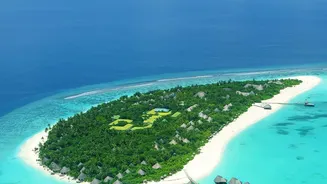
While Lakshadweep has many islands, only a few are open to tourists, and some are particularly suited for novices. Agatti Island is the gateway, as it has the only airport. Its gentle lagoons are perfect for initial training dives. Nearby, Bangaram Atoll, often called the “Jewel of Lakshadweep,” is an uninhabited paradise known for its stunning coral gardens and frequent turtle sightings in calm waters. Kadmat Island is another excellent choice, famous for its long, shallow lagoon and being home to one of India’s first scuba diving schools. All three islands host PADI-certified dive centres and offer environments where beginners can feel safe and amazed.
Getting Certified: Your Underwater Passport
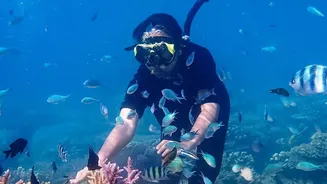
You don't need any experience to start. For a one-time experience, you can opt for the Discover Scuba Diving (DSD) program. It’s a half-day course where an instructor teaches you basic skills in shallow water before taking you on a guided dive, usually up to 12 meters. If you want to become a certified diver, the PADI Open Water Diver course is the global standard. This takes 3-4 days and involves theory, confined water training, and four open water dives. Upon completion, you'll be certified to dive up to 18 meters with a buddy anywhere in the world. Many dive centres in Agatti, Bangaram, and Kadmat offer these courses.
The Marine Life You'll Encounter
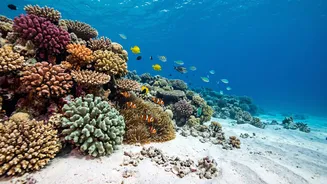
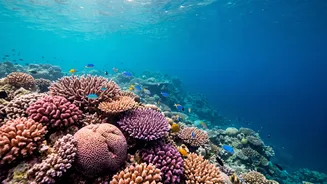
The real magic of diving is the life you'll see. Lakshadweep's coral reefs are teeming with biodiversity. As a beginner in the shallow lagoons and reefs, you're almost guaranteed to see vibrant parrotfish, clownfish hiding in anemones, elegant butterflyfish, and graceful green sea turtles. The coral itself is a spectacle, with gardens of branching corals, massive brain corals, and colourful soft corals. You might also spot moray eels peeking from crevices, schools of fusiliers, and maybe even a friendly stingray gliding along the sandy bottom.
Planning Your Trip: Permits and Travel
Getting to Lakshadweep requires some planning. All non-islanders need an entry permit. The good news is that as of 2026, the process has been simplified; you no longer need a local sponsor or a Police Clearance Certificate from your home state. You can apply for the ePermit online, but it's recommended to do so at least 14 days in advance. The only way to fly in is from Kochi to Agatti Island. From Agatti, speedboats or helicopters connect you to other islands like Bangaram and Kadmat. It's wise to book flights only after your permit is approved.
A Look at the Costs
A trip to Lakshadweep is a premium experience, but it’s more accessible than you might think. A Discover Scuba Dive can cost between ₹3,500 and ₹5,000. A full PADI Open Water certification course typically ranges from ₹25,000 to ₹40,000. Keep in mind other costs: flights from Kochi, accommodation (which can be limited and should be booked far in advance), the entry permit fee, and inter-island transfers. Many resorts and authorized travel agents offer packages that bundle accommodation, permits, and diving for a more streamlined experience.