
A Conscious Break from Fast Furniture
For years, setting up a new home often meant a trip to a big-box store for factory-made furniture and decor that was trendy, affordable, and ultimately, disposable. But a shift is underway, led by a generation of homeowners who value meaning over mass
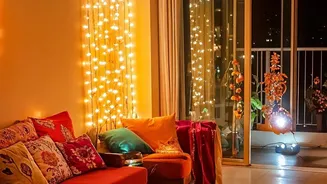
production. Gen Z, in particular, is rejecting the ‘fast furniture’ model in favour of pieces that tell a story and are built to last. This isn't just about aesthetics; it's a conscious choice rooted in a desire for authenticity and sustainability. Young Indians are increasingly seeking to furnish their spaces with items that reflect their values and heritage, creating homes that feel curated and personal rather than catalog-perfect. This has sparked a renewed appreciation for local artistry and craftsmanship, moving away from temporary trends towards timeless treasures.
The Sustainable Sheen of Brass
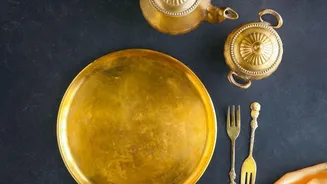
At the heart of this trend is brass, an alloy that perfectly aligns with modern environmental concerns. One of the most significant sustainability benefits of brass is its near-infinite recyclability. The metal can be melted down and repurposed again and again without losing any of its quality or structural integrity. This closed-loop potential is a cornerstone of the circular economy that environmentally-aware consumers champion. Furthermore, recycling brass is far more energy-efficient, saving a significant amount of the energy required to produce the metal from raw copper and zinc ores. Beyond its recyclability, brass is exceptionally durable and corrosion-resistant, ensuring that products have a very long lifespan. A handcrafted brass planter or lamp isn't something you'll replace in a few years; it’s an investment that can be passed down, gathering patina and character over time.
Timeless Designs for Modern Spaces
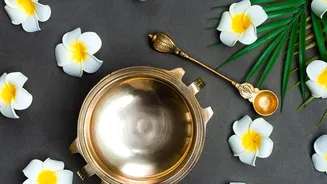
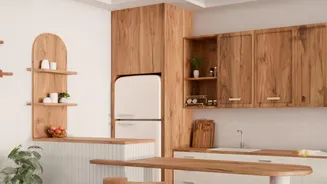
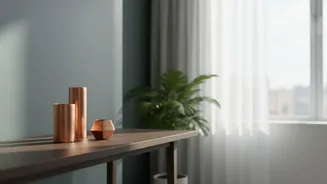
The concern that traditional handicrafts might look out of place in a contemporary apartment is fading fast. In fact, designers and homeowners are finding that the warmth of brass provides a perfect counterbalance to modern minimalism. The rich, golden tones of the metal can soften stark lines and add a touch of what designers call 'earthy luxury' to a room. A sculptural brass figurine on a clean-lined bookshelf, an ornate urli bowl filled with water and petals on a glass coffee table, or a set of hammered brass planters bringing nature indoors all serve as focal points that are both sophisticated and soulful. These pieces bridge the gap between old and new, proving that traditional Indian design has a versatile and enduring appeal that transcends generations and styles.
Connecting with Culture and Craft
Choosing a piece of brassware is about more than just decoration; it's about connection. Many of these items are handmade by artisans in hubs like Moradabad, famously known as the 'Brass City' of India. These craftspeople use techniques like lost-wax casting and hand-engraving that have been passed down for centuries. For many young homeowners, buying a handcrafted item is a way to support these artisan communities and preserve a vital part of India's cultural legacy. In a world of digital disconnection, owning a physical object with a rich history and a human touch offers a unique sense of grounding. Each piece, with its minor imperfections and unique character, tells a story of heritage, skill, and the hands that made it, adding a layer of authenticity that no machine can replicate.
Iconic Brass Pieces Making a Comeback
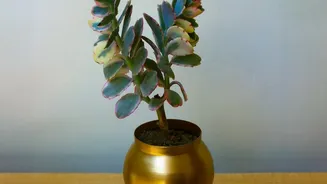
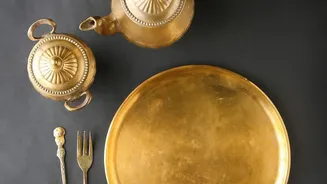
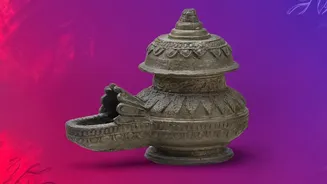
While the love for brass is broad, a few key items have become particularly popular in modern Indian homes. The 'urli', a traditional decorative bowl, is often used as a welcoming centrepiece in living rooms. Small, intricately designed brass diyas and T-light holders add a warm, festive glow to corners and tables. For those looking to make a statement, Dhokra figurines—created using a 4,000-year-old metal casting technique—offer sculptural beauty and a piece of tribal art history. Brass planters have also become a favourite, adding a touch of glamour to indoor plants. Finally, decorative wall hangings, from simple geometric plates to traditional motifs, are being used to bring texture and warmth to plain walls, turning them into a canvas for heritage.